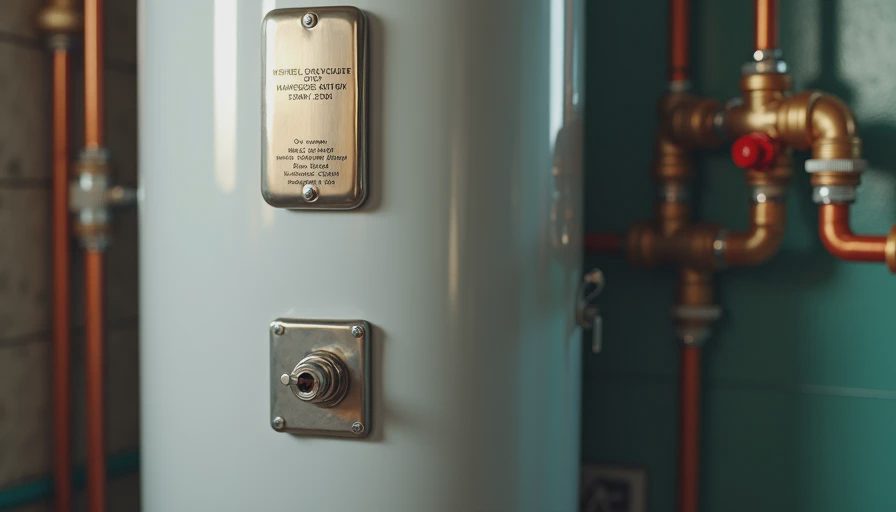
If there’s one appliance in your house that works hard and gets almost zero attention until it floods your basement or garage, it’s the water heater. I’ve seen too many claims where a 14-year-old tank quietly gave up at 2 a.m., turning a simple weekend into a $6,000 insurance headache.
After adjusting thousands of these claims and inspecting hundreds of homes, I can tell you this: your water heater has an expiration date. It’s printed right on the unit. Most homeowners never look. Today I’m showing you exactly how to read it, what the numbers mean in real life, and when it’s smarter to replace versus repair.
First, Find the Birth Certificate
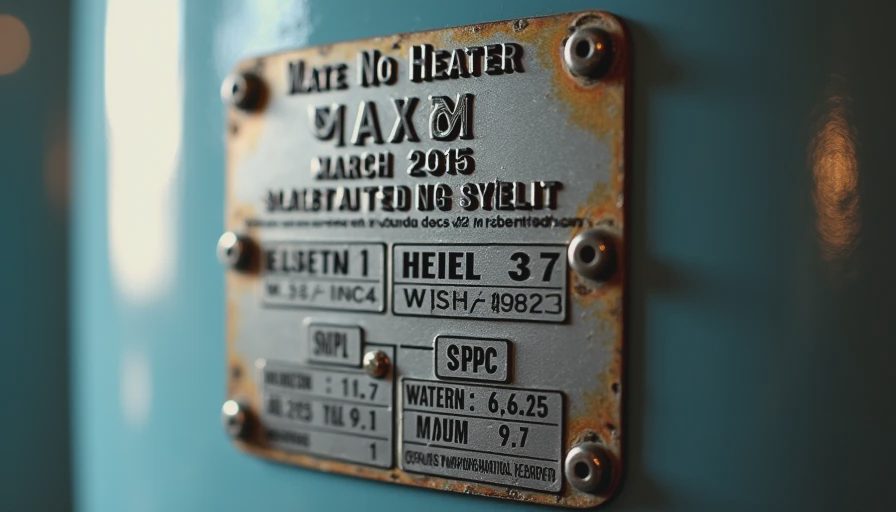
Every water heater has a metal data plate — usually on the front or side near the bottom. Look for a sticker or stamped plate that says “Manufacture Date,” “Serial Number,” or “MFG Date.”
Common formats:
First four digits of the serial number often represent year and week (e.g., 2312 = 23rd week of 2023).
Some brands spell it out clearly: “Manufactured: June 2018.”
My quick field trick: Take a photo of the plate with your phone right now. You’ll thank me later.
Typical manufacturer-rated life: 8–12 years for tank-style gas or electric. But real-world lifespan in Colorado? Often 10–15 years depending on water quality, maintenance, and usage.
The Warning Signs Your Water Heater Is Nearing Retirement
Don’t wait for the flood. Watch for these:
Age + Rumbling Noises: Sediment buildup sounds like a distant thunderstorm in your basement. Common after 8+ years.
Rust or Corrosion: Orange streaks on the tank or around connections.
Leaking: Even a slow drip around the pressure relief valve or base is a red flag.
Inconsistent Temperatures: Lukewarm showers when everyone’s home? The anode rod might be shot.
Higher Energy Bills: Old units work harder to heat the same water.
I once inspected a home where the water heater was 19 years old. The owner said, “It’s never given me trouble!” Two weeks later it failed catastrophically. The claim file was painful to read.
Repair vs. Replace: Running the Actual Numbers
Here’s the part most blogs skip — the math I used to do on claims desks.
Repair scenarios (usually worth it under 8–10 years old):
Thermocouple or heating element: $150–350
Pressure relief valve: $100–200
Anode rod replacement: $200–400 (highly recommended every 3–5 years)
Replacement costs (current Denver metro averages):
40–50 gallon gas tank: $1,400–$2,200 installed
High-efficiency tankless: $2,800–$4,500 installed
Electric heat pump water heater: $2,200–$3,800 (with possible rebates)
My decision rule of thumb:
Under 8 years + minor issue → Repair.
10+ years + any major failure → Strongly consider replacement.
12+ years → Plan the replacement now. Don’t wait for the emergency.
The cost-per-year math is brutal. A $1,800 replacement on a 14-year-old unit that’s been “reliable” suddenly looks cheap when you compare it to a $7,000 flood claim.
Maintenance That Actually Extends Life
You don’t need to become a plumber. Do these two things:
Flush the tank annually. Drain a few gallons from the bottom to remove sediment. Takes 20 minutes.
Replace the anode rod every 3–5 years. This is the sacrificial hero that prevents tank corrosion.
I do both on my own unit every fall during the big walkaround. My current water heater is 11 years old and still going strong. My smoker gets more attention than most people’s water heaters, but that’s how I like it.
Tankless vs. Traditional: The Honest Take
Tankless units are great if you have high demand or want efficiency, but they’re not magic. Hard water areas (common in parts of Colorado) still need regular descaling. Traditional tanks are simpler and cheaper upfront for most families.
I’ve seen both fail. The best choice is usually the one you’ll actually maintain.
What I Tell Every Homeowner
Your water heater is quietly working 24/7 so you can have hot showers, clean dishes, and working laundry. The least we can do is give it a quick check once a year.
Next time you’re in the basement or garage, spend five minutes with that data plate. Write down the manufacture date. Set a calendar reminder for flushing. You’ll feel surprisingly accomplished.
A ten-minute check today saves a ten-thousand-dollar call tomorrow. In this case, it might save you from explaining to your spouse why there’s two inches of water in the utility room.
Go check yours right now. I’ll wait.
And if you discover it’s older than your oldest kid, start budgeting. Winter is coming, and water heaters have terrible timing.
Stay ahead of it, friends. Your future dry floors will thank you.


No comments yet.