You are standing in the hallway on the first hot afternoon of summer, listening to the outdoor condenser start and stop. The house eventually cools, so you move on. That is how many homeowners miss the early clues that determine ac unit lifespan. I used to write checks for the aftermath. Now I write about the warning signs so you do not need the check.
For a conventional central air conditioner, a reasonable ac unit lifespan is about 12 to 15 years. Some systems reach 18 or 20 years in a mild climate with careful maintenance. Others struggle past 10 years when the outdoor coil is packed with cottonwood, the filter stays dirty, or the unit runs constantly in extreme heat. The installation quality matters as much as the calendar.
What Determines AC Unit Lifespan
The first factor is climate. A system in Phoenix or Houston may run for months with few breaks, while one in northern Colorado or Ohio has a shorter cooling season. Salt air near the coast can corrode condenser components. Dust, wildfire smoke, pollen, and cottonwood seeds can restrict airflow and force the compressor to work harder.
Sizing matters too. An oversized unit cools the room quickly but may not run long enough to remove humidity. An undersized unit runs for hours and collects wear. Neither condition is ideal. Poor ductwork, weak insulation, and leaky windows also make the equipment run longer than it should, reducing practical ac unit lifespan even when the machine itself is well built.
Maintenance is the part homeowners can influence. Replace or clean the filter on the schedule appropriate for your home, keep plants and stored items away from the outdoor cabinet, and arrange professional service before the cooling season. A technician can look for refrigerant problems, electrical wear, airflow restrictions, and a dirty evaporator coil before a small issue becomes a compressor failure.
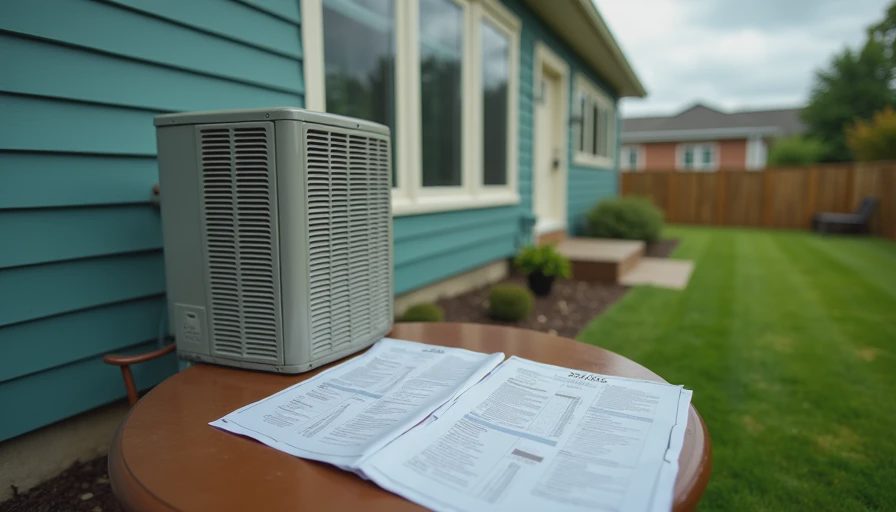
I inspected a house where the outdoor unit was almost hidden by tall ornamental grass. The owner thought the grass was harmless. The condenser could not release heat efficiently, and the system had been running nearly nonstop. The repair was not catastrophic, but the $420 service call and capacitor replacement would have been easy to avoid.
Signs Your System Is Near the End
Age alone does not require replacement. A 13-year-old system that cools evenly, operates quietly, and has reasonable energy bills may deserve another season. The better question is whether the pattern of repairs is changing.
Watch for these decision points:
- The system needs refrigerant repeatedly. Refrigerant does not normally disappear, so a recurring charge often indicates a leak that needs diagnosis.
- The compressor or major coil fails. These repairs can run from roughly $1,200 to more than $3,500, depending on equipment and access.
- The unit produces weak airflow or uneven temperatures after basic maintenance. That can point to duct, blower, coil, or control problems.
- The outdoor cabinet makes grinding, hard-starting, or repeated clicking sounds. Do not wait for a complete shutdown during a heat wave.
- Electric bills rise without a clear change in weather, thermostat settings, or occupancy.
A useful repair threshold is the age-and-cost test. If a 14-year-old system needs a $900 repair, repairing it may be sensible if the rest of the equipment is sound. If that same system needs a $2,800 compressor and already has a history of leaks, replacement usually buys more predictable cooling.
Repair or Replace: The Dollar Decision
A new central AC installation commonly costs several thousand dollars, with many homeowners seeing quotes in the broad range of $5,000 to $12,000 or more depending on capacity, duct changes, electrical work, and regional labor. A heat pump, furnace replacement, or major duct modification can change the project considerably. Get at least two written estimates that separate equipment, labor, permits, disposal, and optional upgrades.
Do not replace a functioning system solely because a salesperson says it is old. Ask what failed, what testing confirmed the failure, and what the repair warranty covers. Conversely, do not keep feeding money into a machine simply because each individual repair sounds manageable. Three calls at $600 to $1,000 each over two seasons can become a down payment on replacement without providing dependable cooling.
The practical ac unit lifespan calculation is cost per remaining year. A $1,000 repair on a 15-year-old system may buy one year, making it expensive insurance against another breakdown. A $1,000 repair on an eight-year-old unit may preserve six or seven useful years. Those are different decisions even though the invoice is identical.
What Insurance Usually Does and Does Not Cover
Homeowners insurance generally does not cover ordinary mechanical breakdown, age-related wear, poor maintenance, or the cost of replacing an old air conditioner. That means a failed compressor is normally a maintenance or replacement expense, not an insurance claim.
The surrounding damage can be different. If a covered event, such as a lightning strike, damages electrical equipment, the policy may respond subject to its terms and deductible. A drain pan overflow could also create a separate water-damage question, but coverage depends on the cause, policy language, exclusions, and how long the leak was ignored. Insurance is not a substitute for noticing a wet ceiling or rusted pan.
From my claims years, the expensive part was often not the AC itself. A neglected condensate drain overflowed into a ceiling, soaked insulation, and damaged drywall below. The air conditioner repair was under $500; the interior restoration was several thousand dollars. The ac unit lifespan was not the real problem. The ignored water signal was.
A Simple Seasonal Check
Before the first sustained heat, walk outside and look at the condenser. The cabinet should have clear space around it, with no leaves, boxes, or dense vegetation blocking airflow. Look for oil stains, damaged wiring covers, heavy rust, or a refrigerant line with unusual ice. Do not open electrical panels or attempt refrigerant work; those jobs belong to a qualified professional.
Inside, notice whether supply registers deliver similar airflow and whether the thermostat reaches its setting without marathon run times. Check the accessible drain area for water marks and staining. Replace an overdue filter, then see whether airflow and run time improve. If the system still struggles, schedule service before the first 95-degree day, when every contractor in town is booked.
Keep a simple record with the installation date, service visits, repairs, filter changes, and energy changes. That record makes the next ac unit lifespan decision less emotional. It also helps a buyer understand the condition of the home if you sell before replacement.
The Bottom Line for Your Home
A realistic ac unit lifespan is not a promise stamped on the cabinet. It is the result of climate, design, installation, airflow, maintenance, and the repair history. Start planning when the system reaches 12 years, but replace based on condition and economics rather than age alone.
If your unit is older, noisy, leaking, or increasingly expensive to operate, get a documented inspection and a replacement quote before it quits. A ten-minute check today saves a ten-thousand-dollar call tomorrow. Now go look at the outdoor condenser and the ceiling below the indoor unit; you have ten minutes.


No comments yet.