You are standing in the hallway on the hottest afternoon of the year, holding a thermometer while the air conditioner runs without stopping. The house is 78 degrees, the utility bill is climbing, and you are wondering whether to repair or replace aircon equipment that has served your home for years. I used to write checks for the damage that followed neglected mechanical systems. Now I write about the warning signs so you can make the decision before the emergency call.
An air conditioning system rarely fails at a convenient time. The useful question is not simply whether it still blows cold air. It is whether the system can do its job safely, efficiently, and reliably without turning a $300 service visit into a $7,000 replacement during a heat wave.
The age and condition threshold
Most central air conditioners last roughly 10 to 15 years, although installation quality, climate, maintenance, and run time make a significant difference. A system in Denver may experience a different workload than one in Phoenix or Houston. The condenser outside, evaporator coil, blower, refrigerant circuit, electrical components, and ductwork all age at different rates.
If your unit is under eight years old and has one isolated problem, repair usually deserves a serious look. A failed capacitor or contactor can cost about $150 to $400 installed. A clogged drain line or damaged thermostat is often less expensive. Those are annoying failures, not automatic reasons to replace aircon equipment.
The calculation changes when the system is 12 years old and needs a compressor, refrigerant leak repair, coil, or major control board. Depending on the equipment and access, those repairs can run from $800 to more than $2,500. Spending half that amount on a system near the end of its practical life is often poor timing, especially when another component could fail next summer.
I used to think age alone answered the question. It does not. Age is the starting line; repair history and performance finish the calculation.
Warning signs that deserve attention
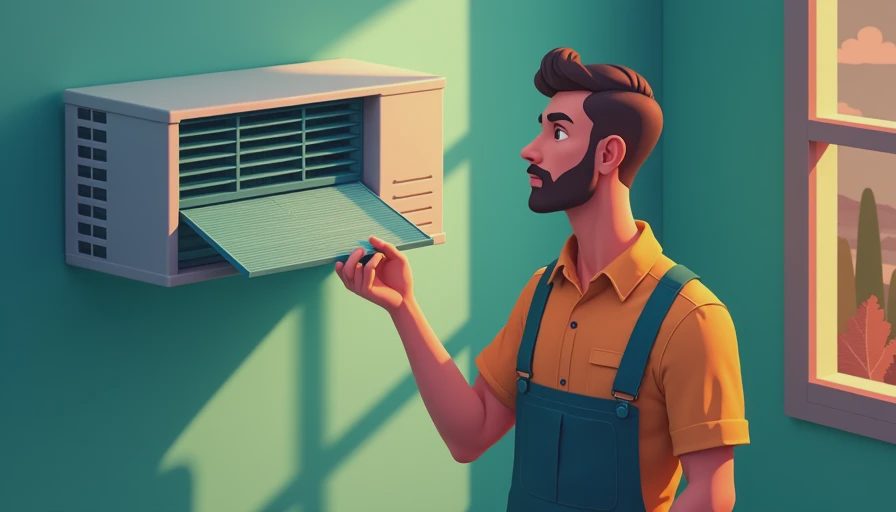
The clearest reason to replace aircon equipment is repeated loss of comfort. If bedrooms remain warm while the living room feels cold, the issue could involve airflow, duct leakage, insulation, a failing blower, or an undersized system. Do not assume a larger unit fixes the problem. Oversized equipment can cool quickly without removing enough humidity, leaving the house clammy.
Watch for these signals:
- The system runs for hours on a normal summer day without reaching the thermostat setting.
- Ice appears on the refrigerant line or indoor coil area.
- You hear grinding, hard buzzing, repeated clicking, or a compressor that struggles to start.
- Water collects near the furnace cabinet, air handler, or ceiling register.
- A musty odor returns soon after filter changes or cleaning.
- The electric bill jumps without a clear change in weather or household use.
- A technician has added refrigerant more than once.
Ice is not proof that the unit needs replacement. It can result from restricted airflow, a dirty coil, or low refrigerant. But recurring ice deserves prompt diagnosis because operating a frozen system can worsen damage.
Water is the warning I take most seriously. A small, contained puddle that dries within four hours may be a maintenance issue. Repeated dripping into drywall, framing, or finished flooring is different. One claim file I reviewed involved a slow air handler leak above a hallway ceiling. The equipment repair was under $600; the ceiling, insulation, paint, and flooring brought the total near $6,000.
Repair versus replacement costs
When you replace aircon equipment, the price includes more than the outdoor box. A standard central AC replacement commonly falls around $5,000 to $12,000, with higher totals for difficult access, extensive ductwork, electrical upgrades, or a heat pump system. A small single-zone system may cost less, while a large or multi-zone home can cost considerably more.
Ask for a written proposal that separates equipment, labor, permits, refrigerant line work, electrical changes, thermostat, disposal, and duct modifications. Two quotes that look similar at the top may differ by thousands once these items are listed.
Do not choose solely by the highest efficiency rating. A high-efficiency system can reduce operating costs, but the payback depends on your electricity rate, local weather, usage, and how long you expect to stay in the home. An honest contractor should explain the estimated savings without promising a guaranteed payback period.
A repair is easier to justify when the system is relatively young, the problem is clearly isolated, and the equipment has been maintained. Replacement becomes more sensible when three conditions appear together: the system is older, repairs are recurring, and comfort or energy performance is declining.
What an inspection should uncover
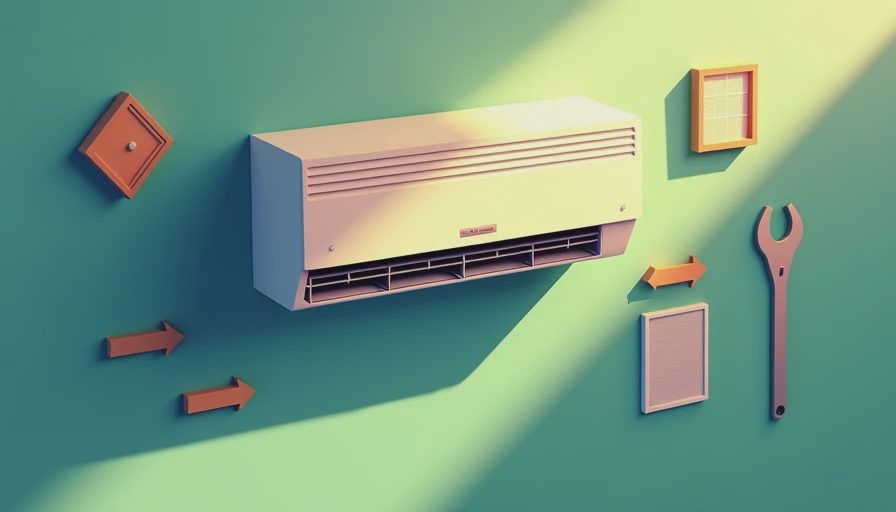
Before you replace aircon equipment, arrange a diagnostic visit from a qualified HVAC professional rather than accepting a quick sales estimate. The visit should include electrical testing, refrigerant pressure evaluation, airflow measurement, drain inspection, temperature readings, and a review of the indoor and outdoor coils. Ask the technician to show you the failed component and explain whether the underlying system is otherwise healthy.
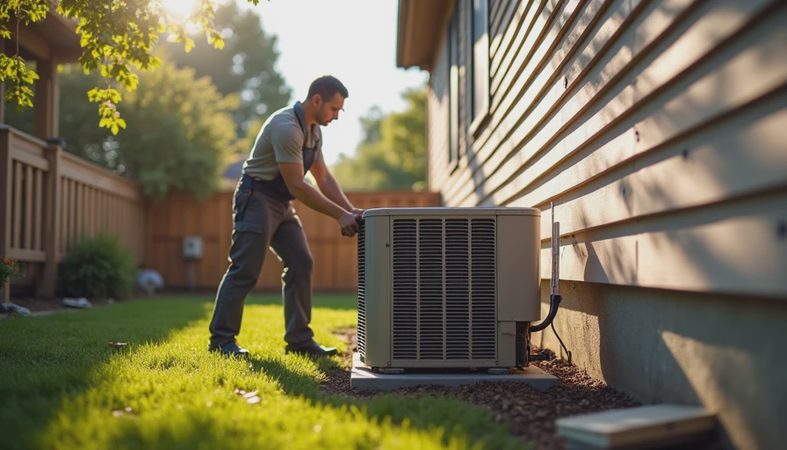
Look at the installation environment as well. A blocked outdoor condenser, crushed duct, dirty filter, or poorly sealed return can make a sound system appear ready for replacement. I have seen homeowners prepare to replace aircon units when the real problem was a return grille blocked by a bookcase and years of restricted airflow.
For an older system, ask about refrigerant type and availability. Older refrigerants can make repairs more expensive or difficult, but the refrigerant alone should not force an immediate replacement. The complete condition, expected repair cost, and remaining service life matter more than one label.
Protect the house while you decide
Air conditioning problems can create property damage even when the cooling failure seems minor. Check the area around the indoor unit, especially where condensate drains pass through ceilings, walls, or closets. Look for bubbling paint, soft drywall, staining, rust, or damp insulation. Keep storage away from the equipment so a small leak is visible instead of hidden for months.
Change filters according to the home's dust level and the filter manufacturer's guidance. A filter that looks gray, collapses, or becomes difficult to remove is overdue, but a needlessly restrictive filter can also reduce airflow. Have the system inspected before the cooling season if it has been noisy, unreliable, or unused for months.
Homeowners insurance generally covers sudden, accidental damage from a covered cause, not gradual wear, deferred maintenance, or the cost of replacing an old air conditioner because it wore out. That distinction matters. A leaking drain that damages a ceiling may be evaluated differently from an old compressor that simply stops working. Maintenance is cheaper than arguing about a preventable loss after it happens.
A practical decision you can make today
If you need to replace aircon equipment, do not wait until the first extreme-heat weekend. Write down the system's age, model, repair history, recent utility changes, and every room that struggles to stay comfortable. Take photos of stains, ice, rust, or standing water. Then request two detailed evaluations before authorizing work.
If the unit is young and the diagnosis is a single inexpensive component, repair it and monitor performance. If the unit is older, has repeated failures, and needs a major part, put replacement on the calendar before it becomes an emergency. If a contractor recommends replacement without testing, get another opinion.
A ten-minute check today saves a ten-thousand-dollar call tomorrow. Now go walk toward the mechanical closet, look beneath the indoor unit, and record what you find before the next hot day.
No comments yet.