You notice the house is warm, the outdoor unit is rattling, and the air from the vents feels more hopeful than cold. That is when an air conditioner change starts feeling urgent. I used to write checks for water damage claims. Now I inspect the systems that often create the conditions homeowners ignore until the repair bill gets serious. The question is not always whether to replace the unit today. It is whether the symptoms point to a small service call, a failing component, or an aging system that is no longer worth feeding.
Start with the warning signs
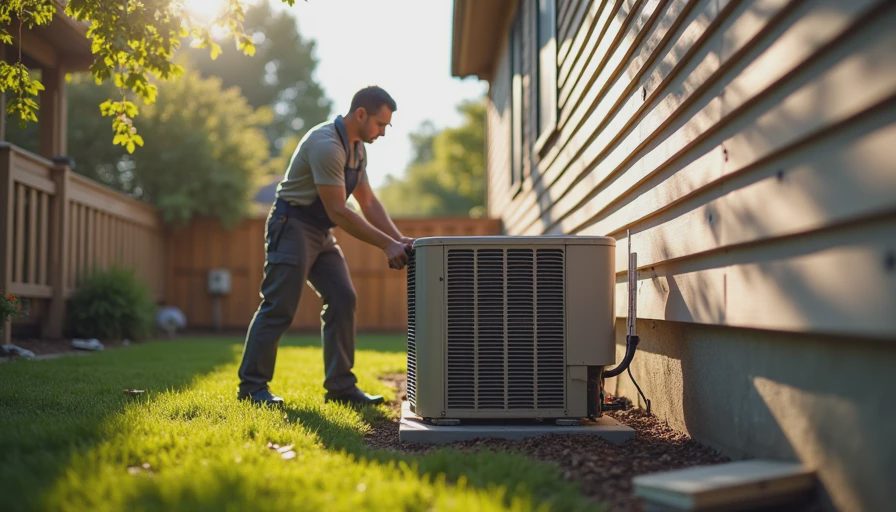
A struggling air conditioner usually gives you several clues before it quits. Rooms become unevenly cooled. The system runs for long stretches without lowering the thermostat. You hear grinding, buzzing, or repeated clicking from the outdoor cabinet. Water appears near the indoor air handler, or the supply vents blow air that feels barely cooler than the room.
One symptom alone does not automatically justify an air conditioner change. A clogged filter, blocked return, dirty coil, or thermostat problem can produce weak cooling for a relatively modest service charge. A technician might charge roughly $100 to $250 for diagnosis and routine service, depending on location and the problem. That is a sensible first step when the system is otherwise quiet, reliable, and less than ten years old.
The threshold changes when you see refrigerant trouble, a failed compressor, or repeated electrical failures. Refrigerant leaks are not the same as simply needing a recharge; the leak must be found and repaired, and older systems can use refrigerants that are expensive or difficult to source. A compressor replacement can run from about $1,500 to $3,000, while a complete replacement often lands between $5,000 and $12,000 for a typical single-family home.
Age matters more than homeowners expect
Most central air conditioners last around 10 to 15 years, though installation quality, climate, maintenance, and runtime make a large difference. A unit serving a hot, humid home in Phoenix or Houston works much harder than one cooling a mild Denver basement-level living space. Age does not make a system unsafe by itself, but it changes the economics of every repair.
For an air conditioner change, I use a simple rule: repair a younger system with a clear, reasonably priced failure; seriously price replacement when the system is older and the repair approaches one-third of replacement cost. On a 14-year-old unit, spending $2,200 on a major component can be difficult to justify if the next failure is waiting behind it.
Look at the equipment label before calling. Record the installation year if you know it, the model number, the fuel or electrical setup, and whether the system is central, ductless, or packaged. You do not need to diagnose the failure. You need enough information to compare a repair quote with a replacement estimate instead of accepting the first number offered during a heat wave.
I used to think homeowners should always repair an air conditioner until it completely failed. Field inspections corrected that assumption. A family I encountered had paid for three separate visits over two summers, totaling nearly $1,900. The system still cooled the house, but it stopped during a July weekend. Their eventual replacement cost about $8,400, and the previous repair spending did not reduce that price. The better decision would have been to request replacement pricing after the second major failure.
The damage an ignored system can cause
An air conditioner is not usually an insurance claim by itself. Normal wear, age, and mechanical breakdown are generally maintenance issues rather than covered losses. The surrounding damage is where delay can become expensive. A clogged condensate drain can send water into a ceiling, wall cavity, or finished basement. A frozen coil can thaw into an overflow pan that was already rusted through.
I once reviewed a claim where a slow HVAC drain leak stained a hallway ceiling for weeks. The visible patch looked small, but moisture had reached insulation and part of the framing. Dry-out, ceiling removal, replacement insulation, and repainting pushed the bill above $4,000. The air conditioner itself still needed service afterward. That is why air conditioner change decisions should include the drain pan, condensate line, and area around the indoor unit, not just the outdoor fan.
Check for a puddle, staining, soft drywall, musty odor, or peeling paint near the air handler. If water is actively spreading, shut the system off and contact an HVAC professional promptly. Do not assume a towel under the unit solves the issue. It manages the symptom while water continues moving into materials you cannot see.
Repair, replace, or get another opinion
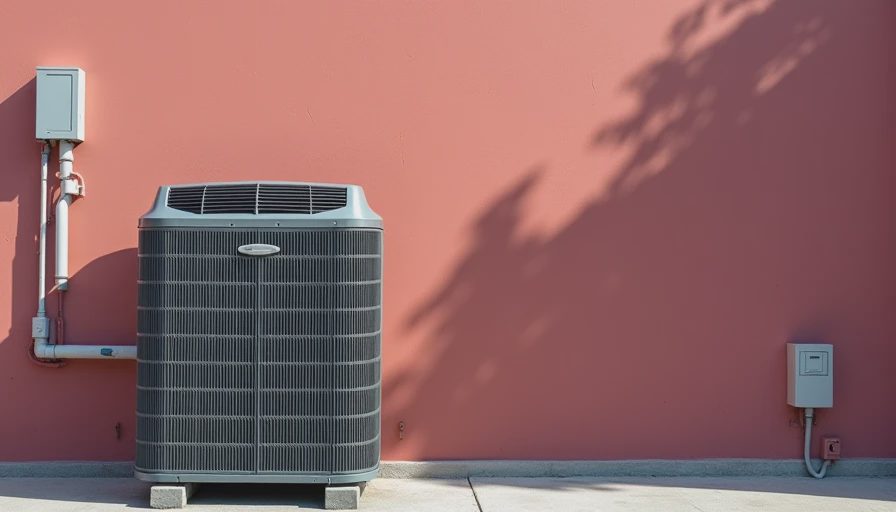
A repair makes sense when the equipment is relatively young, the diagnosis is specific, and the quote is comfortably below replacement cost. Examples include a failed capacitor, contactor, blower component, or thermostat. These repairs often fall in the $150 to $900 range, although labor and accessibility can change the total.
Replacement deserves serious consideration when the unit is over 12 years old, requires frequent refrigerant service, has a failing compressor, or cannot cool important rooms even after airflow problems are corrected. Ask for two written estimates. Each should state equipment capacity, efficiency rating, labor, permit charges, removal, warranty terms, and whether duct modifications are included. A low headline price can grow quickly if the quote excludes electrical work or a new indoor coil.
An air conditioner change is also a chance to correct an oversized or undersized system. Bigger is not automatically better. An oversized unit can cool quickly but fail to remove enough humidity, leaving the house cold and clammy. A qualified contractor should evaluate load, duct condition, return-air capacity, and insulation rather than selecting a replacement based only on the old model's size.
Brands matter less than the design, installation, and service support available in your area. Carrier, Trane, Lennox, Rheem, Goodman, and others all offer equipment across different price levels. The best quote is the one that explains the match between equipment and house, not the one with the most impressive logo.
A practical decision before summer
If cooling is still working, schedule an evaluation before the first heat wave. Spring service is easier to book than emergency weekend work, and you have time to compare financing, rebates, and installation dates. If the system is older but dependable, start a replacement fund rather than waiting for a credit card decision in July. Setting aside $75 to $150 per month can build a useful reserve over several years.
During your check, stand near the outdoor unit and listen for new sounds. Look for damaged insulation on refrigerant lines, bent cabinet panels, standing water, and heavy corrosion. Inside, inspect the area around the air handler and note any staining or dampness. Replace a visibly dirty filter according to its size and system guidance, but do not treat a new filter as a cure for leaks or persistent temperature problems.
For homeowners deciding on an air conditioner change, the clearest answer usually comes from combining age, repair history, performance, and moisture risk. Do not spend $5,000 to prevent a $200 capacitor repair, but do not spend $2,000 repeatedly on a system that is already near the end of its useful life. A ten-minute check today saves a ten-thousand-dollar call tomorrow. Now go look at your indoor unit; you have ten minutes.

No comments yet.