You are standing in the basement, listening to the furnace cycle on and off every few minutes. The house is warm, so you tell yourself it is probably fine. I used to write checks for this. Now I write about it so you do not need the check. HVAC replacement is not automatically the right answer, but ignoring the warning signs can turn a manageable $300 repair into a $9,000 emergency.
The warning signs that deserve attention
Start with the age of the equipment. Many forced-air furnaces last roughly 15 to 20 years, while central air conditioners often provide 10 to 15 years of service. Heat pumps can land in a similar range, depending on climate, maintenance, and how hard they work. An older system does not need to be replaced simply because it has reached a birthday. Age becomes important when it arrives with rising utility bills, uneven temperatures, repeated service calls, or parts that are difficult to source.
Listen for new sounds. A scraping blower motor, rattling panel, grinding bearing, or high-pitched squeal is worth documenting. Watch for short cycling, where the system starts and stops repeatedly instead of completing a normal heating or cooling cycle. In cooling season, ice on the refrigerant line is not a sign that the air conditioner is working extra hard. It points to an airflow or refrigerant problem that needs professional diagnosis.
The decision gets more urgent when you notice a burning smell, a carbon monoxide alarm, water around the furnace, or a heat exchanger concern identified by a qualified technician. Do not keep operating equipment that presents a safety issue. Turn it off and arrange service.
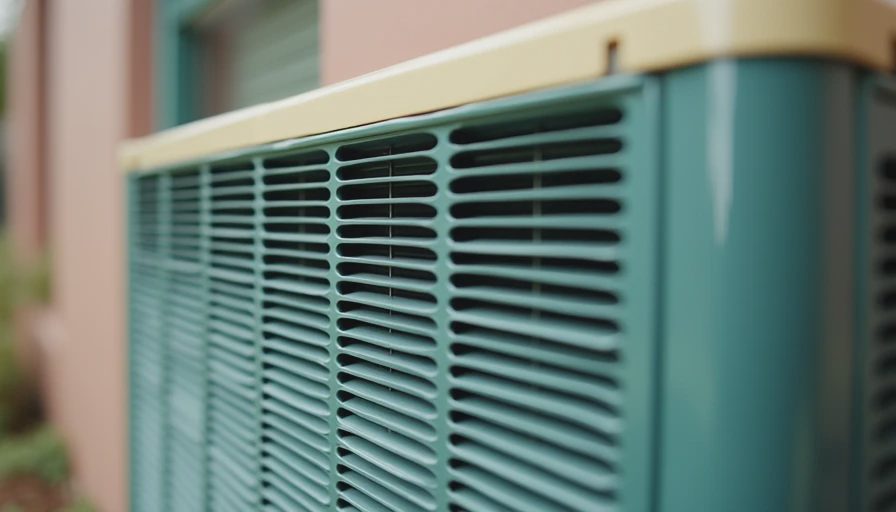
When HVAC replacement makes financial sense
The simplest rule I use is the repair-to-value test. If a repair costs $250 and the system is six years old, repair is usually sensible. If a 17-year-old furnace needs a $1,200 control board and has already needed two repairs, the money is probably buying time rather than reliability. HVAC replacement deserves a serious quote when one repair approaches $1,500 to $2,500, especially if the equipment is near the end of its expected life.
That is not a universal formula. A well-maintained 12-year-old system with one failed capacitor is different from a neglected 12-year-old system with a leaking coil, weak blower, and corroded electrical connections. Ask the contractor to separate the immediate repair from the likely next repairs. You want a written explanation, not a vague statement that the unit is “shot.”
I inspected a home where the owners had spent nearly $2,000 over two summers on an aging air conditioner. The final failure occurred during a hot weekend, and the emergency replacement quote was about $11,000 because duct modifications and electrical work were added under pressure. Planning six months earlier would not have made the project cheap, but it would have created time to compare three bids and choose the right capacity.
What HVAC replacement actually costs
For many single-family homes, a straightforward furnace replacement can fall around $3,500 to $7,500. Central air conditioning commonly lands near $4,000 to $8,500. A combined furnace and air conditioner project may run from $7,000 to $15,000 or more when the home needs a new electrical circuit, difficult attic access, duct repairs, a platform, or updated venting. Heat pumps vary widely, with some installations costing $6,000 to $16,000 before incentives or electrical upgrades.
Those ranges are planning numbers, not promises. A quote should identify equipment, labor, permits, warranty terms, removal, refrigerant handling, thermostat compatibility, and any duct or condensate work. A $5,000 quote that excludes a required electrical upgrade is not cheaper than an $8,000 quote that includes it.
Do not choose equipment by the biggest model number. Oversized heating and cooling equipment can cycle too quickly, leaving rooms uncomfortable and adding wear. The contractor should evaluate the home rather than simply replace the old unit with an identical capacity. A load calculation is especially valuable after insulation, window, or addition work.
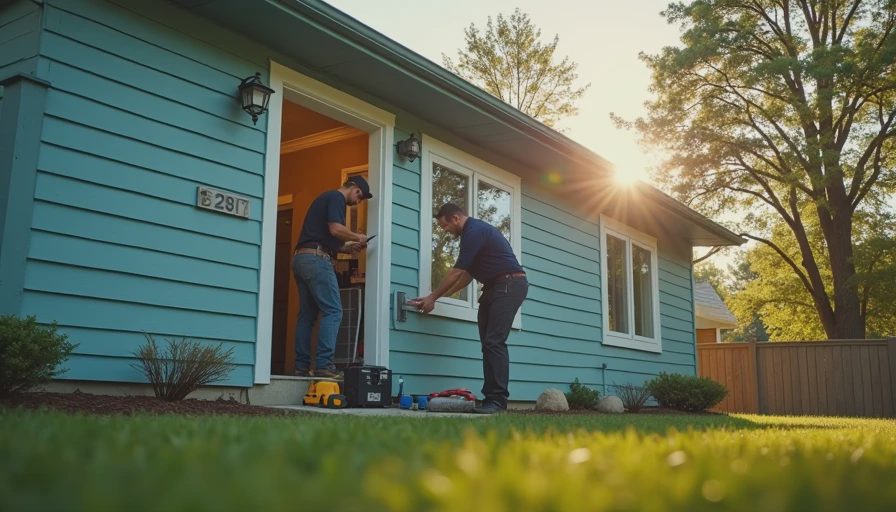
Why delaying can create a claim problem
Homeowners insurance generally does not cover gradual deterioration, poor maintenance, or an old system reaching the end of its service life. It can respond differently when a covered, sudden event causes resulting damage, but the failed furnace itself is often not covered. That distinction matters after a condensate line overflows, a frozen pipe breaks, or a mechanical failure damages nearby property.
In one claim file, a furnace drain had been dripping slowly behind a finished wall. The homeowner noticed the smell but waited through two heating seasons. By the time the wall opened, the repair included damaged drywall, insulation, baseboard, and flooring. The HVAC issue was modest; the restoration bill was several thousand dollars. HVAC replacement would not have prevented every component failure, but early inspection would likely have found the drainage problem.
Look around the mechanical closet twice a year. Check for staining, rust, standing water, damp insulation, and marks on the floor beneath connections. A dry floor today does not prove that a hidden leak is impossible, but it tells you where to focus the next inspection.
How to plan the project without panic
Get at least three written estimates before the old system becomes unusable. Ask each contractor to state the proposed capacity, efficiency rating, expected installation timeline, warranty coverage, permit responsibility, and payment schedule. Confirm that the business is licensed where required and carries appropriate insurance. You do not need the most expensive brand; you need a correctly sized system installed by a competent crew.
Schedule evaluation before the peak season. In many areas, spring is a calmer time to assess air conditioning and early fall is better for furnace planning. Keep service records, model numbers, and photographs of the current installation. Those details make comparison easier and can reveal whether a quote includes changes that the previous system never needed.
If financing is offered, compare the total repayment amount with the cash price. A low monthly payment can hide a long term or added interest. Also ask about local utility rebates without assuming every high-efficiency model qualifies. Incentives change, and eligibility often depends on equipment pairing and installation standards.
A ten-minute HVAC decision checklist
Today, write down the age and model of each indoor and outdoor unit. Record how often it has needed service during the last three years. Walk around the equipment and look for water, corrosion, staining, damaged insulation, or unusual odors. Check whether rooms are consistently too hot or too cold. Listen during startup and shutdown for sounds that were not present last season.
Then set a practical threshold. If the system is young, safe, and needs one modest repair, schedule the repair and continue maintenance. If it is old, unreliable, inefficient, and facing a major component failure, begin HVAC replacement planning before the next emergency. Put the expected cost into your household budget rather than waiting for a weekend failure to make the decision for you.
A ten-minute check today saves a ten-thousand-dollar call tomorrow. Now go walk your basement, attic, or mechanical closet. You have ten minutes.

No comments yet.