You are standing in the hallway, barefoot, listening to the air conditioner run without actually cooling the house. The thermostat says 78 degrees, the utility bill is climbing, and the repair company says the compressor is tired. I used to write checks for this. Now I write about it so you can decide whether replacement of ac makes sense before spending money in the wrong place.
The uncomfortable truth is that an air conditioner rarely fails at a convenient time. Most homeowners wait until the first hot week, then accept the first available quote. That is how a $350 repair turns into a rushed $7,000 decision. The goal is not always a new system. It is knowing what failed, how old the equipment is, and what damage a delay could create.
Start with the age and failure pattern
A central air conditioner often lasts about 12 to 17 years when it has received reasonable maintenance. Coastal air, poor airflow, neglected filters, and oversized equipment can shorten that range. A newer system with a failed capacitor, contactor, or fan motor is usually a repair conversation. A 16-year-old unit with a leaking coil and a failing compressor is usually a replacement of ac conversation.
Ask the technician for three facts in writing: the failed component, the total repair price, and the expected remaining life of the system. A $250 capacitor replacement on a nine-year-old unit is not the same decision as a $3,000 evaporator coil repair on a 15-year-old unit. I have seen homeowners replace a sound system because a small electrical part failed, and I have seen others spend $2,400 trying to revive equipment that was already consuming refrigerant and oil.
A practical threshold is the 50 percent rule. If one repair costs more than half the price of a properly sized replacement, pause before authorizing it. That is not an automatic answer, but it forces the real comparison: paying $2,000 for one more season versus applying that money toward a system with a new warranty.

The warning signs that deserve attention
Some symptoms are annoying but not urgent. A weak breeze from one bedroom register may point to a closed damper, duct problem, or dirty filter. A two-minute inspection of the return grille and visible filter can help identify a simple airflow issue. Do not keep resetting the thermostat and hoping the problem disappears; repeated short cycling increases wear on the compressor.
Other signs deserve a service call this week. Ice on the refrigerant line, water around the indoor unit, a burning electrical smell, grinding from the outdoor fan, or a breaker that trips repeatedly can indicate a problem beyond normal seasonal behavior. Shut the system off if you smell burning or see active water spreading toward electrical components.
Water damage is the claim-related issue I saw most often around neglected indoor cooling equipment. A clogged condensate drain can overflow into a ceiling, wall, or finished basement. The initial repair may be $150 to $400, but wet drywall, insulation, flooring, and mold-related cleaning can push the bill past $3,000. Homeowners insurance often does not pay for long-term neglect, and even covered water damage may leave you with a deductible and months of disruption.
What replacement of ac usually costs
For a typical US home, replacement of ac can range from roughly $5,000 to $12,000 for a central system, including installation. Difficult attic access, electrical upgrades, duct modifications, permits, and a furnace replacement can move the project higher. A heat pump conversion may have different equipment and incentive considerations, but it still requires a load calculation and a qualified installation.
Do not compare quotes by equipment price alone. One contractor may include a new pad, disconnect, refrigerant lines, thermostat, permits, startup testing, and removal of the old unit. Another may quote a lower number and charge separately for each item. Ask whether the proposal includes a Manual J load calculation, the efficiency rating, labor warranty, parts warranty, condensate protection, and disposal.
You do not necessarily need the highest efficiency model. If you plan to move within three years, a midrange system with a strong installation warranty may be more sensible than paying several thousand dollars for a premium efficiency upgrade. If you plan to stay for 15 years, better efficiency and improved humidity control may justify the extra cost, particularly in a long cooling season.
Repair versus replacement: a simple decision test
I use four questions when inspecting a tired system. First, how old is it? Second, has it needed more than one major repair in the last two cooling seasons? Third, is the refrigerant leak confirmed and repairable, or is the coil itself deteriorated? Fourth, are parts available without a special-order delay?
A newer unit with one isolated failure usually deserves repair. An older unit with a compressor, coil, and refrigerant problem deserves a replacement of ac estimate before more money goes into it. The same applies when the system uses an older refrigerant that is expensive or difficult to source. Adding refrigerant without finding the leak is not a durable repair; it simply delays the bill and releases the problem into another season.
Get two or three written opinions, but do not turn the process into a contest between the lowest numbers. A contractor who spends time checking airflow, duct sizing, electrical condition, and drainage is providing more value than someone who measures only the outdoor unit and hands you a price. Installation quality affects comfort, operating cost, and service life as much as the equipment label.
How to schedule the work without panic
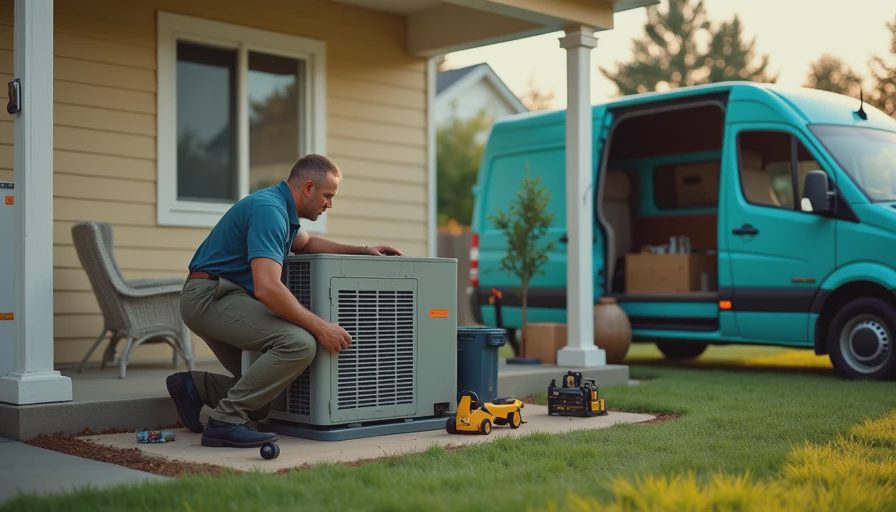
The best time for replacement of ac is before the first extreme heat wave, not during it. In spring, contractors generally have more scheduling flexibility, and you have time to compare proposals. Fall can also work in many regions, although availability depends on local weather and whether the company focuses on heating work.
Start by recording the model and serial numbers, the system's age, recent repair invoices, and any rooms that have always been too hot or cold. Photograph water stains, ice buildup, or damaged insulation. These details help the contractor diagnose the entire system instead of treating only the loudest symptom.
Set aside a contingency of 10 to 15 percent for old homes. The surprise is often not the air conditioner itself. It may be an undersized electrical panel, brittle ductwork, a collapsed platform, or a condensate drain that was never properly routed. A realistic budget prevents you from approving a rushed shortcut when the crew discovers something behind the access panel.
Protect the house after installation
A new system is not maintenance-free. Replace or inspect the filter on the schedule appropriate for its size and household conditions. Keep furniture and storage away from return grilles. Once each season, look for standing water near the indoor cabinet, staining beneath the drain line, damaged insulation, and unusual cycling. A technician should verify drainage, refrigerant charge, electrical connections, and airflow during installation and service.
Save the invoice, equipment documentation, warranty terms, and photographs of the completed work. If a future leak damages a ceiling, those records show when the system was installed and what was included. Insurance does not cover wear and tear, but documentation can make a covered sudden loss easier to explain.
The decision is straightforward when you separate discomfort from risk. A noisy but dry 10-year-old system may have time left. A leaking, repeatedly tripping, 17-year-old system should not be managed by hope. A ten-minute check today saves a ten-thousand-dollar call tomorrow. Walk to the indoor unit today, look for water or staining, and request a written evaluation before the next hot spell.
No comments yet.