I’ve walked through more than 1,200 homes as a licensed inspector, and every single one taught me something new about how houses age, how people live in them, and what actually matters when you’re making the biggest purchase of your life. The first 30 minutes of any inspection tell me most of what I need to know about the property’s real condition.
Here are the five things I always check first — in order — and exactly why they matter. This isn’t a full inspection checklist. It’s the high-impact starting points that separate good decisions from expensive regrets.
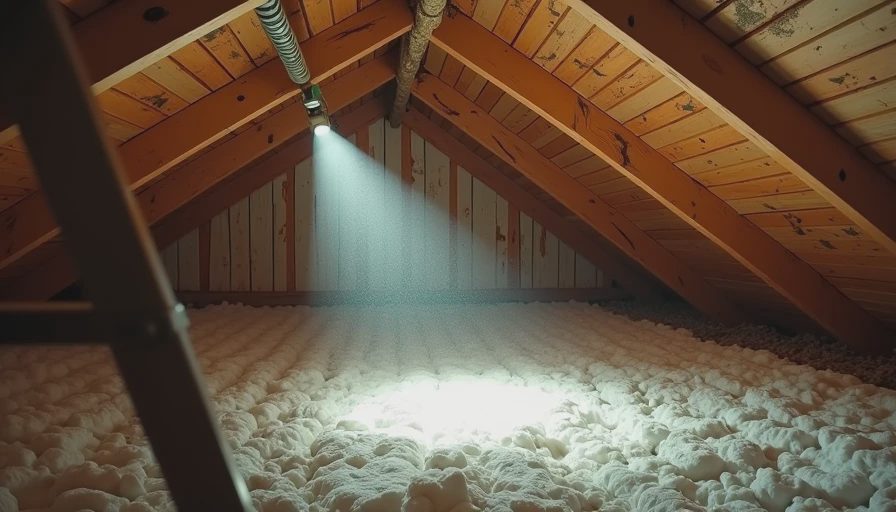
The Attic: The Most Honest Room in the House
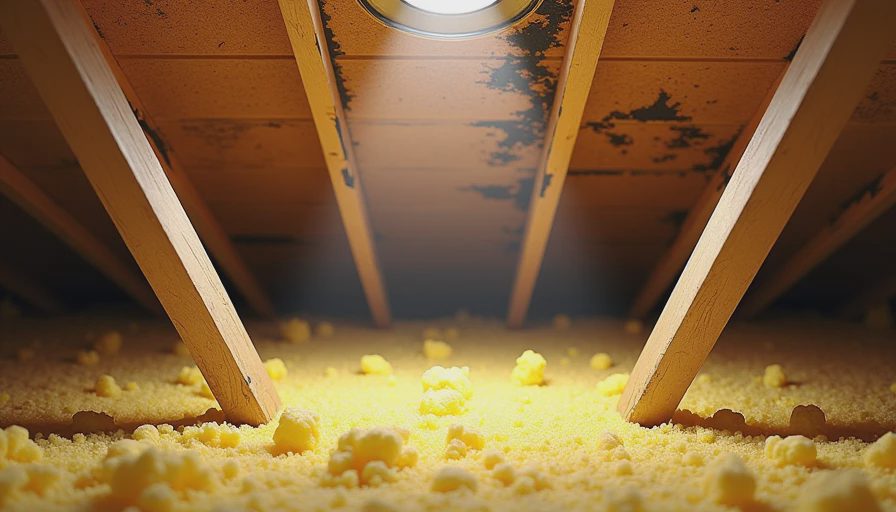
I head straight for the attic access first. Why? Because the attic sees everything before the rest of the house does.
I look for:
Insulation coverage and compression
Signs of roof leaks — dark stains on rafters or sheathing
Proper ventilation (soffit and ridge vents working?)
Wiring that looks like it was installed by a enthusiastic amateur
Any evidence of pests or animals
One of my favorite claims from my adjusting days involved a beautiful suburban home where the buyers skipped a thorough attic look. Six months later they discovered a slow roof leak that had been turning their brand-new attic insulation into black mold. The repair bill was ugly.
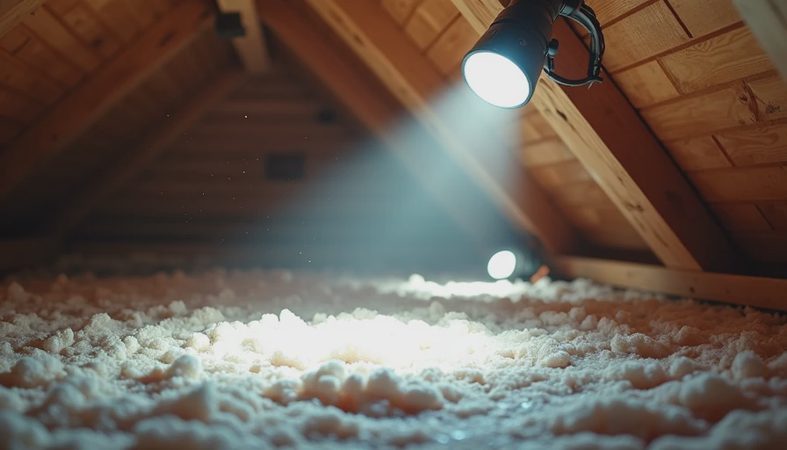
Take a good flashlight and spend ten minutes up there. The attic doesn’t lie.
The Foundation and Crawlspace: Where Big Problems Hide
Next I drop down into the crawlspace or walk the exterior foundation carefully.
Key things I note:
Cracks wider than a credit card — especially horizontal ones
Evidence of water intrusion or poor grading
Floor joist condition and support posts
Vapor barrier integrity
Any unusual odors or standing water
In Colorado’s clay soils, foundation movement is common. Catching it early can mean the difference between a $2,000 repair and a $25,000 nightmare. I always tell buyers: if the crawlspace looks scary, that’s information, not a deal breaker. Knowledge is power.
Electrical Panel and System Age
I pop open the electrical panel (safely) and check:
Amperage capacity (100 amp vs 200 amp)
Age of the panel and wiring
Any double-tapped breakers or outdated components
GFCI and AFCI protection in wet areas
Old knob-and-tube wiring or a Federal Pacific panel can turn a dream home into a money pit. I’ve seen too many buyers discover this after closing. Check it early.
Plumbing: Pressure, Pipes, and Hidden Leaks
I turn on multiple faucets at once to test water pressure, then look under sinks and in the basement for:
Pipe material (galvanized, polybutylene, or modern PEX)
Signs of past leaks or corrosion
Water heater condition and age (we covered this recently)
Drainage flow
A quick shower test and running the washing machine can reveal a lot. Low pressure or slow drains often point to bigger issues down the line.
Roof and Exterior Envelope
Even if I can’t get on the roof, I use binoculars and check:
Shingle condition and age
Flashing around chimneys, vents, and valleys
Siding and trim for rot or water damage
Grading and drainage around the foundation
Window and door seals
The roof is often the single biggest ticket item. Knowing its age and condition helps you negotiate or budget properly.
Why This Order Works
Starting with attic and foundation gives me the biggest picture fast. These areas are where serious, expensive problems hide. Electrical and plumbing come next because they affect safety and daily living. The roof ties it all together.
This sequence has saved my clients from walking away from great homes with fixable issues and from buying houses with hidden disasters. One buyer I worked with found active termite damage in the crawlspace on inspection day. They negotiated a $12,000 credit and still got the house they loved.
What Homebuyers Should Remember
A professional inspection is never a guarantee, but knowing what to look for yourself makes you a better partner in the process. Walk every home like you’re going to live there for the next 20 years. Check the places most people ignore.
My wife Jen and I still do this when we look at properties, even casually. The kids think it’s a game — Noah hunts for “mysterious stains” and Maya points at every crack. It keeps us honest.
A ten-minute check today saves a ten-thousand-dollar call tomorrow. In the pre-purchase phase, those ten minutes can save tens of thousands.
Next time you’re touring a house, start with these five areas. Take notes. Ask questions. The more you understand before you buy, the happier you’ll be after you move in.
If you’re currently in the home buying process, drop your biggest worry in the comments. I’ve probably seen it before.
No comments yet.