You are standing in the basement of a house you might buy. The floor is dry, the furnace is quiet, and the seller's photos looked great. This is exactly when knowing what to check before buying a house matters most. The expensive problems are often not dramatic. They are a faint water mark behind a stored box, a gutter emptying beside the foundation, or an air conditioner that runs but is close to retirement.
I used to write checks for damage like this. Now I write about it so you do not need the check. A professional inspection is essential, but you will make better decisions if you understand what an inspector is looking for and which findings deserve a price adjustment, a specialist, or simply a note on your maintenance calendar.
Start outside: roof, water, and grading
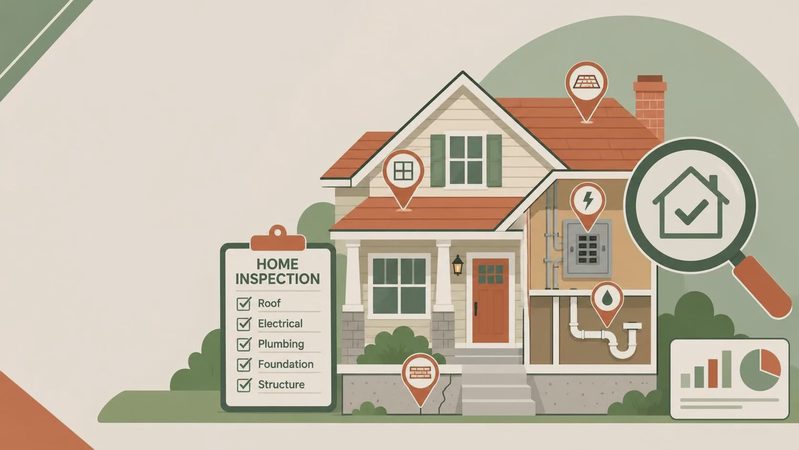
Water is the repeat offender in residential claims. Before you fall in love with the kitchen, walk the exterior after rain if possible. Look for roof shingles that are missing, curling, cracked, or heavily covered with dark patches. From the ground, you cannot confirm every roof defect, but you can spot a roofline that sags or gutters that are pulling away. Ask how old the roof is and whether there are transferable warranties or recent invoices.
Then follow the water. Gutters should discharge through extensions or other drainage that moves water away from the foundation. Soil should generally slope away from the house rather than forming a bowl beside the basement wall. Look for fresh mulch piled against siding, staining on foundation walls, standing water, and downspouts that terminate right beside the house.
Case file from my adjusting years: a couple bought a tidy split-level after a dry week. Their first major storm sent water through a basement wall where a short downspout had been dumping for years. Interior drying, damaged flooring, and wall replacement ran about $9,000. The original fix was not complicated; the missed clue was visible from the driveway.
When considering what to check before buying a house, drainage deserves as much attention as paint and countertops. A credit-card-width foundation crack is not automatically a crisis, but a widening crack with dampness or displacement deserves a structural opinion before closing.
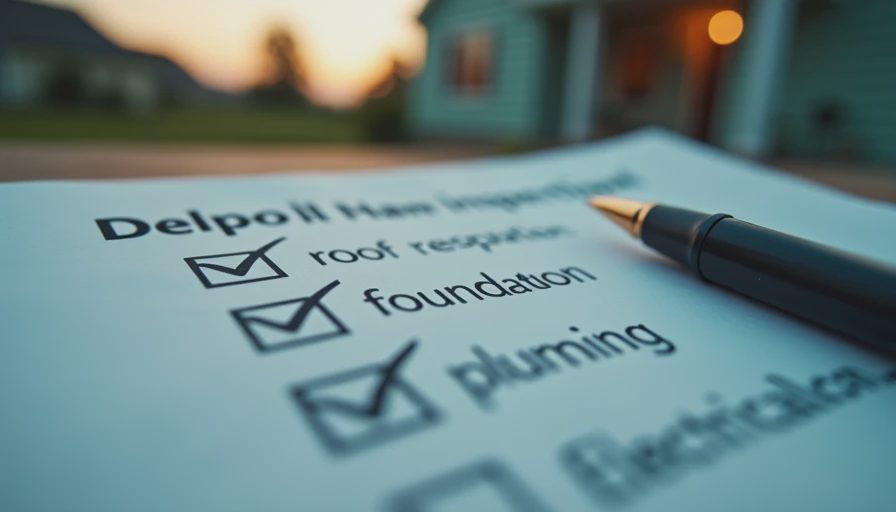
Inspect the structure and interior clues
Inside, look beyond cosmetic damage. Open closets, examine ceilings below bathrooms, and check corners along exterior walls for staining, bubbling paint, or a musty odor. A recently painted ceiling is not proof of a problem, but it is a reason to ask what was repaired and when. Do not let furniture prevent a reasonable inspection of walls, floors, or plumbing fixtures.
Floors that slope noticeably, doors that swing open by themselves, and windows that bind can have ordinary explanations, including settling or humidity. Several signs together are more useful than one strange door. An inspector should evaluate accessible crawlspaces, attics, foundations, and framing, but inaccessible areas should be documented rather than treated as cleared.
Check the attic for daylight where it should not be, wet insulation, compressed insulation, staining around roof penetrations, and bathroom exhaust fans that terminate improperly. In the crawlspace, look for standing water, damaged vapor barriers, wood deterioration, and evidence of rodents. These are not invitations to crawl through unsafe spaces yourself. Use a flashlight, stay clear of questionable areas, and hire the right professional when access or safety is limited.
Test the systems that quietly create big bills
A house can have attractive finishes and tired mechanical equipment. Find the age and service history for the furnace, boiler, heat pump, air conditioner, water heater, and electrical panel. A system that turns on during a showing has only passed a very small test. Ask whether it can maintain temperature, whether maintenance records exist, and whether any equipment is beyond its expected service life.
Run several faucets and watch how quickly hot water arrives. Check under sinks for active drips, corrosion, swollen cabinet bottoms, and flexible supply lines that look stressed. Flush toilets and notice rocking, continuous running, or moisture around the base. One toilet leak I reviewed damaged subfloor and finished flooring over months; the repair bill was roughly $8,600 because the slow leak stayed hidden behind a bath mat.
At the electrical panel, look for labeling, signs of overheating, double-tapped breakers, and an older panel that deserves evaluation by a licensed electrician. Test visible outlets only if they are safe to access, and ask whether required ground-fault protection is present in wet locations. Do not remove covers or attempt repairs during a showing.
What to check before buying a house in the paperwork
Physical conditions are only half the investigation. Request seller disclosures, permits for additions and finished basements, invoices for major work, and records for septic, well, chimney, or underground oil tank systems when applicable. Compare the listing description with the permit history. An attractive finished room without clear approval can create financing, resale, and insurance complications.
Ask specifically about prior water intrusion, sewer backups, roof leaks, frozen pipes, fire damage, and mold remediation. A repaired problem is not necessarily a reason to walk away. A documented repair with a clear cause is often easier to evaluate than a house with no history and fresh paint everywhere.
Insurance deserves an early call, not a closing-day surprise. Some carriers ask about roof age, electrical systems, wood stoves, prior losses, or protective devices. Get a preliminary quote using the home's actual details. A $1,500 annual premium difference over several years is real money, and an older roof can affect eligibility or settlement terms depending on the policy and insurer.

Turn findings into dollars and deadlines
Not every defect should become a negotiation emergency. Separate findings into three groups: safety or habitability concerns, expensive systems nearing replacement, and ordinary maintenance. Active water intrusion, unsafe wiring, structural movement, failed heating in a cold climate, and sewer problems deserve prompt specialist attention. A dirty furnace filter or missing handrail is different; it still matters, but it should not distract from a failing roof.
Use realistic ranges when planning. A roof replacement can run roughly $8,000 to $20,000 or more depending on size, materials, and location. HVAC replacement commonly reaches several thousand dollars, while drainage correction may cost hundreds for a modest adjustment or several thousand for a larger excavation. These are planning numbers, not bids. Obtain written estimates from qualified contractors before assigning a final value.
If you are deciding what to check before buying a house, ask three practical questions for every finding: Is damage active? What happens if it waits two years? Can a specialist document the cause and cost? Those answers help you request a repair, negotiate a credit where permitted, or walk away from a risk you cannot comfortably fund.
A practical walkthrough before your inspection period ends
Return to the property at a different time of day. Listen for pumps, traffic, barking, and mechanical cycling. Visit after rain if you can. Confirm that windows open, doors latch, toilets flush, drains clear, and appliances included in the sale operate. Look at the basement after the washer, dishwasher, and showers have been used rather than relying only on a quiet showing.
Bring your inspection report, but do not read it as a pass-fail certificate. Mark each item by urgency, estimated cost, and evidence needed. Then schedule specialists for the roof, sewer line, structure, chimney, or electrical system when the general inspector flags a limitation. A $250 specialist opinion can prevent a $15,000 assumption.
The best answer to what to check before buying a house is not a longer list of cosmetic details. It is a focused search for water, movement, aging systems, unsafe conditions, and undocumented work. A ten-minute check today saves a ten-thousand-dollar call tomorrow. Now go walk the basement, look at the downspouts, and write down what you find.

No comments yet.