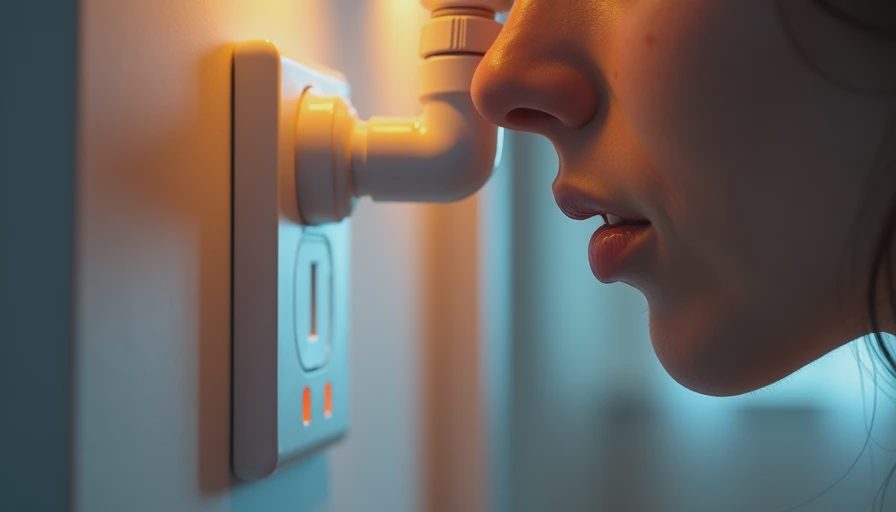
Houses have their own language, and smells are one of the clearest ways they communicate trouble. After years of investigating claims and doing inspections, I’ve learned to play “smell detective” pretty effectively. Certain odors have very specific meanings.
Here’s your practical field guide to the smells that matter most.
Sewer Gas Smell (That Rotten Egg or Musty Odor)
Call a plumber.
This is the classic “something died in the walls” smell. It usually means:
Dry P-trap in a floor drain or unused sink
Cracked or loose sewer line
Vent pipe issues
Failed wax ring on a toilet
Sewer gas isn’t just unpleasant — it can be a health concern and often signals a pathway for water or gas leaks. If it’s strong and persistent, don’t ignore it. Open windows for ventilation and get a plumber out.

Electrical Burning Smell (Hot Plastic or Ozone)
Call an electrician immediately.
This one scares me the most because of fire risk. It might smell like:
Burning plastic or insulation
Hot electrical components
A faint ozone or “electrical” scent
Possible causes: Overloaded circuits, failing outlets, arcing wires, or malfunctioning appliances. If you smell this, turn off breakers to the affected area if safe and call a professional right away. Better a service call than a house fire.
Musty or Mildew Smell (Damp Basement Odor)
Usually plumbing or water intrusion.
This often points to:
Hidden water leaks
Poor ventilation in crawlspace or basement
HVAC condensation issues
Past flooding that wasn’t fully remediated
Trace it to the source. Check under sinks, around water heaters, and in the basement. Moisture + organic material = mold potential.
Natural Gas or Rotten Egg Smell (Mercaptan Additive)
Evacuate and call the gas company immediately.
This is the one that requires no hesitation. Gas companies add the sulfur smell precisely so you notice leaks. If you smell it strongly, leave the house and call from outside.
Sweet or Chemical Smells
These can come from:
Refrigerant leaks from AC or fridge (sweet smell)
Antifreeze from heating system
Cleaning products or off-gassing materials
Context matters. Sweet smells near the furnace might mean a cracked heat exchanger — another serious safety issue.
How to Investigate Smells Safely
Note where and when the smell is strongest.
Check obvious sources first (trash, drains, appliances).
Follow your nose to the area of highest concentration.
Use your other senses — look for stains, listen for sounds.
When in doubt, call the appropriate trade.
I’ve walked into homes where the owners had been “living with” a sewer smell for months. The fix was usually simple and inexpensive once found, but the delay caused unnecessary stress and potential health issues.
My Dinner Table Smell Tests
Jen and I have turned smell investigation into a bit of a game. When one of us notices something, we try to diagnose it before the other. The kids have started participating too — Noah is surprisingly good at locating musty spots.
A ten-minute check today saves a ten-thousand-dollar call tomorrow. Sometimes that check is simply following your nose and investigating the source before it becomes a bigger problem.
Trust your nose. Houses don’t usually develop new smells for no reason. The sooner you identify and address the source, the less expensive and disruptive the solution usually is.
If you’re dealing with a mystery smell right now, describe it in the comments (location, intensity, when it’s strongest). I’ll help you narrow it down based on what I’ve seen in the field.
Your nose is one of the best early warning systems you have. Use it.


No comments yet.