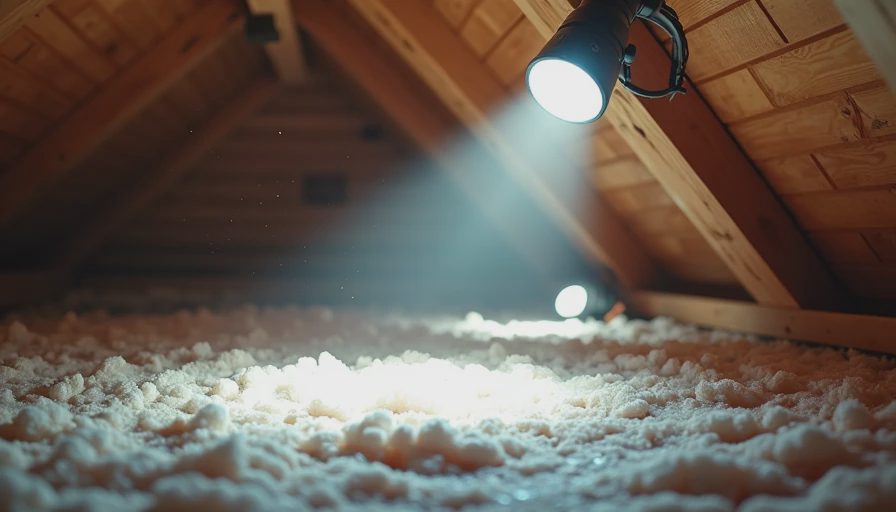
If I could only look in one place during a home inspection, I’d pick the attic every single time. It’s the most honest room in the house. No staging, no fresh paint, no furniture hiding problems. Just raw truth about how the home has been cared for and what’s happening structurally.
After inspecting over 1,200 homes, I’ve learned to read attics like books. Here’s what they consistently tell me.
Insulation Story
The first thing I check is insulation coverage and condition.
Even, thick coverage (at least 12–15 inches in Colorado) = good maintenance
Compressed, missing, or wet insulation = problems
Blown-in insulation that’s settled unevenly = normal aging but worth noting
Poor insulation doesn’t just cost you money on energy bills. It leads to ice dams in winter and extreme heat in summer, both of which create bigger issues.
Roof Structure and Leak History
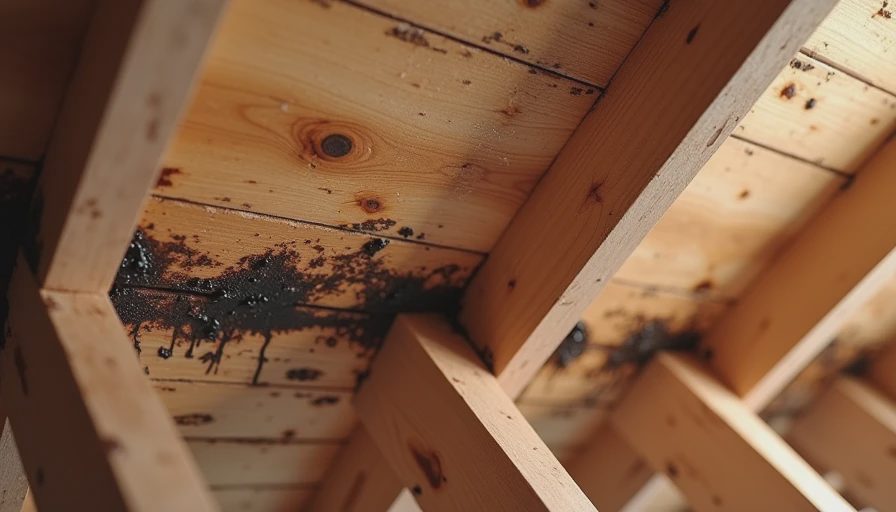
Attics show the roof’s entire life story:
Dark water stains on rafters or sheathing = past or current leaks
Multiple stain colors and layers = recurring issues over years
Mold or mildew = ongoing moisture problems
Sagging rafters or trusses = structural concerns
I’ve seen pristine living rooms with attics that looked like they’d been through a monsoon. The attic always tells the real story first.
Ventilation Performance
Proper attic ventilation is critical in Colorado’s climate.
Look for:
Soffit vents clear and working
Ridge or box vents allowing good airflow
Excessive heat buildup or frost in winter
Evidence of animal intrusion (they love poorly ventilated attics)
Good ventilation extends roof life dramatically and prevents condensation issues that lead to mold.
Wiring and Electrical Work
Attics often contain the “interesting” electrical work homeowners don’t want you to see:
Knob-and-tube wiring still in use
Extension cords used as permanent wiring
Overloaded junctions or exposed connections
Modern wiring done properly (always a relief)
This is where DIY electrical work often hides until it becomes a fire hazard.
Pest and Animal Evidence
Attics are prime real estate for critters.
Droppings, nesting material, or chewed insulation
Entry points around vents or soffits
Squirrels, raccoons, bats, or birds
Finding evidence early lets you address it before they cause thousands in damage.
What a “Good” Attic Looks Like
Clean, consistent insulation
Bright, well-ventilated space
No significant stains or odors
Properly installed and supported mechanicals
No visible structural issues
When I see this, I know the homeowner (or previous owner) has been proactive. It sets a positive tone for the rest of the inspection.
How to Check Your Own Attic Safely
You don’t need to be an expert. Bring a strong flashlight, wear protective gear, and:
Look from the access point first
Note any obvious stains or dark spots
Check insulation coverage
Look for light coming through the roof (bad)
Take photos for your records
If anything looks concerning, call a professional. Attics can be dangerous spaces with electrical, structural, and air quality risks.
My Personal Attic Philosophy
I treat our attic like the command center of the house. I check it twice a year during seasonal walkarounds. Jen jokes that I have more photos of our attic than of the kids, but after seeing what neglected attics lead to in claims, I’m not sorry.
A ten-minute check today saves a ten-thousand-dollar call tomorrow. The attic check might be the highest return on investment ten minutes you can spend on your home.
Next time you need to understand your house better, climb up there (safely). Take a look around. Take notes. The attic will tell you what’s really going on — no filter, no excuses.
If you’ve got an attic story — good, bad, or ugly — share it below. I’ve probably seen something similar during an inspection.
Your attic is trying to talk to you. Go listen.

No comments yet.