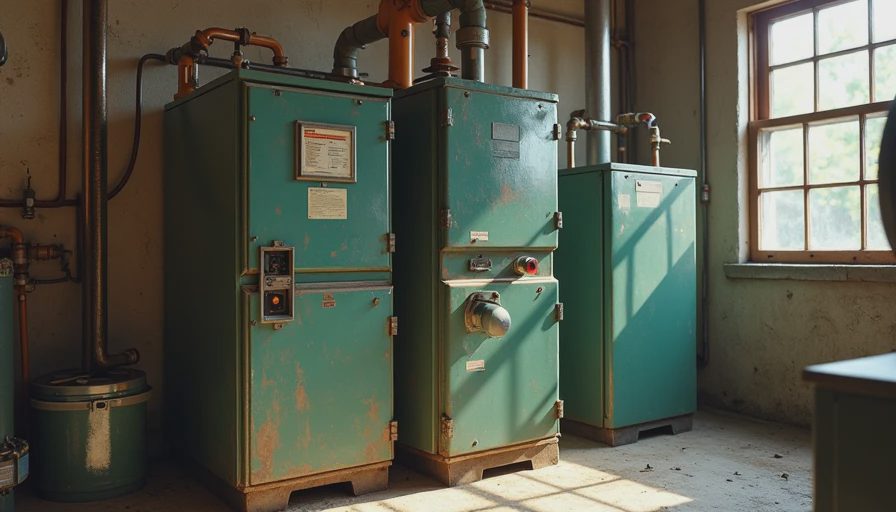
One of the most common questions I get during inspections is some version of: “It’s still working… should I replace it?” Nowhere does this come up more often than with furnaces, especially those pushing 15 years or older.
I’ve run the numbers on this exact scenario more times than I can count — both on claims desks and in real inspections. Let’s look at a typical 16-year-old furnace that’s “still working fine” and make a smart decision.
The Real Lifespan Data
Manufacturer rating for most gas furnaces is 15–20 years. In practice, in Colorado’s temperature swings and dry air, many make it to 18–22 years with good maintenance. But “making it” and “running efficiently” are two different things.
At 16 years, you’re in the danger zone where efficiency drops, repair costs rise, and the risk of sudden failure increases dramatically.
The Cost Breakdown
Option 1: Keep Repairing the Old One
Average repair cost: $300–$800 per call (igniter, blower motor, control board, etc.)
Efficiency: Probably 70–80% AFUE if it was 90+ when new
Annual heating cost penalty: $150–$400 extra per year compared to new high-efficiency
Risk of total failure: High during peak winter
If it needs two major repairs in the next 3 years, you’ve easily spent $1,500–$2,500 plus the efficiency losses.
Option 2: Replace Now
New high-efficiency furnace (96%+ AFUE): $3,500–$5,500 installed in Denver metro (after rebates)
Annual energy savings: $200–$450 per year
New warranty: 10 years parts + labor typical
Peace of mind: Enormous
Break-even math: Most homeowners recover the difference within 5–7 years through energy savings and avoided repairs. After that, it’s pure savings.
When I Recommend Keeping It
The unit is 12 years or younger
Recent major repairs were done
Efficiency is still decent and no unusual noises/smells
Budget is genuinely tight right now
But at 16 years? I usually recommend planning the replacement within the next 12–18 months, ideally in shoulder season when HVAC companies aren’t slammed.
Real Claim Stories From the Ledger
I’ve seen both sides. The family who nursed a 19-year-old furnace through another winter only to have it die on Christmas Eve with a $1,200 emergency after-hours call. And the smart couple who replaced their 15-year-old unit proactively and saved money on energy bills while gaining reliable heat.
The difference wasn’t luck. It was running the numbers instead of hoping for the best.
Maintenance That Buys You Time
If you decide to keep the old furnace for now:
Annual professional tune-up (worth every penny)
Replace filters every 1–3 months
Keep the area around the unit clean and unobstructed
Listen for changes in sound or performance
My own furnace is 13 years old. I service it religiously every fall and have the numbers ready when it’s time.
The Bottom Line Decision Framework
Ask yourself these questions:
How many more winters do you realistically want to risk?
What would a sudden failure cost you in inconvenience and emergency rates?
Are energy savings and rebates available right now?
How’s the rest of the mechanical system looking?
For most families with a 16-year-old furnace that’s still running, the smart move is to get quotes now and plan replacement before next winter. You don’t have to do it tomorrow, but don’t get caught flat-footed when it fails at the worst possible moment.
A ten-minute check today saves a ten-thousand-dollar call tomorrow. In this case, that ten-minute check might be calling three HVAC companies for replacement quotes and comparing them against your repair history.
Go look at your furnace today. Note the age and any warning signs. Run your own numbers. The house will thank you with lower bills and fewer middle-of-the-night emergencies.
If you’ve got an old furnace story — whether you replaced early or rode it to the end — share it in the comments. The collective wisdom is valuable.
Stay warm and smart out there.
No comments yet.