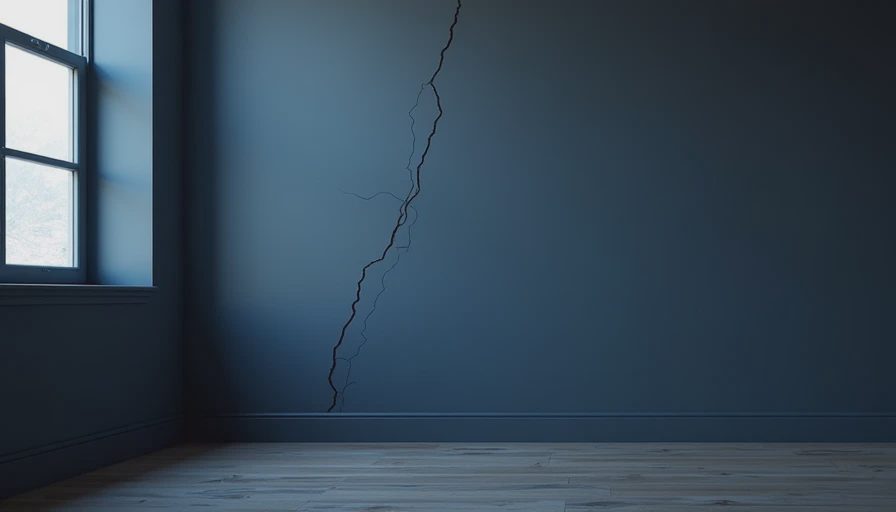
Nothing ruins a good night’s sleep like a loud “CRACK” coming from inside the wall at 2 a.m. Your mind immediately goes to the worst-case scenarios — foundation failure, structural collapse, or that one horror movie you watched in college.
After investigating thousands of claims and walking through hundreds of homes, I can tell you that most nighttime wall sounds are completely normal. But some aren’t. Here’s how to tell the difference.
Why Houses Make Noise at Night
Houses are living systems. They expand and contract with temperature changes. Wood framing, drywall, and plumbing all respond to humidity and temperature swings differently. When the furnace kicks off or the outside temperature drops, materials cool and contract at different rates — hence the sounds.
In Colorado, our big day-to-night temperature swings make this even more common. What sounds terrifying is often just the house adjusting itself.
Common Harmless Causes
Thermal Movement: The most frequent culprit. During the day materials expand. At night they contract and pop. This is especially common in newer homes where materials are still settling.
Plumbing Pipes: Hot water pipes expanding and rubbing against wood framing. You’ll often hear this after someone takes a shower.
Ducts and Vents: Metal ductwork contracting as the heating system cycles.
Floor Joists and Subfloor: Slight settling or shifting that creates audible pops, especially in older homes with hardwood.
I’ve stood in many living rooms with nervous homeowners only to explain that the sound they’re hearing is the same reason my smoker makes clicking noises as it cools down after a long brisket cook — physics being physics.
When the Cracking Sound Means You Should Worry
Not all sounds are innocent. Pay attention when:
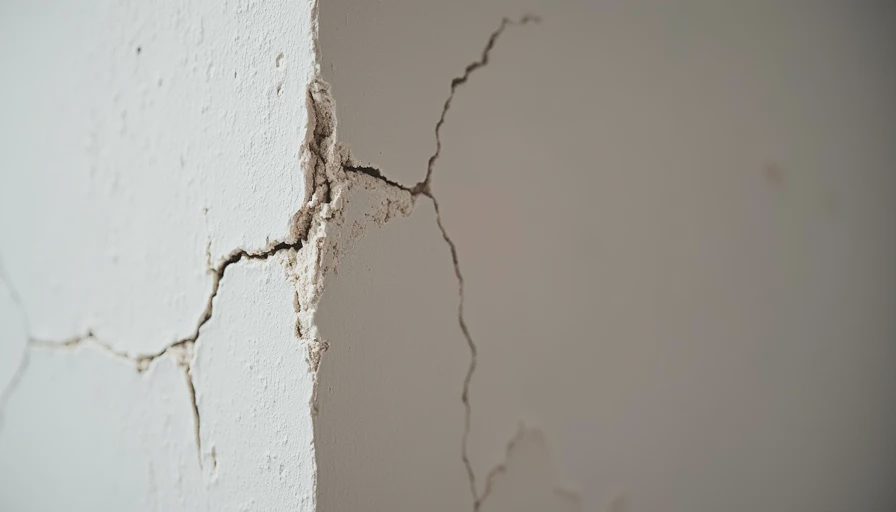
The sound is accompanied by visible cracks in drywall that are growing
You hear it consistently in the same location along with doors that suddenly stick or won’t close properly
There’s a loud bang followed by a creaking or groaning that continues
The sounds are coming from the foundation level or ceiling near load-bearing walls
You notice new cracks in the foundation or exterior brickwork
These can point to foundation movement, overloaded beams, or serious structural issues. In my claims days, the scary ones usually came with other warning signs — sticking doors, sloping floors, or visible cracks.
The Simple Diagnostic Process
Next time you hear it:
Note the exact location and time.
Check for visible cracks or movement in that area during daylight.
Monitor whether it happens only during temperature changes.
Walk the area above and below if possible.
If it persists or you see new cracks, call a professional inspector or structural engineer.
Most of the time you’ll confirm it’s normal settling. The peace of mind is worth the quick check.
Real Claim Story
One claim I handled involved a young family who heard loud cracking for months. They assumed it was normal. Eventually the master bedroom ceiling started sagging due to a roof truss issue that began with poor attic ventilation and heavy snow load. What started as occasional pops became a $14,000 repair. The early signs were there — they just didn’t know how to read them.
My Family’s Nighttime Sound Policy
We’ve turned it into a running joke at home. When we hear a random crack, one of the kids yells “House is just stretching!” It takes the fear out of it. But I still do my walks and keep an eye on things because I’ve seen what happens when you ignore the pattern.
A ten-minute check today saves a ten-thousand-dollar call tomorrow. Sometimes that ten-minute check is simply shining a flashlight along the baseboards and listening carefully during the day.
Don’t let mysterious nighttime sounds steal your sleep. Most of the time it’s just your house settling in for the night, the same way you do after a long day. But when it comes with other signs, listen closer.
Next time you hear that crack, take a breath, note it, and check it out in the morning. Your house is probably just talking in its sleep.
If you’re dealing with persistent sounds right now, describe them in the comments. I’ll help you figure out if it’s normal Colorado house symphony or something that needs attention.
Sleep well, friends. The house is probably fine.


No comments yet.