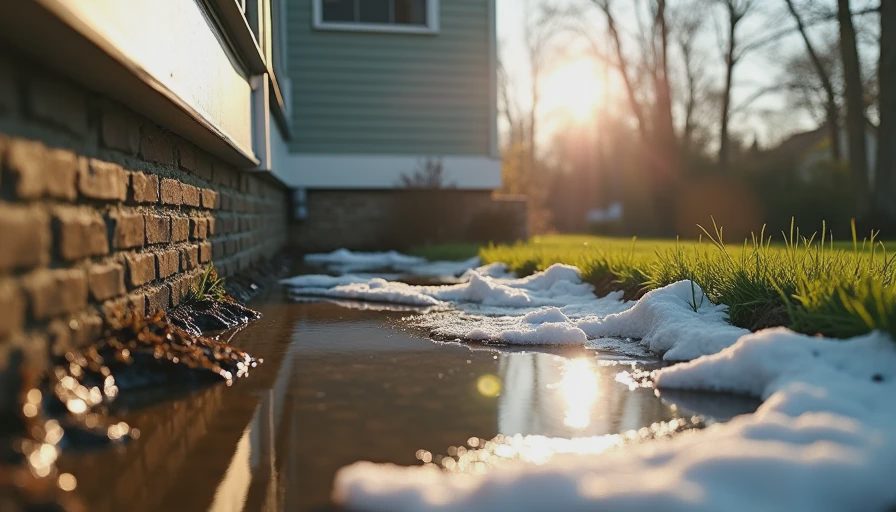
Spring in Colorado is glorious — until you realize all the winter damage is now visible and the ground is perfectly soft for digging. That brief window when the snow melts but the grass isn’t yet growing is the best time to spot problems that winter tried to hide.
After years of claims and inspections, I’ve learned that the spring thaw is like your house getting an X-ray. Here’s my proven 7-item checklist to walk while the ground is still wet.
1. Foundation and Grading Check
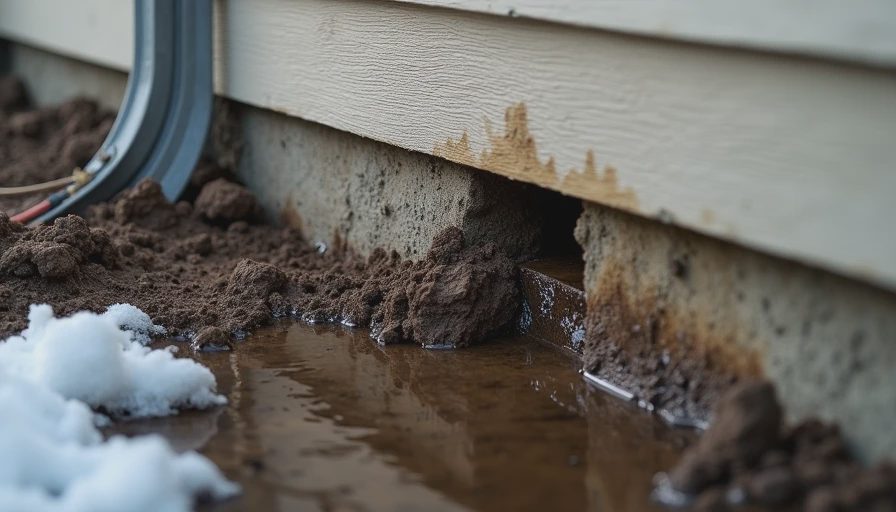
Walk the entire perimeter while the soil is soft.
Look for:
New or widened cracks in the foundation
Areas where water pooled against the house
Downspouts that emptied right next to the foundation
Soil that slopes toward instead of away from the house
Clay soils in the Front Range love to shift when they get saturated. Catching grading issues now prevents basement water problems in future storms.
2. Roof and Gutter Inspection After Snow Load
Winter snow and ice can do sneaky damage.
Look for missing or damaged shingles, especially on the north side
Check gutters for winter debris and ice dam remnants
Inspect flashing around chimneys and vents
Note any new stains on the soffit or fascia
I once had a claim where ice dams caused interior water damage that only became obvious during thaw. A quick spring look saved the next homeowner from repeating the story.
3. Exterior Wood and Siding
Moisture + wood = trouble.
Check decks, railings, and fences for rot or loose boards
Look at trim and siding near the ground for water wicking
Test railings for stability (they loosen over winter)
A $25 tube of caulk and some strategic painting now prevents $2,000 deck repairs later.
4. Sprinkler System Wake-Up
Before you turn the water on full blast:
Check for visible broken heads or cracked pipes
Look at the backflow preventer for leaks
Test zones one at a time
Adjust heads that got shifted by snow removal
Nothing is more annoying than discovering a broken sprinkler line after you’ve already planted flowers.
5. HVAC Transition Check
As you switch from heat to AC:
Replace the furnace filter one last time
Clean or replace AC condenser coils (they get dusty over winter)
Check outdoor unit for winter debris or animal nests
Test the system before the first heat wave
Colorado spring days can jump from 40°F to 80°F quickly. Don’t let your AC get surprised.
6. Windows, Doors, and Seals
Winter expansion/contraction affects everything.
Look for cracked caulk around windows
Test weatherstripping on doors
Check for new condensation or fogging between panes
Lubricate hinges and locks
Good seals keep allergens out and energy bills down.
7. Basement and Crawlspace Moisture Sweep
The most important one while the ground is wet.
Check for any new water stains or efflorescence on walls
Verify sump pump operation
Look at floor drains
Note humidity levels
This is when you’ll see the true impact of winter moisture. Act fast if you find anything new.
Bonus: The Things I Always Do With My Family
I turn the Spring Thaw Walkaround into a game with Noah and Maya. Noah hunts for cracks like a dinosaur bone expedition. Maya collects interesting rocks and leaves. Jen brings coffee and keeps us realistic about what we can actually fix ourselves.
It takes 45–90 minutes depending on your property size. Bring a notebook or use your phone voice notes. Take photos of anything questionable.
Why Spring Matters More Than You Think
The ground is soft, water patterns are visible, and problems haven’t yet been baked in by summer heat or hidden by landscaping. Fix things now while it’s easier and cheaper.
A ten-minute check today saves a ten-thousand-dollar call tomorrow. During spring thaw, that ten minutes might save you even more.
Print this checklist, grab the kids or your partner, and go walk your property this weekend while the ground is still telling tales. You’ll feel remarkably prepared for the season ahead.
What’s the weirdest thing you’ve ever found during spring cleanup? Share in the comments — I’ve probably seen it (or paid a claim on it).
Stay proactive, friends. Your house is waking up too.



No comments yet.