You are standing in the basement after a hard rain. The floor is dry, so you decide everything is fine. That is exactly when roof inspection services can earn their fee. A roof can take on water around a flashing joint, vent, or chimney long before a stain appears on the ceiling. By the time paint bubbles, the roof problem has often become an insulation, drywall, or flooring problem too.
I used to write checks for this. Now I write about it so you do not need the check. After eight years reviewing property claims, I saw the same pattern repeatedly: a small roof defect sat unnoticed through one season, then a windstorm or freeze turned it into a much larger loss. The inspection is not about finding a reason to spend money. It is about deciding whether the roof needs attention this week, this season, or not yet.
What roof inspection services actually examine
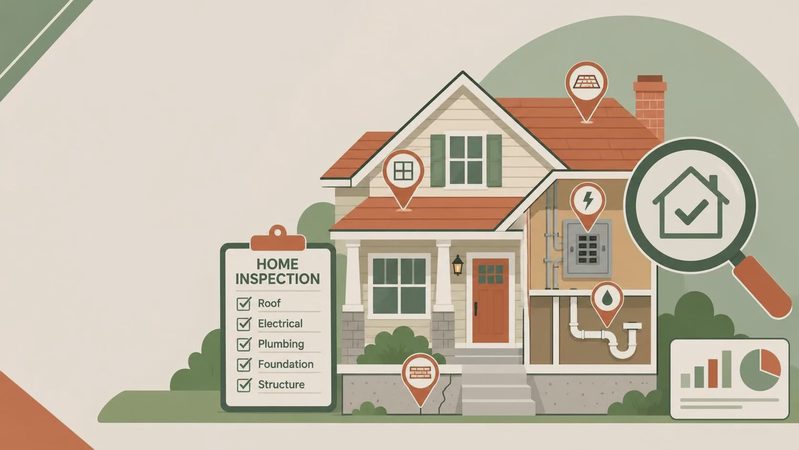
A useful inspection is more than a quick look at shingles from the driveway. The inspector should evaluate the roof covering, valleys, penetrations, flashing, gutters, visible vents, and areas where different materials meet. They should also look inside the attic when access is safe, checking for damp insulation, darkened wood, daylight, staining, and poor ventilation. The goal is to connect exterior clues with interior evidence.
That does not always mean walking on the roof. Steep slopes, brittle shingles, snow, and wet surfaces can make a ground or ladder-based inspection the safer choice. A competent inspector should explain the limitations instead of pretending to see through a roof from twenty feet away. Ask whether the report will include photographs, approximate remaining life, urgent concerns, and items that can be monitored.
Look for decision-quality language. “Several shingles are old” is less useful than “granule loss is concentrated on the south slope, with exposed fiberglass visible near the rear dormer.” The first statement creates worry. The second gives you a location and a reason to act.
When to schedule an inspection
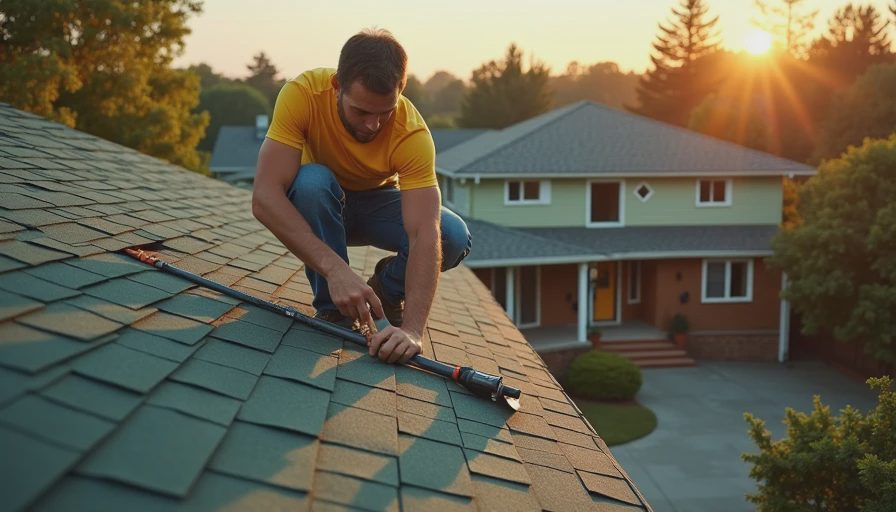
Book roof inspection services after a significant hail or wind event, even if you cannot see damage from the ground. Missing shingles are obvious; lifted edges, bruised tabs, cracked vent boots, and displaced flashing are not. If water enters during rain, schedule an evaluation promptly rather than waiting for the next storm to confirm it.
Timing also matters when buying or selling a home. A general home inspection can identify roof concerns, but a focused inspection is useful when the roof is older, difficult to access, or central to negotiations. If you are buying a house with a roof near the end of its expected service life, a written assessment can help separate a $300 maintenance item from a likely $10,000 to $25,000 replacement.
Seasonal scheduling is practical. In snow country, inspect after winter and before the next freeze cycle. In hot, sunny regions, look closely after the summer heat season, which can accelerate shingle aging and dry out sealants. Along the Gulf and Atlantic coasts, schedule after major wind events and keep an eye on corrosion around metal components.
What a roof inspection costs compared with a roof repair
Most roof inspection services cost roughly $150 to $400 for a standard single-family home, though size, height, access, and location can move that range. Some roofing companies offer a no-cost inspection when they are seeking replacement work. That can be useful, but treat the visit as a sales evaluation unless the scope and report are clear. An independent inspector may charge more while giving you a less product-focused opinion.
Minor repairs often land between $250 and $900. Replacing a few damaged shingles or resealing a flashing area is very different from correcting widespread installation problems. A partial repair may cost $1,000 to $3,000, while a full asphalt-shingle replacement commonly reaches $8,000 to $18,000 for an average home. Premium materials, steep roofs, multiple layers, and structural damage can push the number higher.
Case file 42 involved a slow leak around a plumbing vent. The homeowner saw a small tan mark and waited through the winter. By spring, wet insulation and damaged ceiling drywall had joined the bill. The roof repair was about $600; the interior restoration approached $4,500. That is not a reason to panic over every mark. It is a reason to investigate active moisture while the repair is still small.
Questions to ask before hiring someone
Before booking roof inspection services, ask who will perform the inspection, whether the person is insured, what areas are included, and whether you receive a written report. Ask how the inspector handles inaccessible areas and whether attic access is part of the fee. You should also ask if the company performs repairs. A repair company is not automatically unqualified, but separating diagnosis from sales can make the recommendation easier to judge.
The report should identify urgency. I like three categories: immediate water-control concern, maintenance or repair to schedule, and condition to monitor. It should also distinguish cosmetic wear from functional damage. Granule loss in a gutter is a clue, not proof that the entire roof has failed. One cracked shingle is different from a slope covered with brittle, curling material.
Do not accept a vague promise that the roof has “a few good years left.” Ask what evidence supports that estimate and what could shorten it. A roof with sound shingles but failing flashing deserves a different plan than one with widespread surface deterioration. Good roof inspection services give you a sequence, not just a scary photograph.

Roof findings and homeowners insurance
Insurance generally covers sudden, accidental damage from a covered event, such as wind or hail, subject to the policy and deductible. It usually does not cover gradual deterioration, poor maintenance, or a roof that simply reached the end of its useful life. A roof inspection cannot guarantee coverage, but dated photographs and a written condition report can help document what existed before a storm.
Do not file a claim for every aging shingle. If the repair is $700 and your deductible is $1,000, a claim is unlikely to help. If a severe storm caused widespread damage, contact your insurer before authorizing major work and preserve photos from the ground. Never let a contractor exaggerate damage to create a claim; that can create coverage and legal problems for you.
The ten-minute roof decision
Start from the ground and walk the exterior after the next dry day. Look for visible missing or lifted shingles, sagging lines, damaged metal, overflowing gutters, and new stains on ceilings or attic framing. You are not trying to diagnose the whole system. You are looking for a reason to move the inspection forward.
Call promptly when water is actively entering, a ceiling is bulging, a roof slope is sagging, or storm damage is widespread. Schedule within a few weeks for recurring stains, loose flashing, heavy granule accumulation, or a roof approaching the age when replacement is normally considered. If there are no warning signs and the roof is relatively young, routine documentation may be enough.
A ten-minute check today saves a ten-thousand-dollar call tomorrow. Walk the basement, glance into the attic if it is safely accessible, and book roof inspection services when the evidence says the roof needs a closer look.

No comments yet.