
You are standing in your insurance agent's office, or staring at an email that says your policy needs a 4 point inspection form. The request sounds simple until you realize it involves the roof, electrical system, plumbing, and heating or cooling equipment. I used to review the claims that followed these inspections. Now I explain what the form is really asking, where homeowners get surprised, and when a small repair is worth making before a carrier makes the decision for you.
A 4 point inspection form is a condition report used primarily for older homes, especially in parts of Florida and other states where insurers pay close attention to aging systems. It is not a full home inspection and it does not certify that your house is perfect. It gives an insurer a snapshot of four major areas that can create expensive claims.
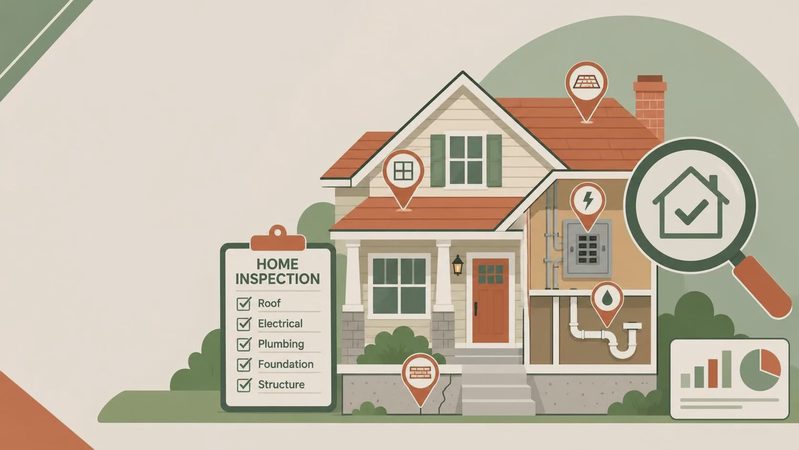
What the four points actually cover
The first point is the roof. An inspector typically documents the roof covering, approximate age, remaining useful life, visible damage, and signs of leaks. Asphalt shingles with curling edges, exposed underlayment, missing tabs, or dark water staining in the attic can trigger questions. A roof that looks acceptable from the driveway may still have brittle flashing or soft decking around a vent.
The second point is electrical. The report can include the service size, panel type, wiring material, visible modifications, and signs of unsafe conditions. Older panels, double-tapped breakers, aluminum branch wiring, and ungrounded outlets are common reasons an insurer asks for more information. The inspector is not simply checking whether the lights turn on; the concern is whether the system presents a predictable fire risk.
Plumbing is the third point. The inspector records supply and drain materials, water heater age, visible leaks, and evidence of past water damage. Polybutylene supply lines, corroded connections, a rusted water heater pan, or a slow leak under a vanity can matter. I once reviewed a claim where a $12 compression fitting had been dripping behind a cabinet for months. The eventual flooring, drywall, and cabinet bill was more than $6,000.
The fourth point is heating and cooling. Depending on the property and local practice, the report may identify the equipment type, approximate age, fuel source, visible defects, and whether it operates during the inspection. A 20-year-old air conditioner is not automatically unsafe, but an inspector may note a damaged disconnect, leaking refrigerant line, or furnace venting concern. A 4 point inspection form should describe observable conditions, not promise a specific number of years before failure.

Why an insurer requests the form
Insurance companies use this information to evaluate an older home's likelihood of a large property claim. A carrier may request the report when you buy a policy, renew coverage, change insurers, or purchase a house beyond a certain age. The exact requirements differ by carrier and state, so the request letter matters more than a generic internet checklist.
The outcome is not always cancellation. The insurer might accept the home as reported, ask for repairs, exclude certain losses, require a roof replacement, or decline to offer coverage. Sometimes the underwriter only needs a clearer document. A missing serial number or unreadable panel photo can delay a decision even when the system itself is sound.
Do not wait until the week before closing or renewal. Inspectors often charge roughly $150 to $350 for this type of report, with higher prices for large homes, difficult access, or extra documentation. A roof replacement can run from several thousand dollars to well over $15,000, while electrical corrections may range from a modest service call to a full panel or wiring project. Those numbers are unpleasant, but discovering them before a deadline gives you choices.
What to do before the inspection
Start by finding the age and service records for the roof, water heater, HVAC equipment, and electrical upgrades. Receipts, permits, installation stickers, and maintenance invoices are useful. Clear storage away from the electrical panel, attic access, water heater, and HVAC equipment. The inspector needs safe access to document conditions; blocked areas can be marked inaccessible, which may create another round of questions.
Walk the house slowly and look for evidence, not perfection. Check ceilings below bathrooms and near exterior walls for stains. Look under sinks for damp cabinet bottoms. Notice whether breakers trip, outlets feel loose, or an HVAC system makes a new grinding sound. Do not open panels or attempt repairs just to make the property look better. A qualified electrician, plumber, roofer, or HVAC technician should evaluate and correct technical problems.
I used to think a fresh coat of paint solved more than it did. It can hide a stain without stopping the leak. An inspector who sees a recently painted ceiling may ask for documentation or moisture testing. Honest records are usually more useful than cosmetic work performed two days before the visit.

How to read the completed report
When you receive the 4 point inspection form, review every section for accuracy before sending it to an insurer. Confirm the address, roof material, installation dates, panel description, plumbing materials, and equipment details. Look at the photographs. If the report says “not visible” or “unable to determine,” ask whether a safe follow-up inspection can provide the missing information.
Separate urgent hazards from ordinary age. A roof near the end of its expected life deserves a budget and a replacement timeline, but active water entry is a faster concern. A dated water heater is different from one leaking at the base. An older electrical panel is different from a panel with heat damage or unsafe alterations. The wording and photos should help the insurer distinguish those situations.
If a correction is requested, get a written scope and at least one qualified estimate. For a $250 plumbing repair, delaying may make little financial sense when it could hold up coverage. For a $12,000 roof, ask the carrier whether a temporary repair, proof of scheduled replacement, or another underwriting option is acceptable. Do not assume every contractor's recommendation is required by the form; compare the request with the actual reported condition.
Common mistakes that cost homeowners time
The most common mistake is hiring someone who does not understand insurance documentation. A general handyman may spot a loose fitting, but the insurer may need a licensed trade professional's letter, permit record, or specific photograph. Another mistake is submitting an old report after the carrier requested a current one. Ask how recent the inspection must be before scheduling it.
Homeowners also confuse a 4 point inspection form with a wind mitigation report, a full buyer's inspection, or a code-compliance certificate. These documents serve different purposes. A wind report focuses on features that reduce wind damage. A full inspection examines many more components, such as structure, drainage, appliances, and safety conditions. One document may support another, but it cannot automatically replace it.
Finally, do not ignore an unfavorable finding because the house has been insured for years. Insurance is not a maintenance contract. Claims can be complicated when long-term deterioration, repeated seepage, or neglected defects are involved. Fixing a clear problem before it becomes a covered-loss dispute is usually cheaper and less stressful.
A practical decision timeline
Today, locate your insurer's request and highlight the deadline. This week, book a qualified inspector and gather records. Before the appointment, clear access and photograph existing conditions for your own files. After receiving the 4 point inspection form, correct factual errors immediately and rank repairs by safety, active damage, underwriting urgency, and cost.
Case file after case file taught me the same lesson: a small defect is easiest to solve while it is still visible, accessible, and inexpensive. A ten-minute check today saves a ten-thousand-dollar call tomorrow. Open the request email, walk to your electrical panel and water heater, and start the inspection file before the deadline does it for you.

No comments yet.