You are standing in the basement of a house you might buy. The floor is dry, the walls look freshly painted, and the seller's disclosure says "no known issues." That is exactly when a pre purchase home inspection earns its fee. I used to write checks for water damage and failed systems as a claims adjuster. Now I look for the small conditions that turn into those checks.
A typical inspection costs roughly $350 to $800 for a single-family home, depending on size and location. That sounds expensive until you compare it with a $9,000 sewer replacement, a $14,000 roof, or several thousand dollars in hidden moisture damage. An inspection is not a guarantee and it does not uncover every concealed defect. It gives you information while you still have negotiating power.
What a Pre Purchase Home Inspection Actually Covers
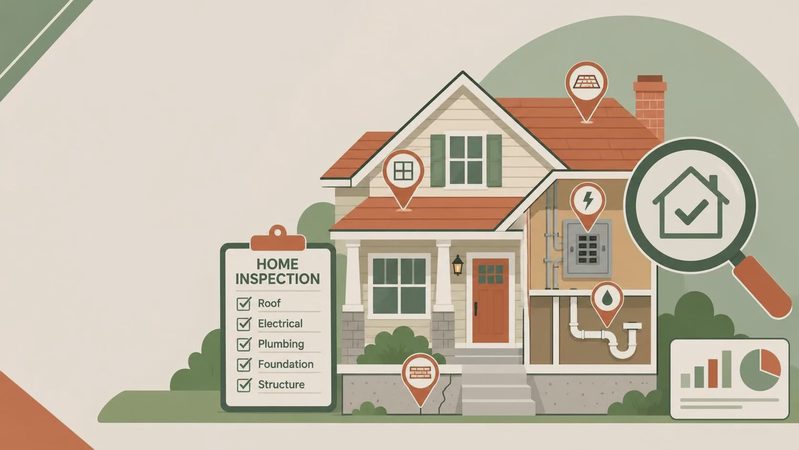
A qualified inspector generally examines the roof surface, attic, foundation, structure, exterior drainage, plumbing, electrical components, heating and cooling equipment, insulation, ventilation, windows, doors, and visible interior conditions. The inspector operates systems normally, but does not tear into walls, move heavy furniture, dismantle equipment, or certify future performance.
That limitation matters. If a bathroom wall has been recently painted, the inspector may see a clean surface but cannot know whether a leak was covered up without additional evidence. Ask how the inspector handles inaccessible areas and read the inspection agreement before scheduling. A good report should identify the condition, explain why it matters, and recommend an appropriate next step rather than simply label everything defective.
Attend the inspection if possible. You will learn which shutoff controls the main water line, where the electrical panel is located, and whether the crawlspace smells damp. You also get to ask why a crack matters instead of trying to interpret a photograph later.
The Expensive Problems Hiding in Plain Sight
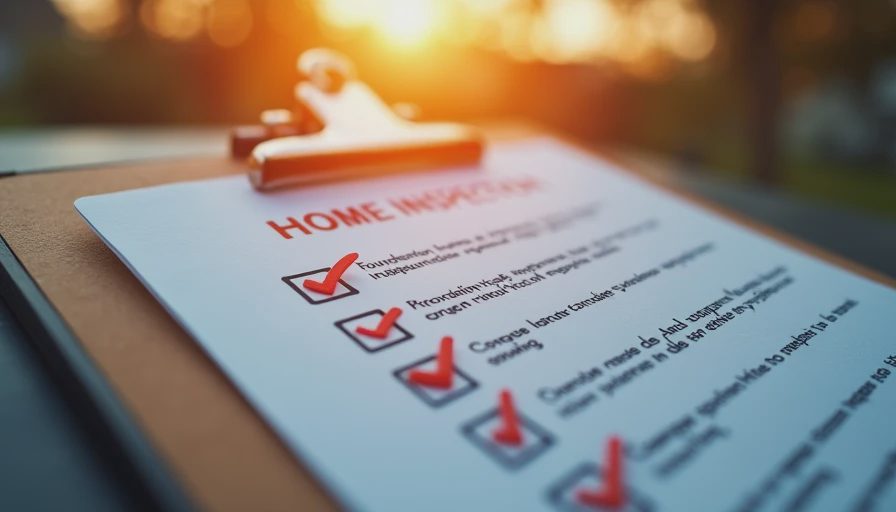
Some findings deserve more attention than a long list of cosmetic comments. Roof wear, active plumbing leaks, unsafe electrical conditions, drainage problems, structural movement, and failing heating or cooling equipment can affect your budget immediately.
I remember a claim involving a toilet that rocked slightly on its base. The bathroom looked fine, and the homeowner assumed the movement was harmless. Months later, water had damaged the subfloor and ceiling below. The repair reached about $8,600 because the original warning was ignored. During a pre purchase home inspection, a loose toilet, stained cabinet bottom, or soft floor is not a minor detail to wave away. It is a reason to ask for a specialist evaluation or a repair estimate.
Exterior drainage is another high-value check. Gutters that discharge beside the foundation can contribute to basement seepage and soil movement. A downspout extension may cost little, while correcting a damaged foundation or replacing finished basement materials can cost thousands. The inspection is partly about finding failures and partly about spotting the path from a small condition to a large bill.
How to Read the Report Without Panicking
Inspection reports often contain dozens of observations. That does not mean the house is falling apart. Inspectors document ordinary maintenance items, such as a missing handrail or a dirty furnace filter, alongside serious concerns. Sort the findings into three groups: safety, active damage or water intrusion, and routine maintenance.
Safety issues should receive prompt attention. Examples include exposed wiring, missing guards, nonfunctional smoke detectors, or a furnace that cannot vent properly. Active water problems deserve similar focus because moisture spreads quietly behind finishes. Routine maintenance can usually be priced and scheduled after closing.
For each major finding, ask four questions: Is the problem active? Could it damage another part of the house? What professional should evaluate it? What is a reasonable repair range? A pre purchase home inspection report is most useful when it helps you answer those questions, not when it gives you a reason to demand that every old component be replaced.

When to Hire a Specialist
A general inspector is a strong first filter, but some findings need a second opinion. If the roof is near the end of its expected service life, hire a roofer for a closer assessment. If the panel shows outdated or questionable wiring, use a licensed electrician. For structural cracks, leaning walls, or significant settlement, ask a structural engineer rather than relying on a contractor whose business depends on selling repairs.
The same rule applies to sewer lines, wells, septic systems, chimneys, and underground oil tanks. These items are often outside a standard inspection's scope or require specialized equipment. Spending $200 to $700 on targeted testing can be sensible when the alternative is discovering a $10,000 problem after closing.
Do not order every possible test automatically. Let the property's age, location, visible conditions, and inspection findings guide the decision. Paying $5,000 to prevent a hypothetical $200 maintenance task is not prevention; it is overspending.
Negotiating Repairs After the Inspection
The inspection is not a demand sheet. It is evidence for a conversation with the seller. Focus on conditions that affect safety, habitability, water intrusion, structure, or major systems. A pre purchase home inspection may justify asking for a licensed repair, a closing credit, a price reduction, or permission to cancel under the terms of your contract.
A credit can be more practical than asking the seller to complete work quickly with the cheapest available contractor. For example, if a roof evaluation suggests replacement is needed soon, a $12,000 credit might preserve your ability to choose the roofer and materials. Your lender and closing agent will determine how credits can be applied, so put agreements in writing.
Get realistic local estimates before negotiating a large amount. A report that says "repair roof" does not establish whether the job costs $4,000 or $18,000. Estimates turn a frightening phrase into a decision you can compare with the home's price and your cash reserves.
A Simple Decision Before You Close
After the inspection, calculate the first-year repair budget. Include urgent work, deferred maintenance, and a reserve for surprises. A newer home might need $2,000 for drainage and minor corrections; an older home with original mechanical systems could reasonably require $10,000 or more. You do not need a perfect house. You need a house whose known conditions fit your budget.
Ask whether the seller is transparent, whether specialists agree with the report, and whether the repair timeline interferes with your move. A pre purchase home inspection cannot predict every breakdown, but it can show whether you are buying manageable maintenance or inheriting a stack of expensive unknowns.
I used to think a clean-looking basement meant a low-risk house. Field inspections corrected that assumption. I now look at the grading outside, the ceiling joists, the pipe connections, and the age of the equipment before I trust the paint and staging.
Book the inspection, attend it, and write down the three findings that could cost the most. Then price those findings before your inspection deadline expires. A ten-minute check today saves a ten-thousand-dollar call tomorrow.

No comments yet.