
Fall in Colorado is beautiful — golden aspens, crisp air, that perfect trail-running weather. But it’s also when houses start whispering their little warnings before winter slams the door shut. I learned this the hard way adjusting claims: the majority of winter-related losses don’t happen in January. They start in October when homeowners are busy with school, football, and pumpkin spice everything.
I’m Mark Shepherd — former claims adjuster, current home inspector, and the guy who’d rather you not join the “I wish I’d checked” club. Let’s do a proper Fall Walkaround together. These eight things take about 45–60 minutes total and can save you serious money before the heater kicks on full blast.
1. Gutters and Downspouts: Your Roof’s First Line of Defense
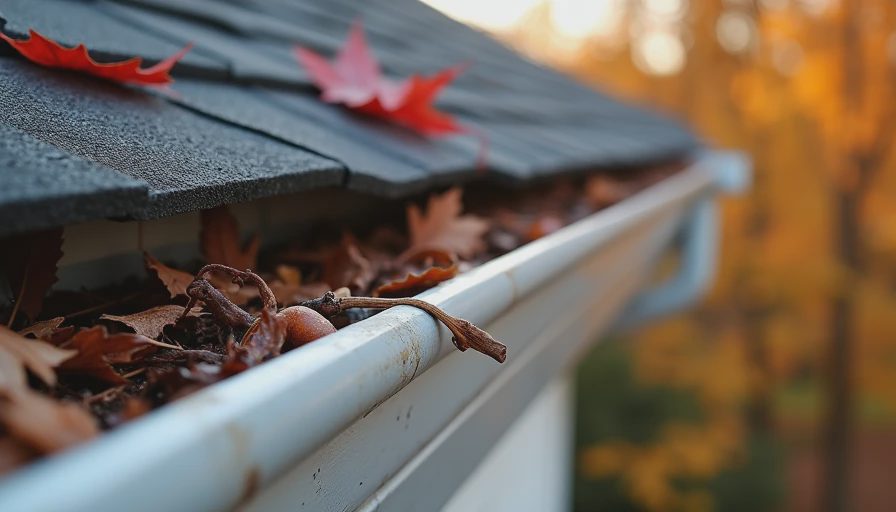
Start here because clogged gutters are the silent killers of foundations and siding. Grab a ladder (safely) or use a gutter cleaning tool on a pole.
Look for:
Leaves, twigs, and those damn cottonwood seeds packed in tight.
Sagging sections or detached downspouts.
Evidence of past overflow — staining on the fascia or ground erosion below.
My rule of thumb: If you can’t see the bottom of the gutter clearly, clean it. In Denver metro, twice a year is minimum. I once saw a claim where a single clogged downspout directed water straight into the foundation for one season — $11,400 later. Don’t be that story.
Action today: Clean or schedule it. Bonus: While you’re up there, glance at the roof edges for missing shingles.
2. Furnace and Heating System: Wake It Up Gently
Most people wait until the first freeze to flip the switch, then panic when nothing happens. Don’t.
Replace the air filter (seriously, do it now — the cheap $8 kind is fine for starters).
Check vents and registers for blockages from summer furniture rearranging.
Listen when you turn the thermostat up: grinding, banging, or whistling means “call a pro before it gets worse.”
Look at the exhaust flue (if visible) for any soot or corrosion.
I used to see this claim weekly: “Furnace was fine last year!” Yeah, until it wasn’t. A quick professional tune-up in fall usually runs $120–180 and can extend life dramatically. My personal spreadsheet says it’s almost always worth it.
3. Exterior Water Sources: Shut Them Down Right
Hose bibs, irrigation systems, and outdoor faucets are sneaky.
Disconnect and drain all garden hoses.
Shut off interior valves to outdoor spigots and open the faucets outside to drain remaining water.
Insulate any exposed pipes in unheated garages or crawlspaces.
That one year I saw multiple burst pipe claims in early November because someone left the drip irrigation on “just in case.” Winter doesn’t negotiate.
4. Roof and Attic Inspection Lite
You don’t need to be a daredevil, but a quick look pays off.
From the ground, use binoculars to scan for missing or curling shingles.
Check flashing around chimneys and vents.
If safe and accessible, peek in the attic for:
Dark stains on rafters (old leaks)
Proper insulation coverage
Any critter evidence (they love fall moving season)
The attic really is the most honest room in the house. It sees everything before the rest of us do.
5. Windows and Doors: Seal the Drafts
Winter wind loves finding gaps.
Check weatherstripping on doors and windows. If it’s cracked or missing, replace it (cheap and easy).
Look for condensation between panes — that means a failed seal and future energy loss.
Test locks and ensure everything closes tightly.
A little caulk and some door sweeps can cut your heating bill noticeably. Plus, your family will thank you when the house stays cozy without the furnace running non-stop.
6. Chimney and Fireplace Check
If you have one, now’s the time.
Schedule a professional chimney sweep if it hasn’t been done in a year or more.
Inspect the firebox and damper for damage.
Clear any debris from the hearth area.
Nothing ruins a cozy fire like a chimney fire or carbon monoxide scare. I’ve seen the aftermath — not pretty.
7. Foundation and Grading: Keep Water Away
Water flowing toward the house is the enemy.
Walk the perimeter after a rain (or simulate with a hose).
Ensure soil slopes away from the foundation.
Check for new cracks wider than a credit card.
Clear debris from window wells.
In my inspection days, I can’t tell you how many “mystery” basement leaks were just poor grading that developed over a couple seasons.
8. Smoke and Carbon Monoxide Detectors: The Non-Negotiable
Change the batteries. Test every unit. Replace any that are over 10 years old.
I know it’s boring. But I’ve read the claim files where a $40 detector could have prevented tragedy or at least major smoke damage. Do it while you’re thinking about it.
Bonus: The “While You’re At It” Items
Trim back any tree limbs touching the roof or siding.
Check your sump pump (if you have one) by pouring water in the pit.
Locate your main water shutoff and test it.
Update your emergency contacts and make sure your insurance policy is current.
Why Fall Matters More Than You Think
Fall isn’t just pretty colors — it’s the transition season where small issues turn into expensive winter emergencies. A little attention now means fewer panicked calls in January when it’s 10 degrees and the furnace dies.
My wife Jen laughs because I do this walkaround like a ritual. Noah helps (mostly by asking why leaves clog gutters), and Maya “supervises” from a safe distance. It’s become family time that also protects our biggest investment.
A ten-minute check today saves a ten-thousand-dollar call tomorrow. Sometimes that check stretches to an hour, but the peace of mind is worth every minute.
Print this checklist, grab a notebook, and walk your property this weekend. Take notes. You’ll sleep better when the first snow flies.
And if you find something weird — that strange smell, odd sound, or mystery stain — drop it in the comments. I’ve probably seen it before.
Stay warm out there, friends. Winter’s coming, but you’ll be ready.



No comments yet.