
Nothing is more annoying than having one room that feels like a walk-in freezer while the rest of the house is perfectly comfortable. I see this complaint frequently during inspections and hear it even more from homeowners.
After investigating hundreds of these situations, here are the most common causes and the logical order to check them.
Start With the Easy and Obvious
Closed or Blocked Vents:
The simplest fix is often the most overlooked. Furniture, rugs, or curtains blocking supply or return vents can create major temperature imbalances.
Dirty or Clogged Filters:
A severely restricted air filter forces the system to work harder and can cause uneven distribution. Change it first if it’s been a while.
Closed Interior Doors:
In homes with central HVAC, keeping doors open helps air circulate. Constantly closed bedroom doors can create pressure differences and temperature swings.
Next Level Checks
Ductwork Issues:
This is where many problems hide:
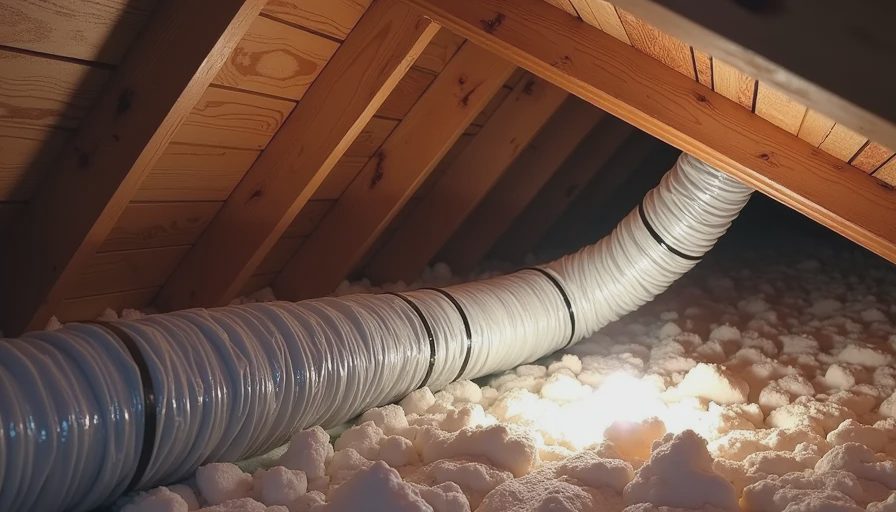
Leaky or disconnected ducts in the attic or crawlspace
Collapsed flexible duct runs
Poorly designed or installed duct layout
Insufficient insulation on ducts in unconditioned spaces
I’ve found fully disconnected supply ducts in attics that were dumping conditioned air into the wrong places.
Register and Damper Problems:
Some registers have built-in dampers that get accidentally closed. Older homes sometimes have dampers in the duct runs that were never properly adjusted.
When It’s More Serious
HVAC System Design or Capacity:
The system might simply be undersized or poorly zoned for your home’s layout. This is common in additions or major renovations.
Insulation and Envelope Problems:
Poor insulation in exterior walls or air sealing issues can make certain rooms much colder. Windows with failed seals are another frequent culprit.
Mechanical Failure:
Failing blower motor, low refrigerant (in heat pumps), or zoning damper malfunctions can cause specific rooms to get less air.
My Troubleshooting Sequence
Change the filter and check all vents/registers
Walk the house with doors open and note temperature differences
Check the attic or crawlspace for obvious duct problems (if accessible)
Test different thermostat settings and fan modes
Call an HVAC professional if the problem persists
In one memorable claim, the homeowners had been dealing with a freezing guest bedroom for two winters. The fix was a disconnected duct in the attic that took a technician 30 minutes to repair. The delay cost them comfort and higher energy bills the whole time.
Prevention for the Future
Annual HVAC maintenance including duct inspection
Proper furniture placement that doesn’t block airflow
Good attic insulation and sealing
Balanced duct system from the beginning
A ten-minute check today saves a ten-thousand-dollar call tomorrow. Temperature imbalance troubleshooting often starts with simple ten-minute checks around the house.
Next time you notice a room that’s always too hot or too cold, start with the basics before assuming major mechanical failure. Most of the time the solution is simpler (and cheaper) than you think.
If you’re currently dealing with a cold (or hot) room mystery, describe your house layout and symptoms in the comments. I’ll try to point you in the right direction based on what I’ve seen in the field.
Your HVAC system is trying to tell you something. Listen to the temperature differences — they usually have a logical explanation.


No comments yet.