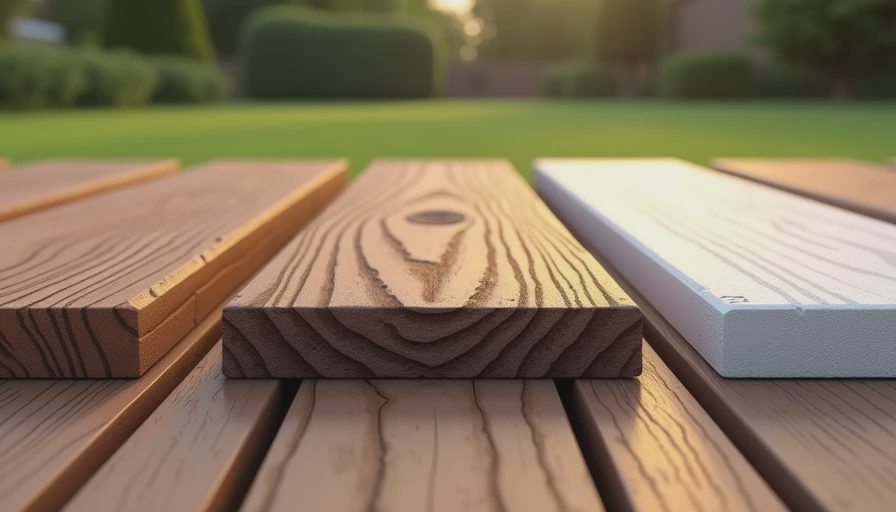
Decks are one of those home features that look fantastic when new but can become expensive headaches if neglected. Homeowners often ask me during inspections how long their deck will actually last. The answer depends heavily on material and maintenance.
Here’s the practical breakdown from years of field observations.
Tier 1: Traditional Wood Decks
Realistic lifespan: 15–25 years with good maintenance, 8–15 years with poor care.
Pressure-treated lumber is still the most common material. It’s affordable upfront but demands regular attention.
Key factors:
Annual cleaning and sealing/staining (every 1–3 years)
Prompt repair of loose boards or fasteners
Proper flashing where deck meets house
Good drainage underneath to prevent moisture buildup
I’ve seen beautiful cedar decks lasting 30+ years with diligent owners, and pressure-treated decks rotting from below after just 10 years due to poor construction details.
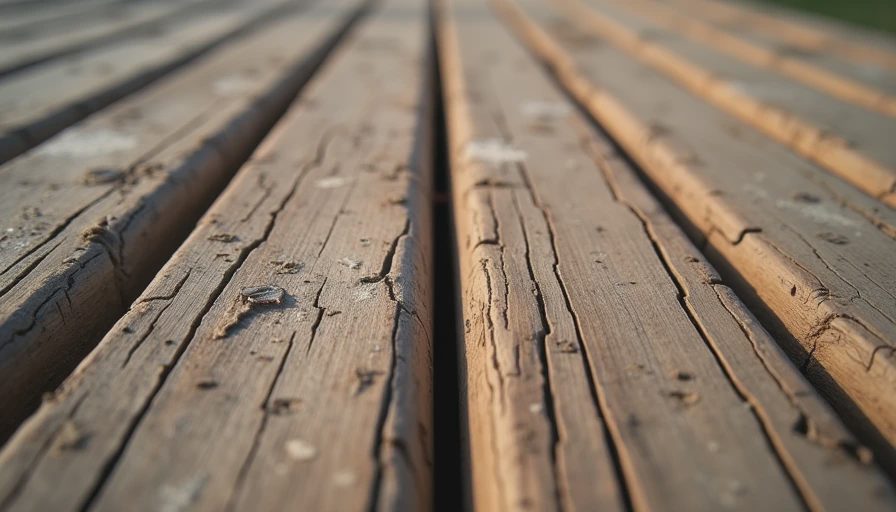
Tier 2: Composite Decks
Realistic lifespan: 20–30+ years with moderate maintenance.
Composite (wood-plastic mix) offers better resistance to rot and insects but isn’t maintenance-free.
What to watch for:
Fading and color change over time
Scratching and staining from furniture
Expansion/contraction with temperature swings
Mold and mildew in shaded or damp areas
Higher-quality composites with better warranties tend to perform closer to the upper end of that range. Cheaper ones can look tired after 10–12 years.
Tier 3: PVC / Cellular PVC Decks
Realistic lifespan: 25–40+ years with minimal maintenance.
PVC decks are the most durable and lowest-maintenance option but come with a higher upfront cost.
Advantages:
Excellent resistance to moisture, insects, and fading
Easy to clean
Very stable dimensionally
Minimal warping or cracking
The trade-off is initial expense and sometimes a more “plastic” look and feel that some homeowners don’t prefer.
The Maintenance Reality Check
No matter the material, proper construction makes the biggest difference:
Adequate joist spacing and flashing
Good airflow underneath
Proper fasteners for the material
Regular cleaning to prevent debris buildup
I’ve inspected decks where the material was high-quality but poor installation led to early failure. I’ve also seen basic pressure-treated decks that were still rock-solid after 25 years because the owner stayed on top of maintenance.
Cost-Per-Year Math
When running the numbers, factor in:
Initial installation cost
Annual maintenance expenses
Expected lifespan
Potential repair or replacement costs
A well-maintained wood deck can be very cost-effective over time. A premium PVC deck offers the best long-term value if you plan to stay in the home long-term.
My Personal Deck Approach
We have a pressure-treated deck with a composite top surface. I inspect it every spring and fall, clean it regularly, and address small issues immediately. The kids love it for dinosaur battles and summer dinners, so I want it to last as long as possible.
A ten-minute check today saves a ten-thousand-dollar call tomorrow. For decks, those regular ten-minute inspections and seasonal cleanings prevent much larger headaches down the road.
Next time you’re on your deck, take a few minutes to really look at it. Check connections, look underneath if possible, and note any soft spots or loose boards. Early attention pays off big.
What material is your current deck? How old is it? Share in the comments — I’m always interested in real-world performance data.
Your deck should be an enjoyable part of your home for decades. Take care of it, and it will take care of you and your family.
No comments yet.