
You move into a brand-new house expecting clean walls, quiet mechanical systems, and nothing more serious than a crooked cabinet handle. Then the first hard rain arrives, and water appears beside the garage. This is exactly why a new home warranty inspection matters. Builders have warranty procedures and deadlines, but those protections only help when you find problems, document them, and report them in time.
I used to write checks for water damage claims. Now I inspect newer homes and see the same pattern: buyers notice cosmetic defects immediately, while the expensive warning signs stay hidden. A loose toilet connection, negative grading, or missing attic insulation can sit quietly until the builder's warranty period is nearly over. Your goal is not to prove the house is defective. It is to create a clear list of issues while the builder still has a reason to correct them.
Why a New Home Warranty Inspection Is Worth the Cost
A builder's final walkthrough is not the same as an independent inspection. The walkthrough usually focuses on finishes, appliances, and whether doors open. An independent inspector evaluates drainage, roofing surfaces, attic ventilation, foundation conditions, electrical components, plumbing fixtures, heating and cooling equipment, and visible structural concerns.
A typical inspection might cost roughly $300 to $600, depending on the home's size and location. That can sound unnecessary after spending hundreds of thousands of dollars on a new house. It is cheap beside the cost of correcting a poorly sloped yard, replacing damaged flooring, or investigating a leak after drywall has absorbed water for months.
Case file from my inspection notes: a couple noticed a faint brown mark beneath an upstairs bathroom. The builder painted it, and everyone moved on. A later inspection found a slow leak at the toilet supply connection and damp subflooring. The repair was manageable because it was caught early. Ignored longer, the bill could have included flooring, trim, drying equipment, and mold assessment.
The timing matters. Some builders provide a one-year workmanship warranty, while structural coverage can last longer and manufacturer warranties cover specific equipment. The exact terms vary, so read your contract and warranty documents rather than relying on a sales conversation.
What the Inspector Should Examine
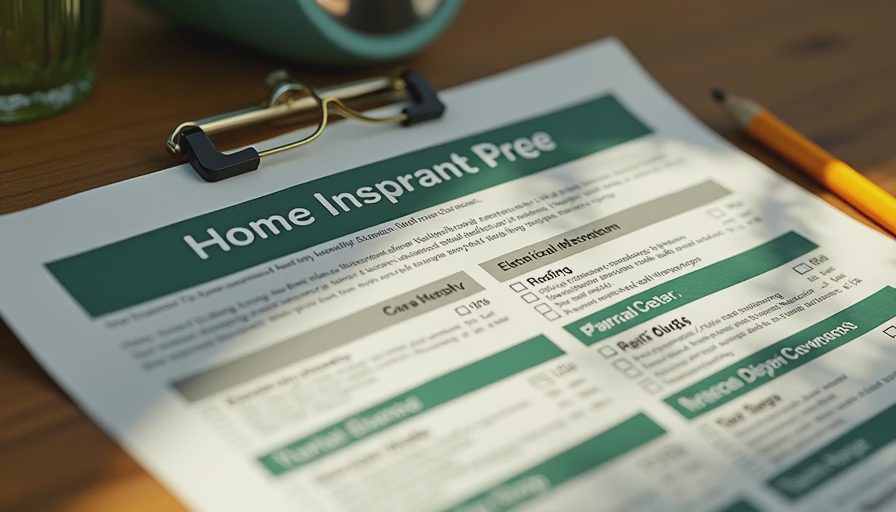
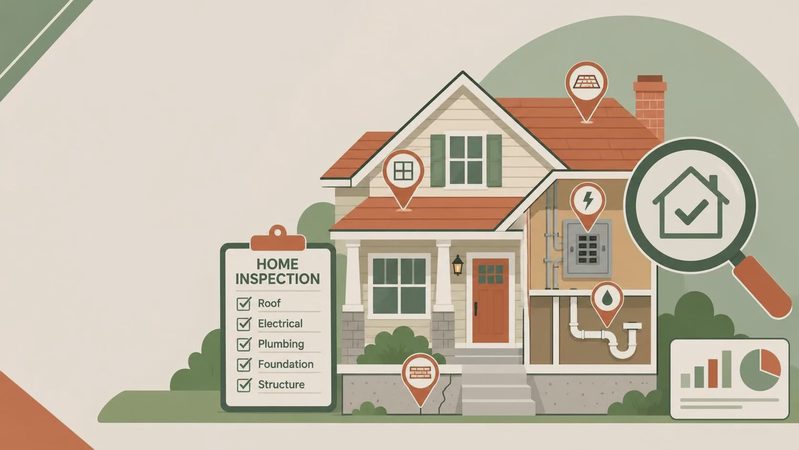
A useful new home warranty inspection should be systematic, not a fast walk through with a roll of painter's tape. The inspector should look at the roof from accessible areas, examine flashing and penetrations, and check attic insulation for gaps, compressed sections, or blocked ventilation. They should also inspect visible foundation walls, exterior siding, windows, doors, decks, and the areas where water meets the building.
Drainage deserves special attention. Fresh landscaping can hide a simple problem: soil that slopes toward the foundation instead of away from it. After rain, look for standing water near walls, damp crawlspace areas, or mulch piled against siding. A puddle smaller than a dinner plate that dries within four hours is usually a monitor-and-document issue. Water that remains the next day or enters the house deserves prompt attention.
Inside, the inspector should test representative outlets, verify that bathroom exhaust fans operate, check plumbing fixtures for leaks, and observe heating and cooling performance. They are not performing a destructive investigation, so hidden defects can remain outside the inspection's scope. That limitation is normal. The value comes from finding visible and accessible problems before they become expensive.
Ask for photographs and specific locations in the report. “Water issue at rear” is weak documentation. “Moisture staining on drywall below the second-floor hall bathroom, approximately two feet from the exterior wall” gives the builder a usable starting point.
The Problems That Commonly Get Missed
New construction often looks perfect because every surface is fresh. Fresh paint can conceal drywall repairs, trim can cover uneven flooring, and clean mechanical rooms can distract from missing labels or incomplete insulation. I used to think older homes were automatically the greater inspection risk. Fieldwork changed my mind. New homes have fewer years of wear, but rushed installation can create concentrated defects.
Watch for doors that swing open or closed on their own, cracks that continue across drywall and trim, windows that do not lock smoothly, and floors that feel noticeably uneven. Check around water heaters, washing machine connections, refrigerator lines, and under every sink. A slow drip may not create a dramatic puddle; it can swell cabinet bases and damage flooring over time.
In the attic, missing insulation around recessed lights, bathroom fans venting into the space, and disconnected ductwork deserve a written report. In the garage, inspect the fire-rated separation between the garage and living area for visible gaps or damaged doors. Do not turn the inspection into a repair project. Your job is to identify, photograph, and prioritize.
An HVAC concern also deserves clarity. Uneven temperatures can come from balancing, insulation, duct leakage, or equipment problems. Record the room, the temperature difference, and the conditions when you noticed it. That is more useful than writing “air conditioning seems weak.”
How to Turn Findings Into a Warranty Request
Start with a simple spreadsheet or document containing five columns: location, observed condition, photo number, urgency, and builder response. Group related items, but keep each defect specific. “Repair grading at the left side of the house so water drains away from the foundation” is actionable. “Fix yard” is not.
Prioritize water intrusion, electrical safety concerns, heating and cooling failures, active plumbing leaks, roof defects, and conditions that could worsen behind finished surfaces. Cosmetic issues still matter, but a paint touch-up should not receive the same urgency as water entering a wall cavity.
Send the report through the builder's required channel and keep confirmation that it was received. Save emails, photographs, inspection reports, work orders, and completion dates. When a contractor says an item is fixed, inspect the result during the builder's follow-up visit. A patch is not necessarily a repair; the underlying source must be addressed.
For example, if a ceiling stain is painted but the plumbing connection is not checked, the visible symptom has been covered rather than corrected. Ask what caused the issue, what was done, and whether any damaged materials were evaluated. Stay factual and calm. Clear documentation usually gets better results than a long list of general complaints.
A Practical Inspection Schedule
The best new home warranty inspection is not always a single appointment. Consider an inspection before closing if the builder permits it, then another near the end of the first warranty year. The pre-closing visit can identify unfinished work, while the later inspection catches seasonal problems such as drainage, heating performance, settlement cracks, and roof leaks after weather exposure.
Between those appointments, walk the property after a heavy rain and during the first heating and cooling season. Look at the basement or crawlspace, attic access area, utility closets, and exterior walls. Notice smells, staining, unusual sounds, and rooms that are consistently too hot or cold. Write down dates instead of trusting memory.
If you find a defect, do not wait for a convenient month. A small ceiling stain can be watched briefly only when it is dry and stable. Active dripping, expanding stains, wet insulation, sewage odors, or repeated breaker trips should be reported promptly and evaluated by an appropriate professional.
What This Inspection Will Not Do
A new home warranty inspection cannot guarantee that every hidden defect will be found. Inspectors generally do not open walls, move permanently installed equipment, excavate foundations, or certify future performance. They report observable conditions at a particular point in time.
That is still valuable. Think of the inspection like a trail check before a long run: you are looking for the loose rock that could turn a normal day into an injury, not proving that every step ahead is safe. The report gives you a baseline, a prioritized list, and evidence for a warranty conversation.
A ten-minute check today saves a ten-thousand-dollar call tomorrow. Schedule the inspection before your warranty deadline, walk the house after the next rain, and document every concern with a location, photograph, and date.

No comments yet.