You come home from a weekend away, turn on the kitchen faucet, and nothing comes out. Or you hear a strange whistling from the wall when the heat kicks on. If you've ever dealt with subfreezing temps, you know that sinking feeling: pipes might be frozen. I've written checks for the aftermath of frozen pipes more times than I can count—some for a few hundred dollars, others pushing $50,000. The difference between those two numbers is usually knowing what to do when pipes freeze the moment you suspect it.
Let me walk you through exactly what to do when pipes freeze, what not to do, and how to tell if you're about to have a small problem or a large one. This isn't a repair manual—it's a decision guide based on thousands of claims files.
What's Actually Happening Inside the Pipe
Water expands by about 9% when it turns to ice. That expansion creates immense pressure—up to 40,000 psi in a confined space. The pipe doesn't burst because the ice block expands; it bursts because the pressure forces the pipe wall to split downstream or upstream of the ice. Most bursts happen after the ice thaws, when water finds the weakened spot. That's why what to do when pipes freeze matters so much: the thaw is when the real damage shows up.
Immediate Steps: What to Do When Pipes Freeze Right Now
If you suspect a frozen pipe, act fast but don't panic. Here's the order of operations I've seen work best:
- Keep the faucet open. Leave the cold water tap on that's fed by the frozen pipe—even a trickle creates pressure relief and helps melt the ice faster.
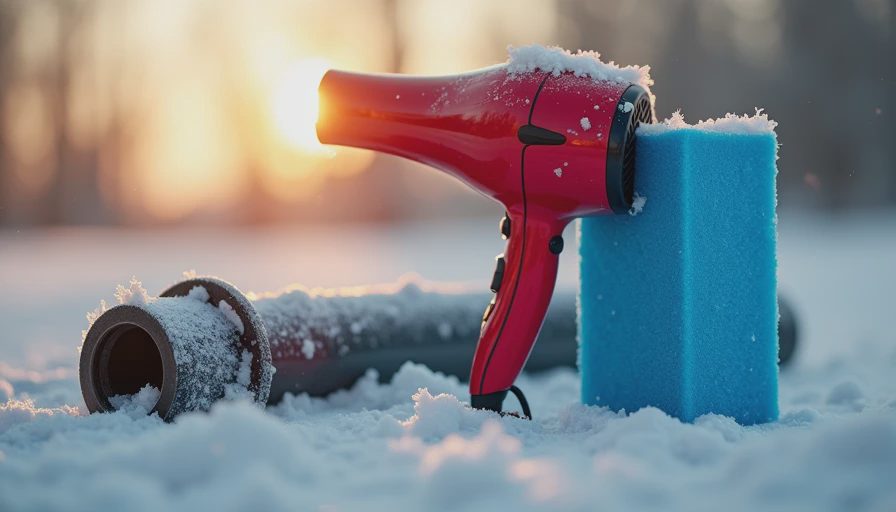
- Apply gentle heat. Use a hair dryer, space heater (kept away from combustibles), or heating pad. Start nearest the faucet and work toward the frozen section. Never use an open flame—I've seen more than one house fire from a homeowner with a blowtorch.
- Check other faucets. If one pipe is frozen, others may be close behind. Run every cold water faucet in the house to see which are flowing freely. That tells you how widespread the problem is.
- Shut off the water if you see a leak. If you spot water dripping from a pipe or a bulge in the pipe wall, close the main shutoff valve immediately. That bulge means the pipe is about to burst—knowing what to do when pipes freeze includes knowing when to stop the water flow.
Don't pour boiling water down a drain—that can crack porcelain or melt PVC pipes. Gentle, even heat is the key.

When to Call a Plumber (and When Not To)
One of the hardest parts of what to do when pipes freeze is knowing whether you need professional help. Here's my rule of thumb:
- Call a plumber if: The frozen section is in an interior wall, under a slab, or in an unheated crawlspace where you can't access it directly. Also call if you've been heating for 30 minutes with no change in water flow.
- Don't call yet if: The frozen pipe is in an accessible area (basement, attic with plywood floor) and you can see the section that's iced. Fifteen to twenty minutes with a hair dryer often does the trick.
I once had a claim where a homeowner called a plumber for a frozen pipe in an exposed basement—cost $450 for a 10-minute thaw. A hair dryer would have worked. On the other hand, I saw a $12,000 claim from a hidden pipe in an exterior wall that the owner tried to thaw with a torch. Know your limits.
Thawing Safely: The Do's and Don'ts
When you're dealing with what to do when pipes freeze, thawing is where most mistakes happen. Here's the short list:
- Do: Open the faucet first, then apply heat from that end. Running water helps melt the ice faster.
- Don't: Use a propane or kerosene heater indoors. Carbon monoxide poisoning is real—and I've seen the claims.
- Do: Monitor the pipe for leaks as it thaws. Have a bucket and towels ready.
- Don't: Leave a space heater unattended. Plug it directly into a wall outlet, not an extension cord.
- Do: If the pipe is in a cabinet (like under the kitchen sink), leave the cabinet doors open so heated air can reach it.
Prevention: How to Avoid This Next Time
Once the immediate crisis is over, the question becomes: how do I keep this from happening again? The best answer to what to do when pipes freeze is to prevent it in the first place.
- Insulate exposed pipes in unheated areas like crawlspaces, attics, and exterior walls. Use foam pipe sleeves or heat tape for problem areas.
- Disconnect garden hoses before winter. That's a cheap fix, but I've seen $8,000 claims from a frozen hose bib that split inside the wall.
- Let faucets drip when temps drop below 20°F, especially if you have poor insulation or pipes in exterior walls. A trickle of moving water is harder to freeze.
- Seal air leaks around pipes where they enter the house, such as around dryer vents or outdoor faucet lines. Caulk or spray foam can stop cold drafts.
A ten-minute check today saves a ten-thousand-dollar call tomorrow. Walk your basement and attic now, while it's still warm, and identify vulnerable pipes. If you're not sure which areas are coldest, a cheap infrared thermometer can tell you.
The Bottom Line
Frozen pipes are a rite of winter in cold climates, but they don't have to become a catastrophe. Knowing what to do when pipes freeze—and acting quickly—can turn a $50 hair dryer fix into a $50,000 insurance claim that you avoid. The key steps: keep the faucet open, apply safe heat, watch for leaks, and call a pro if the pipe is hidden or stubborn.
Now go walk your basement. You have ten minutes.
---
Mark Shepherd is a former property claims adjuster and licensed home inspector based in Denver, CO. He has inspected over 1,200 homes and seen thousands of insurance claims—most of them preventable.


No comments yet.