You are standing in the driveway after a hard storm, looking at the roof and trying to decide whether those missing-looking shingles are serious. That is the problem with roof lifespan: the calendar gives you a rough estimate, but the roof itself tells you when it is running out of useful life. I used to write checks for roof claims. Now I write about the small warning signs so you do not need the check.
A ten-minute check today saves a ten-thousand-dollar call tomorrow. The goal is not to replace a roof early just because a contractor sees an opportunity. The goal is to understand your roof lifespan, identify damage before water reaches the attic, and plan for a large expense instead of meeting it during a January leak.
How long does a roof really last?
Asphalt architectural shingles commonly last about 20 to 30 years in real-world conditions. Basic three-tab shingles often land closer to 15 to 20 years. Premium materials can last longer: metal roofing frequently reaches 40 to 70 years, while concrete or clay tile can last 50 years or more when the supporting structure and installation remain sound. Wood shakes often last roughly 20 to 30 years, but moisture and poor ventilation can shorten that range.
Those numbers are not promises. The roof lifespan printed on a shingle package assumes proper installation, suitable ventilation, and weather conditions that do not constantly punish the material. A roof in Arizona deals with intense ultraviolet exposure and heat cycling. A roof in Colorado deals with hail, snow, ice dams, and rapid temperature changes. A roof near the Gulf Coast deals with humidity, heavy rain, and wind. Same product, very different life.
Age is the starting point, not the final decision. A 22-year-old roof with clean shingles, dry decking, and no active leaks may have useful time left. A 12-year-old roof with widespread granule loss, curling edges, and repeated leak repairs may be closer to replacement than its age suggests.
The warning signs that shorten roof lifespan
Start inside the house. Look at the attic after a hard rain, especially around roof penetrations, chimneys, skylights, and valleys. Darkened wood, damp insulation, rusty nail tips, or a musty smell deserve attention even if the ceiling below looks perfect. Water can travel along framing before it creates a visible stain.
Outside, check for shingles that are cracked, curled, blistered, lifted, or missing. A small number of wind-damaged shingles can often be addressed without replacing the entire roof. The decision changes when damage is scattered across multiple slopes or when the shingles are too brittle to repair without breaking more.
Granules in the gutters are another clue. A light coating is normal as shingles age. Heavy piles near downspouts, bald-looking shingle patches, and exposed fiberglass indicate that the protective surface is wearing away. In that condition, the roof lifespan is no longer determined by appearance alone; the material has less ability to resist sun and water.
Flashing deserves special attention. Flashing seals the vulnerable transitions around walls, chimneys, vents, and valleys. A roof can have decent shingles and still leak because flashing has separated or was installed poorly. I have seen a $300 flashing repair prevent a $6,000 interior water-loss claim.
A claim file that changed how I judge roof lifespan
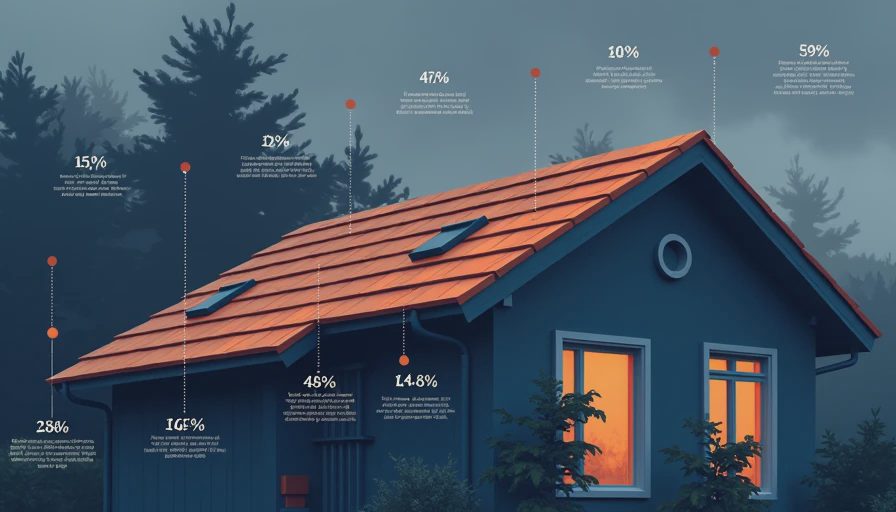
Case file from my adjusting years: a family noticed a faint brown mark near an upstairs window. They painted over it twice. The roof was about 17 years old, and the homeowners assumed the mark was an old problem. During a spring storm, water entered through deteriorated flashing, traveled behind the wall, and soaked insulation and subflooring.
The visible ceiling repair was under $500. The eventual scope included drywall, insulation, flooring, baseboards, painting, and temporary living arrangements. The total approached $9,000. The roof did not suddenly fail that afternoon. It had been giving a quiet warning for months.
This is why I do not use a roof lifespan number as a pass-or-fail rule. A small ceiling stain that appears once and dries completely should still be investigated, but it is not the same emergency as active dripping. If water is entering during rain, insulation is wet, or the ceiling is sagging, call a qualified roofing professional promptly and keep clear of the affected area.
Also remember that homeowners insurance generally covers sudden, accidental damage such as wind or hail, not gradual deterioration or deferred maintenance. A policy may cover resulting interior damage in some situations while excluding the worn roof itself. Your policy controls the outcome, so do not assume age alone makes a claim covered.
Repair or replace: the practical decision
Repair is usually sensible when damage is localized, the shingles remain flexible, and the roof has several sound years ahead. A minor leak around one vent, a few storm-damaged shingles, or isolated flashing failure can often be handled for several hundred dollars to around $1,500, depending on access and materials.
Replacement becomes more reasonable when repairs keep recurring, damage appears on several roof sections, or the existing shingles are near the end of their expected roof lifespan. In many parts of the United States, a complete asphalt roof replacement commonly falls somewhere around $8,000 to $20,000 for an average home, with steep pitches, multiple layers, complex designs, premium materials, and structural repairs pushing the figure higher.
Get at least two detailed evaluations, not just two verbal prices. The estimate should explain tear-off, underlayment, flashing, ventilation, permits, disposal, decking allowances, and workmanship coverage. A low bid that excludes these items can become expensive before the crew leaves.
I used to think the oldest roof should automatically be replaced. Field inspections corrected that assumption. Sometimes a roof is old but performing well, and the smart move is to budget for replacement while monitoring it twice a year. Other times, a younger roof has installation defects that make waiting a poor bargain.

How to add useful years without wasting money
Maintenance does not make shingles immortal, but it can protect the roof lifespan you already paid for. Keep gutters and downspouts flowing so water does not back up under roof edges. Have overhanging branches trimmed before they scrape shingles or drop heavy limbs. After major wind or hail, arrange a ground-level inspection and a professional roof evaluation if you see damage.
Attic ventilation and insulation also matter. Excess heat and moisture can accelerate shingle aging, rust fasteners, and encourage condensation on cold surfaces. The answer is not simply adding a roof vent. Ventilation needs to be evaluated as a system, with intake and exhaust working together. A roofing contractor or qualified inspector can identify obvious problems without turning the visit into a sales pitch.
Do not pressure-wash asphalt shingles, walk on brittle roofing, or let an unqualified worker cover a leak with a temporary patch and call it finished. Your job is detection and timing. The repair method belongs to someone who understands roof safety and building-envelope details.
A simple roof check for every homeowner
Record the installation date, material, contractor, and any prior repairs in your home-maintenance file. If you bought the house recently, ask for permits, invoices, warranties, and inspection photographs. If those records are missing, use the roof’s visible condition and the home’s purchase inspection as your starting point.
In spring, look for loose flashing, damaged shingles, gutter granules, and attic moisture. In fall, clear drainage paths and check whether tree limbs are close enough to rub the roof. After a severe storm, photograph exterior damage from the ground before anyone begins work. Never climb onto a wet or steep roof for a closer look.
Plan financially when the roof is within five years of its expected service range. Setting aside $150 to $300 per month can create a meaningful replacement fund, depending on the eventual project cost. That is far less stressful than discovering a leak during a holiday weekend and accepting the first available estimate.
The best roof lifespan strategy is not guessing a perfect replacement date. It is noticing small changes, documenting them, and choosing repair or replacement before water gets invited into the walls. Now go walk your basement, look at the ceiling below the roofline, and spend ten minutes checking the attic. A ten-minute check today saves a ten-thousand-dollar call tomorrow.


No comments yet.