You're standing in the living room of a house you might buy. The agent is talking about closet space. You're nodding, but your eyes are on the ceiling—that water stain above the window. Is it old? Active? You don't know. This is exactly why I started bringing a printable home walk through checklist to every showing I attend with clients. A ten-minute check today saves a ten-thousand-dollar call tomorrow.
I spent eight years as a homeowners insurance claims adjuster. I wrote checks for damage that could have been spotted during a walk through—if someone had known what to look for. Now, as a home inspector, I've walked through over a thousand houses with buyers who wished they'd been more thorough. Let me show you what belongs on a good checklist and why it matters.
Why You Need a Home Walk Through Checklist
A walk through is not an inspection. It's your last chance to verify that the house is in the condition you agreed to buy—or to walk away if something's wrong. Without a printable home walk through checklist, you rely on memory and adrenaline. Neither is reliable.
I had a client in Denver who skipped the walk through checklist. He noticed a faint musty smell in the basement but didn't investigate. A week after closing, he found mold behind the drywall—$4,200 in remediation, not covered because the policy excluded pre-existing conditions. A simple checklist would have told him to stick his head in the mechanical room and look for standing water.
The checklist forces you to be methodical. You check each room, each system, each corner. It's not paranoid—it's practical.

What the Pros Look For (That You Don't)
Most buyers focus on cosmetics: paint color, flooring, kitchen counters. I focus on the stuff that costs real money. Here's what a good printable home walk through checklist should include:
Water intrusion signs – Look for fresh paint on the ceiling (could be covering a stain). Check around windows for rot or dampness. Feel the baseboards in the basement—if they're soft, you've got a moisture problem. A slow toilet leak in an upstairs bathroom can wreck the subfloor without ever staining the ceiling below. I saw a claim where a $5 wax ring replacement turned into $8,600 in subfloor and joist repairs.
Mechanicals – Turn on every faucet. Flush every toilet. Run the dishwasher and washing machine through a full cycle. Check the water heater age (stamped on the serial number plate). If it's over 10 years old, budget for replacement. Furnace and AC: ask for service records. A neglected furnace can crack its heat exchanger—and that's a $3,000 replacement, or worse, a carbon monoxide risk.
Structural clues – Cracks in the foundation wider than a credit card are a red flag. Doors that stick or won't latch could indicate settling. Use a marble on the floor; if it rolls toward a wall, the floor is sloping. I've seen homes with a 2-inch sag that buyers didn't notice until they put a level on it.
3 Common Walk Through Surprises I Saw as a Claims Adjuster
- The hidden leak. A buyer walked through a house in spring. No issues. They moved in August and discovered the basement flooded every heavy rain. A walk through in dry weather won't tell you the whole story—unless you check the sump pump (test it with a bucket of water) and look for water stains at the base of the walls. That buyer's claim was denied because the damage was gradual, not sudden.
- The dying roof. The seller patched three small leaks before listing. The buyer didn't check the attic. Ten months later, a rainstorm revealed the patches had all failed. Replacement cost: $8,200. A printable home walk through checklist includes an attic check—look for daylight through the roof sheathing or dark stains on the wood.
- The dangerous electrical. A buyer saw new outlets and thought the wiring was updated. But an amateur had tapped into old knob-and-tube wiring hidden in the walls. The house wasn't up to code, and the insurance company wouldn't cover a fire. A checklist reminds you to ask: are all upgrades permitted? If there's a recent panel upgrade, check the permit sticker.
How to Use Your Printable Checklist on Walk Through Day
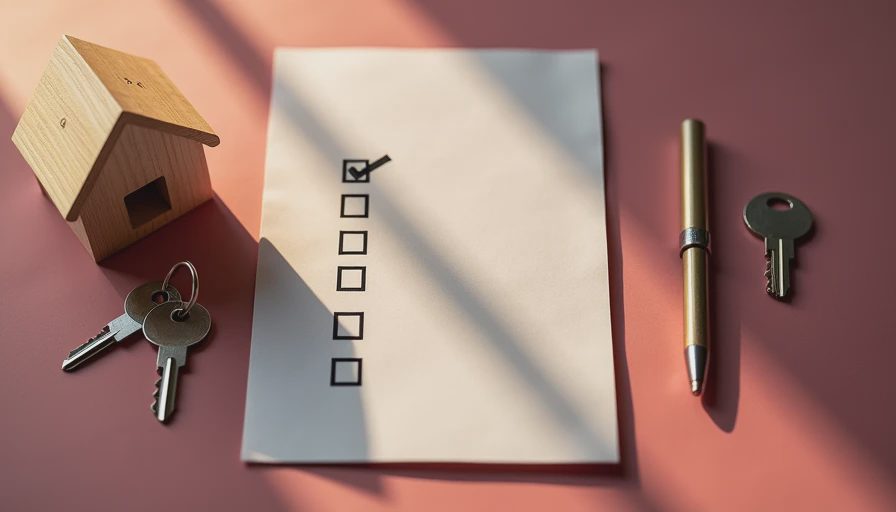
Print the checklist on a clipboard. Bring a flashlight, a marble, a phone charger (to test outlets), and a small screwdriver (to pop open the electrical panel). Go room by room. Don't let the agent rush you—this is your due diligence.
For each item, mark Pass/Fail and note any concerns. If you find a major issue—like standing water in the crawlspace or a furnace that won't light—you have leverage. You can ask the seller to fix it, credit you at closing, or walk away. In my experience, sellers fix about 60% of issues found on walk through when presented with a numbered list from a checklist.
A printable home walk through checklist also helps you remember what you checked. A week after closing, when the washing machine overflows, you'll know whether that drain was slow during the walk through. That memory could save a denial.
Final Thought: Paper Saves Money
I keep a copy of my walk through checklist from every house I've bought. It's a record of what I saw and what I committed to fix. You should too. A ten-minute check today saves a ten-thousand-dollar call tomorrow. Grab a printable home walk through checklist, fill it out at your next showing, and sleep better knowing you caught what the agent didn't show you.
Now go walk that house. You have ten minutes.



No comments yet.