I used to write checks for homes with failed AC units. Eight years reading property claims taught me one thing: most of those big-dollar claims started with something small the homeowner ignored. One of the most common questions I get from homeowners is how often to service air conditioner units. The answer isn't just "once a year"—it depends on where you live, what kind of system you have, and how hard you run it. But if you want a rule of thumb that actually protects your equipment and your wallet, here's what I've learned from inspecting over 1,200 homes.
Let me start with a real case. Case file #8: a family in Aurora, Colorado, called because their AC stopped blowing cold air in July. The technician found a clogged condensate drain that had backed up, tripped the float switch, and shut the system down. The repair was cheap—$150 to clear the line and replace a $12 switch. But the real damage was the two days in 98-degree heat with two kids under five. That's the hidden cost: inconvenience and emergency repair premiums. Had they known how often to service air conditioner components properly, that clog would have been caught during a routine check.
Why AC Servicing Matters More Than You Think
Your air conditioner is a sealed system under pressure. It's not like changing the oil in your car—you can't just eyeball it. Dirt, debris, and wear affect performance silently. A dirty coil can reduce efficiency by 15-20 percent, which means you're paying for cool air you're not getting. But more importantly, a neglected system puts stress on the compressor, the most expensive part to replace. Compressor replacement runs $1,200 to $2,500 depending on the unit. That's a bill you want to avoid.
From a claims perspective, I saw three main failures: refrigerant leaks (often from vibration or corrosion), electrical component failures (from dust and heat cycling), and drain clogs that cause water damage. The last one is especially dangerous because it can saturate drywall and flooring, leading to mold. One claim I handled: a slow AC drain leak over a finished basement. The homeowner noticed a small damp spot on the ceiling tile, ignored it for six weeks, and ended up with $9,700 in remediation. A ten-minute check during seasonal service would have caught the drain line algae buildup.
The Real Answer: Twice a Year (But Here's the Catch)
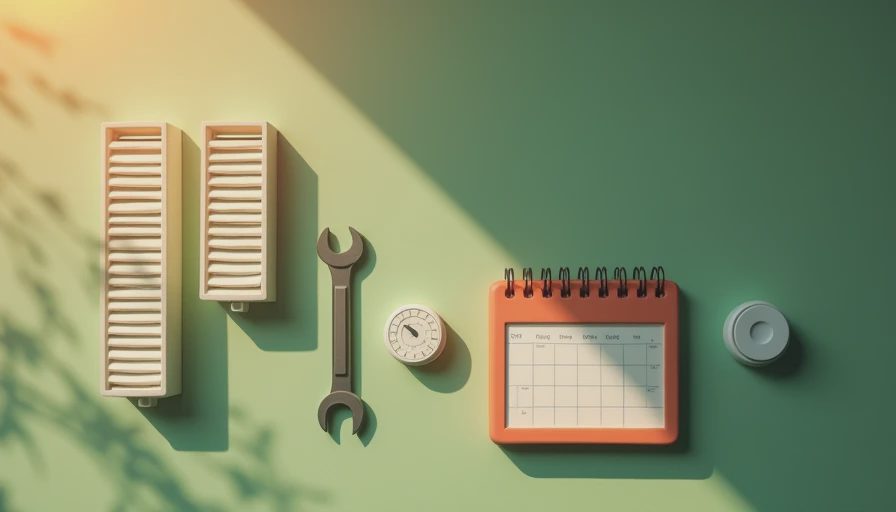
So how often to service air conditioner systems? The standard recommendation is twice a year: once in the spring before cooling season, and once in the fall before heating season (if you have a heat pump). Many HVAC companies sell maintenance plans that do exactly this, typically for $150-$300 per year. For most homeowners in moderate climates, that's enough. But there's a catch.
If you live in a region with long, hot summers—Arizona, Texas, Florida—or if you run your AC more than six months out of the year, consider three visits: spring, midsummer, and early fall. The midsummer check focuses on coil cleaning and refrigerant levels, which drop as the system works harder. I've seen units lose 10-15 percent of their charge by August in Phoenix homes.
Also, pay attention to the type of service. A full service includes: clean or replace air filter, clean evaporator and condenser coils, check refrigerant pressures, inspect electrical connections and capacitors, lubricate moving parts, check condensate drain, and verify thermostat calibration. A cheap tune-up that only checks filters and pressures isn't enough. When I inspect a home and see a sticker from a big-box store's $79 special, I know the system likely still has dirty coils.
What Happens If You Skip It (With Dollar Signs)
Let me give you the numbers I've seen in claims files. Skipping annual service doesn't usually kill your AC overnight—it's a slow decline. But the outcomes are real:
- Dirty condenser coil: reduces efficiency 15-20 percent. At $0.12 per kWh, running a 3-ton unit 1,500 hours a year costs about $540. At 20 percent inefficiency, that's an extra $108 per summer.
- Frozen evaporator coil (from low airflow): technician diagnostic and repair $250-$400. Plus the unit is down for a day.
- Compressor failure: $1,200-$2,500 to replace. Often caused by low refrigerant from a slow leak that a spring check would have caught.
- Condensate drain overflow: water damage to walls, ceiling, flooring. Average claim I saw was $3,500, but can exceed $10,000 if mold sets in.
One of my favorites: Case file #22—a homeowner in Lakewood had her AC serviced every year like clockwork. But she only hired a company that changed the filter and checked pressures. They missed a cracked condensate pan. Over three years, the pan leaked slowly into the attic floor. By the time the ceiling sagged, the damage was $6,200. A thorough annual service would have caught the crack early when it was a $50 fix.

How to Know If Your AC Needs Service Before the Schedule
Even with a regular maintenance schedule, things happen. Here are warning signs I tell homeowners to watch for between visits:
- The air coming out of vents is less cold than usual, or the system runs longer to reach temperature.
- There's a musty smell when the AC runs—indicates mold on the evaporator coil or in the drain pan.
- You hear a squealing or grinding noise from the outdoor unit—usually a failing fan motor or compressor.
- The breaker trips repeatedly when the AC tries to start.
- Water pools around the indoor unit or you see rust on the drain pan.
- Your electric bill spikes 20-30 percent compared to the same month last year without a change in usage.
Any of these mean it's time to call a technician, regardless of when your last service was. Don't wait for the next scheduled visit. I've seen dozens of claims where a homeowner noticed a weird noise or smell, told themselves they'd call next month, and then the system failed in July. Emergency service calls cost 50-100 percent more than planned ones.
Quick Decision Checklist for Homeowners
Here's how to apply all this to your own house:
- Check your warranty. Some manufacturers require annual professional service to keep the warranty valid. If you skip a year, you could void a 10-year compressor warranty. Check the fine print.
- Set two reminders. Schedule spring and fall service. Put them on your calendar as recurring events. Most HVAC companies book two weeks out in peak season, so call early.
- Ask what's included. When you call for a tune-up, ask specifically: do you clean both coils, check refrigerant, and inspect electrical components? If the answer is no, find someone else.
- Do the simple stuff yourself. Change your air filter every 30-60 days during use. Keep the outdoor unit clear of leaves, grass, and debris. This alone can cut emergency visits by half.
- Know when to replace. If your AC is over 15 years old and needs a major repair (compressor or coil), consider replacement. A modern unit with 16 SEER rating will save you 30-40 percent on cooling costs.
Now go check your AC. A ten-minute inspection of the outdoor unit and filter could save you a ten-thousand-dollar call next summer.


No comments yet.