You're standing in the living room of your brand-new house. The walls are still white, the floors still smell like fresh carpet. But before you sign that final document, there's a walkthrough you need to do differently. This builders inspection checklist is what I wish every new homeowner had in their pocket before closing. I spent eight years reading insurance claims and another five inspecting homes. The pattern is clear: the defects that cost the most were visible at the builder's final walkthrough — if you knew where to look.
Why a Builders Inspection Checklist Matters
Most new-home buyers assume the city inspection caught everything. It didn't. City inspectors check code compliance, not workmanship or long-term durability. I've seen brand-new roofs missing drip edge, furnaces installed with no condensate drain, and bathrooms tiled directly over drywall with no waterproofing. Each of those cost the homeowner thousands within the first two years. A builders inspection checklist shifts your focus from "does it look nice?" to "will it still work in five years?" That's the difference between a $50 fix at closing and a $5,000 claim later.
What to Check Before the Drywall Goes Up
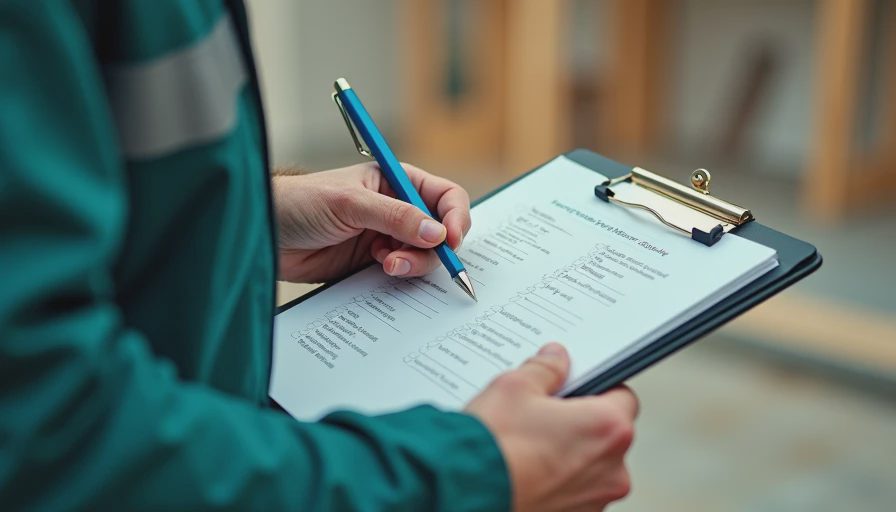
The single most valuable time for a builders inspection is during the rough-in phase, before insulation and drywall cover everything. If your builder allows it — and most will if you ask — schedule a walkthrough when electrical, plumbing, and HVAC are exposed. Inspect the nailing pattern on sheathing: nails should be 6 inches on edges, 12 inches in the field. Check that all duct connections are sealed with mastic, not tape. Look for P-traps under every drain, and make sure the main water shutoff works. This is also the time to verify your insulation type and R-value matches the plans. I once found a house where the builder used R-13 batts in the attic instead of R-38. The buyer caught it during rough-in, and the builder had to replace the entire attic insulation before closing.
Exterior Checklist: Roof, Siding, and Grading
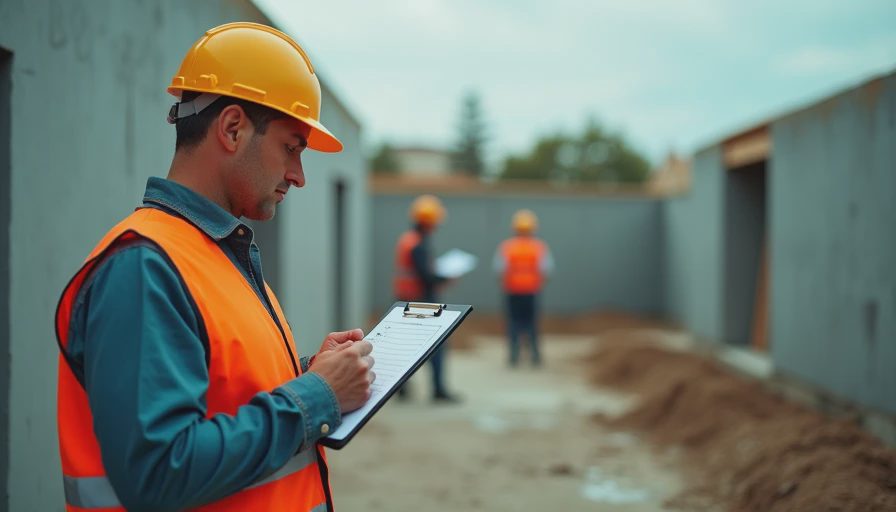
Walk the exterior with your builders inspection checklist. Start at the roof: look for proper flashing at valleys, chimney, and vents. Check for a drip edge at all roof edges — it's a small metal strip that directs water away from the fascia. Missing drip edge is one of the most common builder shortcuts, and it leads to rotted fascia and siding within three years. On the siding, look for gaps at window and door seams. The caulking should be smooth and continuous. Then check grading: the soil around the foundation should slope away at least 6 inches over 10 feet. If water pools near the foundation, you'll get basement leaks. I had a client whose builder graded toward the house. The first heavy rain dumped 2 inches of water in the crawlspace. The fix — regrading and a French drain — cost $4,200.
Interior Systems: Plumbing, Electrical, and HVAC
Inside, test every faucet and flush every toilet. Run the shower for five minutes and check for leaks at the valve. Open the electrical panel and make sure each breaker is labeled correctly — and that the panel isn't stuffed with too many circuits for its rating. For HVAC, turn on the system and let it run. Check the temperature difference at the registers: it should be 15–20 degrees cooler than return air for AC, 30–40 degrees warmer for heat. Also, listen. A rattling compressor or a furnace that cycles too often means a problem. I once inspected a new home where the AC condenser was installed on a platform that wasn't level. The compressor failed within a year, and the warranty didn't cover improper installation. That was a $2,500 lesson.
Final Walkthrough Checklist
By the final walkthrough, most cosmetic issues are obvious. But your builders inspection checklist should also include things like: open and close every window — they should slide smoothly and lock. Test all doors, including closet and pantry doors, for clearance. Check that the garage door reverses when it meets resistance. Look for cracks in the foundation slab; hairline cracks are normal, but anything wider than 1/8 inch needs evaluation. Also, bring a level and check countertops, cabinets, and floors for levelness. A quarter-inch drop over eight feet is a sign of poor framing. Don't forget to ask the builder for all manuals and warranty documents. And verify that any promised upgrades — like a gas line for the stove or an extra outlet in the garage — are actually installed.
What to Do When You Find a Problem
If your builders inspection checklist reveals an issue, don't panic. Most builders have a punch-list process. Document everything with photos and notes. Email the list to your builder and request a timeline for repairs. For serious defects — like structural cracks, improper flashing, or missing fire stops — consider hiring a third-party inspector to write a report. Builders are more likely to act when an independent professional documents the problem. If they refuse, you have options: your real estate agent can negotiate, or you can delay closing until repairs are made. I've seen buyers walk away from $500 earnest money rather than accept a $20,000 foundation problem. That's a good decision. A ten-minute check today saves a ten-thousand-dollar call tomorrow. Now go walk your new house. You have ten minutes.

No comments yet.