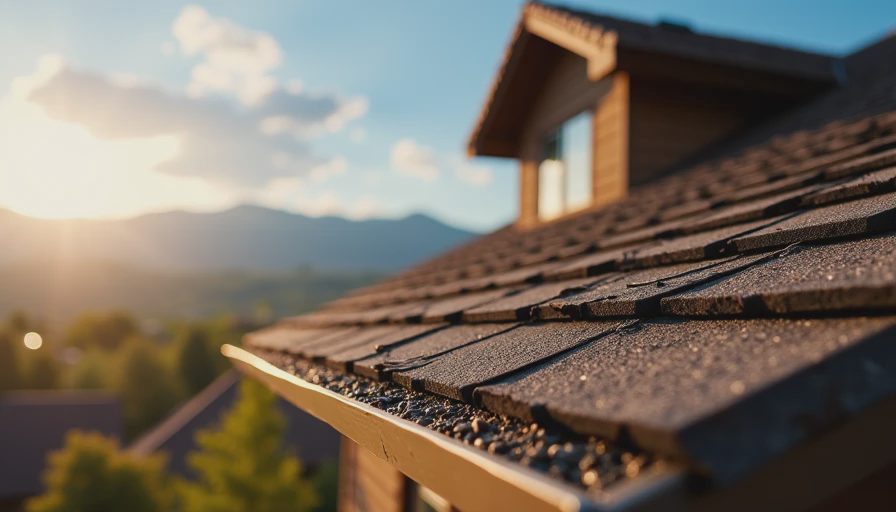
The “30-year” label on asphalt shingles is one of the most misunderstood marketing numbers in homeownership. I’ve seen it on claims files and rooftops for years, and the gap between the label and reality is significant.
After reviewing thousands of roof claims and inspecting hundreds of homes, here’s what that number actually means in practice — especially in the Front Range.
What the "30-Year" Rating Actually Means
Manufacturers rate shingles based on laboratory conditions and standardized testing. It’s not a guarantee. It’s more like an optimistic average under ideal circumstances.
In real life, Colorado’s intense sun, hail, wind, freeze-thaw cycles, and temperature swings tend to age roofs faster. Most “30-year” shingles I see in the field are showing significant wear between 15–22 years. The sweet spot for replacement planning is usually 18–22 years.
Signs Your Shingles Are Aging
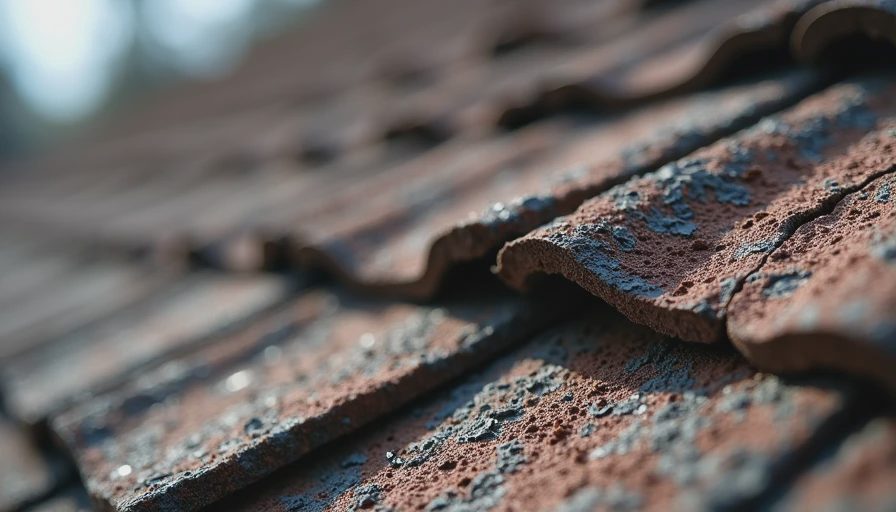
Look for these during your seasonal walkarounds:
Curling or cupping at the edges
Granules wearing off (you’ll see them in gutters)
Dark streaks or patches (algae or mineral loss)
Missing or cracked shingles, especially after hail or wind
Brittle feeling when carefully tested
If you’re seeing multiple signs and your roof is approaching 18+ years, it’s time to get professional opinions.
The Real Cost Math
Replace at 20 years proactively:
Average cost for a typical suburban home: $8,000–$14,000
Better chance of insurance discounts
Ability to choose timing and contractor
Wait until failure (leak or storm damage):
Emergency repairs or full replacement under pressure
Possible insurance deductibles and claim complications
Higher risk of interior water damage
The proactive approach almost always wins financially and logistically.
Factors That Shorten or Extend Life
What shortens lifespan:
South/west facing slopes (more sun)
Poor attic ventilation (extra heat)
Frequent hail exposure
Cheap installation details
What extends it:
Good attic ventilation
Regular gutter cleaning
Tree trimming to reduce debris
Quality underlayment and flashing during installation
My own roof is 14 years old. I check it twice a year and keep detailed notes. We plan to replace around year 20–21 depending on condition.
What I Tell Homebuyers and Homeowners
During pre-purchase inspections, I’m very clear about roof age. A 12-year-old roof on a 25-year-old house is normal. A 25-year-old roof on a 25-year-old house needs to be budgeted soon.
Don’t panic if your roof is 15 years old. Start saving and monitoring. Get it professionally inspected every 4–5 years after the 15-year mark.
The Bottom Line
“30-year” shingles usually give you 18–22 good years in Colorado practice. That’s still a solid run for the money. The key is understanding the real timeline so you’re not surprised when it’s time.
A ten-minute check today saves a ten-thousand-dollar call tomorrow. For your roof, those ten minutes spent looking in the gutters and walking the property can give you years of warning.
Go look at your roof edges and gutters this weekend. Take a few photos. Note the condition. Future you will appreciate the heads-up.
If your roof is in that 15–20 year range, start researching contractors and saving. When the time comes, you’ll be ready instead of reactive.
What’s the age of your current roof? Drop it in the comments — I’m curious how it lines up with what I see in the field.
Stay dry and proactive, friends.
No comments yet.