
I used to sit at a desk approving checks for $8,600 in subfloor rot because a toilet tank sweated for eighteen months. Or $14,000 for attic insulation that turned into black mold after a roof vent stayed clogged through two Colorado winters. The worst part? Almost every single one started with something the homeowner could have spotted in ten minutes.
My name is Mark Shepherd. For eight years I was a property claims adjuster for a regional carrier, mostly suburban single-family homes around Denver and the Front Range. I’ve personally reviewed north of 2,000 claims. Then I got my InterNACHI certification, left the desk, and started Shepherd Home Insight, where I now crawl through 150–200 attics, crawlspaces, and mechanical rooms every year. The pattern never changed. The house doesn’t suddenly betray you. You just stop looking.
That’s why this blog exists.
The Spreadsheet That Ruined My Peace of Mind
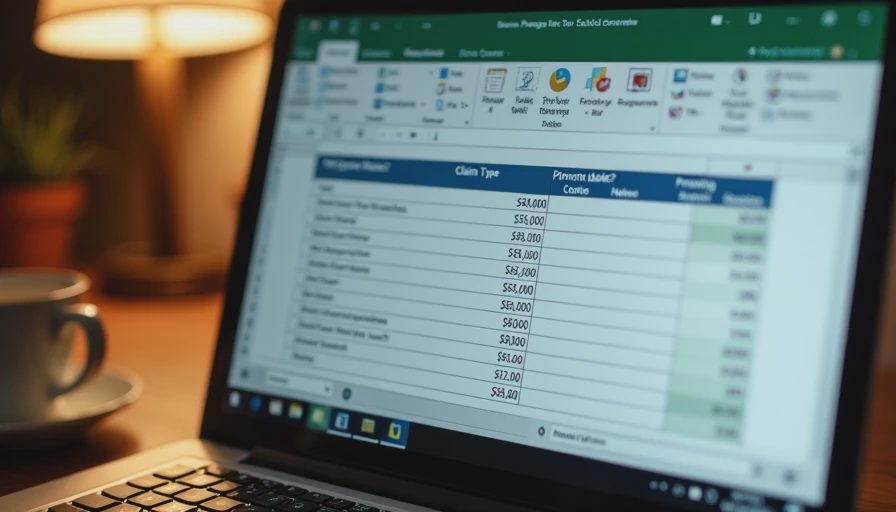
Back when I was still adjusting claims, I started keeping a private spreadsheet titled “Things I Was Wrong About.” Column A: What I believed from the files. Column B: What the field actually showed.
Top entry for three straight years: “Homeowners are generally on top of maintenance.” Wrong. Most aren’t neglectful — they’re just busy, and nobody ever told them what actually matters versus what the YouTube algorithm screams about.
I saw $42,000 foundation repairs that began with a gutter downspout that detached during a July thunderstorm and nobody noticed until the next spring. A $9,700 HVAC replacement that could have been avoided with a $120 annual service call and a $15 filter change every three months. The numbers piled up until I couldn’t unsee them.
So I started writing notes in the margins of claim files: “Homeowner could have prevented 80% of this with a 15-minute seasonal walk.” Eventually those notes became this blog.
What This Blog Is (and What It Definitely Isn’t)
This isn’t another “DIY your way to a perfect home” site. You won’t find step-by-step instructions on how to replace a water heater here. That’s not my lane, and honestly, most homeowners don’t need to become part-time plumbers.
Instead, this is the insurance-claims-level view most people never get until the adjuster is standing in their living room with a clipboard and bad news. I’ll show you:
What that weird yellow ring on the ceiling actually means as a timeline
When a 16-year-old furnace is still worth keeping versus when it’s quietly planning your financial demise
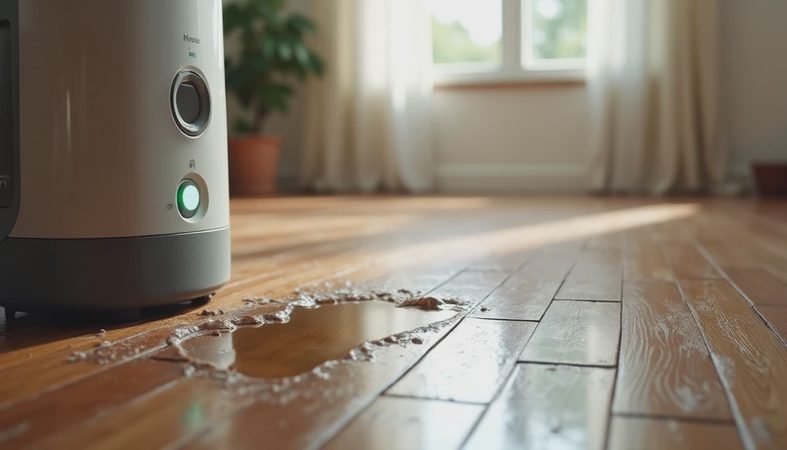
The exact size of puddle under your water heater that says “call someone this week” versus “monitor through spring”
And always with hard numbers. Not scary hypotheticals — real claim data (anonymized, of course) and current Colorado and national repair/replacement costs.
A ten-minute check today saves a ten-thousand-dollar call tomorrow. That’s not marketing. That’s the math I lived.
The View from the Attic (and the Crawlspace)
Let me paint a picture with something other than spreadsheets. Last month I was in a beautiful 2012 build in Highlands Ranch. On paper, everything looked pristine. But when I climbed into the attic, I found the ridge vent screen half-collapsed and packed with cottonwood fluff. The homeowners had no idea. Six more months and they’d have been looking at insulation replacement and potential moisture intrusion.
I’ve stood in crawlspaces where the vapor barrier was perfectly installed but the sump pump discharge line had frozen and cracked the previous winter — because nobody ever checked the exterior termination point after the first hard freeze.
These aren’t dramatic failures. They’re quiet, boring, cumulative ones. The kind that make insurance companies roll their eyes and write “lack of maintenance” in the notes.
My Life Outside the Claims Files
When I’m not in someone else’s attic, you’ll find me trail running the High Line Canal with my six-year-old Noah asking endless “why” questions about erosion (he’s basically a tiny geologist now). Or smoking brisket in the snow on our Weber Smokey Mountain while my three-year-old Maya tries to “help” by rearranging the wood chunks. Or 3D printing yet another custom bracket because the manufacturer part costs $38 and I can print a stronger one for $1.20 in PETG.
Those hobbies actually sharpened how I see homes. Trail running taught me to spot small changes in terrain before they become ankle-twisting disasters. Smoking meat taught me patience and temperature control — exactly what your HVAC wants from you. 3D printing showed me that sometimes the perfect fix is simple, custom, and cheap if you just pay attention.
My wife Jen, a commercial project manager, hears my dinner-table rants and usually responds with, “Babe, most people don’t have your brain wired for failure modes.” Fair. That’s why I’m writing this down.
The Manifesto Part — What I Actually Believe
Your house is trying to tell you things. Most people just don’t know the language.
Prevention beats reaction by such a ridiculous margin that it’s almost criminal we don’t teach it in homeownership 101.
Not everything needs fixing right now. I’ll give you clear decision thresholds so you stop wasting money on phantom problems and focus on the real ones.
Data > drama. I’m not here to scare you into thinking your roof is one snowflake away from collapse. I’m here to tell you when snow + ice dams actually matter versus when it’s just winter being winter.
Maintenance can be normal, even enjoyable, when it stops feeling like an endless to-do list and starts feeling like protecting the thing that protects your family.
What You’ll Find Here Going Forward
We’ll rotate through five core categories:
Seasonal Checklist — practical, climate-aware walks you can actually do
The Warning Signs — learning to read the house’s body language
Lifespan — real-world numbers on when to repair versus replace
The Inspection — what inspectors look for and what they sometimes miss
The Ledger — the money stories. This one. The raw cost comparisons.
Every post ends with one actionable thing you can do this weekend. No overwhelm. Just progress.
I still keep that spreadsheet updated. The “I was wrong” column grows slower now, but it still grows. That’s the point — I’m out in the field every week, seeing what the files never showed me. And I’m bringing those lessons here.
So welcome. Whether you’re a first-time homeowner staring at your new (to you) house with healthy fear, or a seasoned owner tired of surprise repair bills, you’re in the right place.
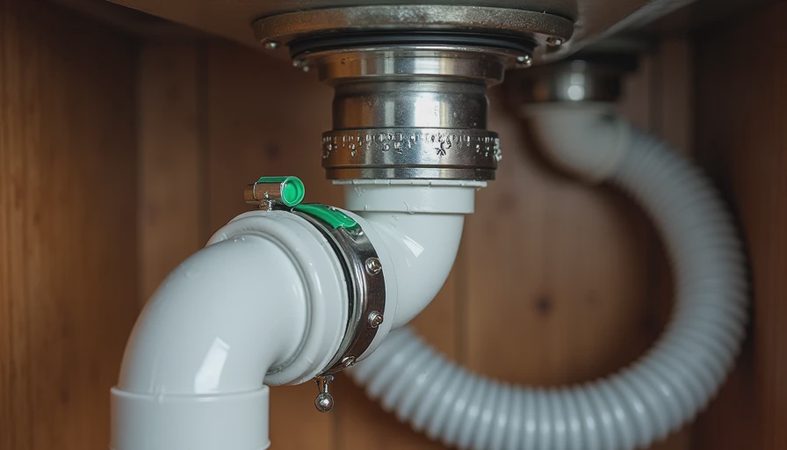
Now go walk your basement or check under the kitchen sink. You’ve got ten minutes. I promise it’s worth it.
No comments yet.