You are standing in the basement after a hard rain. The floor is dry, so you head upstairs and forget about it. That is how the cost of ignoring home maintenance usually begins: not with a dramatic failure, but with a small signal that seems easy to postpone. I used to write checks for this. Now I write about it so you do not need the check.
In claims files, the expensive damage was often six months old before anyone noticed. A slow roof leak stained one ceiling tile. A loose toilet rocked slightly. A gutter overflowed only during the heaviest storm. Each problem looked minor until insulation, subfloor, drywall, or framing became involved. The good news is that prevention is usually boring, inexpensive, and measurable.
Where the Cost Starts Climbing
The first stage is detection. A water stain smaller than a dinner plate that appears once deserves attention, but it does not mean you need to panic. A stain that grows, feels damp, or returns after dry weather is a different matter. Call a qualified professional promptly if the source is unclear.
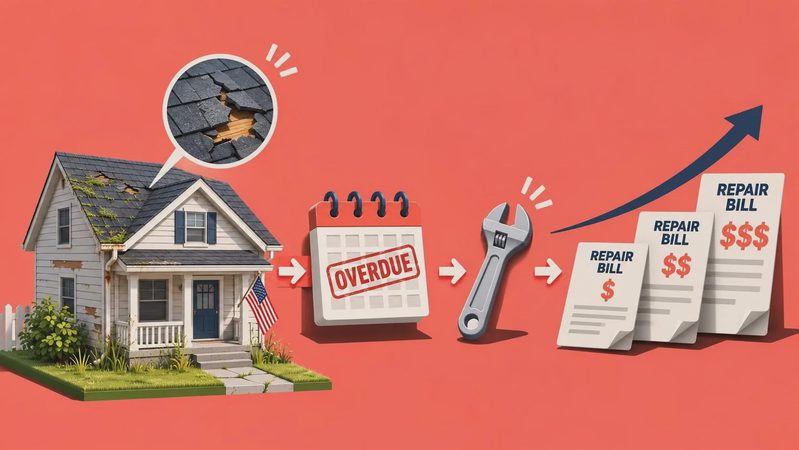
A roof inspection or minor flashing repair might run $250 to $900 in many markets. Once water reaches roof decking, insulation, drywall, and interior paint, the bill can move to $2,000 to $8,000. If structural wood has stayed wet, costs can climb higher. The cost of ignoring home maintenance is not simply the repair invoice; it is the extra materials and labor added because the original problem had time to spread.
I remember a claim involving a ceiling stain near a bathroom vent. The homeowner painted over it twice. Eventually, a roofer found failed flashing, while an inspector found damp insulation and softened sheathing. The initial repair was manageable. The interior restoration was not.
The Four Problems I Would Check First
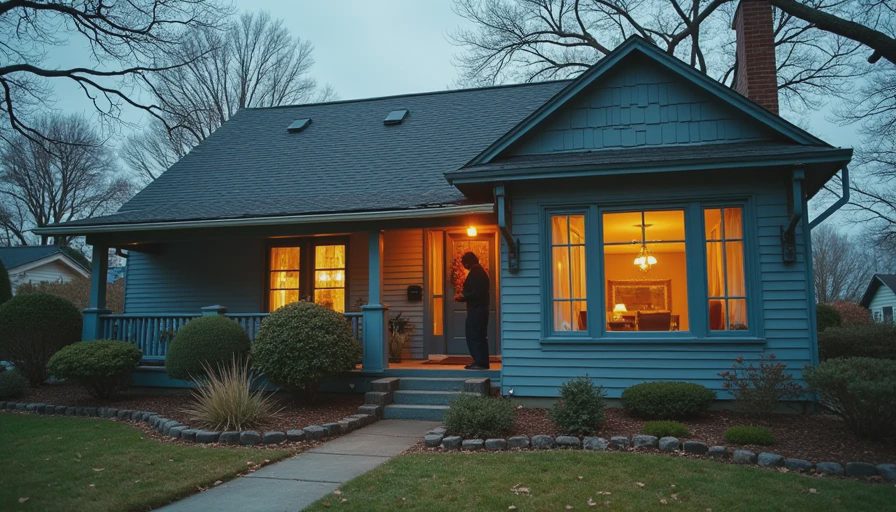
If you have ten minutes, focus on water, drainage, heating, and plumbing. These categories create a large share of the avoidable damage I saw in suburban homes.
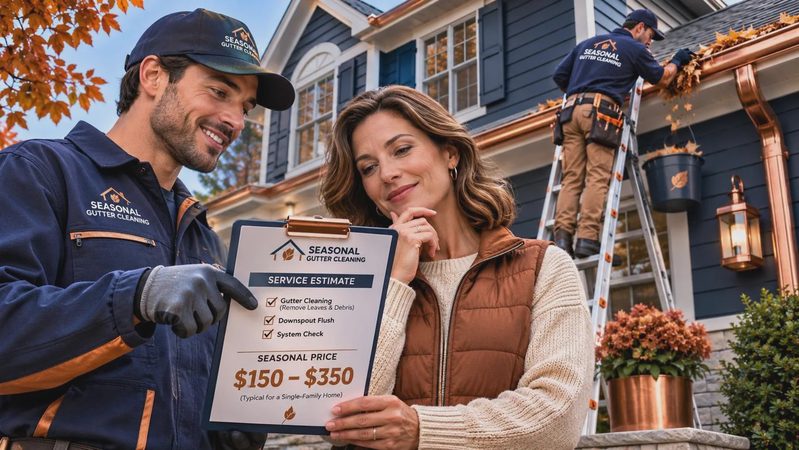
Start in the attic after rain. Look for darkened wood, compressed insulation, rust around nails, or daylight where it should not be. Then walk around the exterior and check whether downspouts discharge several feet away from the foundation. A clogged gutter cleaning may cost $150 to $350. Replacing damaged fascia or repairing basement seepage can cost $1,500 to $7,000.
Inside, look beneath sinks and around toilet bases. A sweating supply line or a toilet that rocks is worth scheduling, not ignoring. One slow toilet leak I reviewed caused about $8,600 in subfloor and flooring damage because water traveled below the finished surface. If a toilet base is wet, the floor feels soft, or the ceiling below shows a ring, treat it as a prompt call.
Finally, notice furnace odors, unusual cycling, or a carbon monoxide alarm. Do not diagnose combustion equipment yourself. Arrange professional service, especially before the heating season.
What Insurance Usually Does Not Solve
Homeowners insurance is designed for covered, sudden, accidental losses, not every expense caused by aging or neglected upkeep. A burst pipe may be covered under many policies, while long-term seepage, deterioration, or damage that grew from a known leak may be excluded. Coverage language differs, and an adjuster will look at the cause and timeline.
That makes maintenance a financial strategy, not just a chore. If a roof is near the end of its useful life, budgeting $6,000 to $15,000 for replacement can be painful but predictable. Waiting until wind-driven rain enters the attic adds emergency labor, ruined contents, and temporary living costs. The cost of ignoring home maintenance can also include a deductible, a coverage dispute, and months of inconvenience.
I am not saying every old component needs immediate replacement. I have seen homeowners spend $5,000 to prevent a $200 nuisance. The sensible move is to identify the failure risk, establish a time window, and spend first where water or safety is involved.

A Practical Dollar-Based Triage
Think of maintenance in three levels. Level one is a watch item: a hairline drywall crack that has not changed, a small amount of condensation, or a gutter that overflows only during an unusually intense storm. Photograph it, note the date, and recheck it after the next rain or temperature change.
Level two deserves a scheduled professional visit within weeks. Examples include a recurring ceiling mark, a foundation crack wider than a credit card, a furnace that short-cycles, or a toilet that stays damp at the base. Typical evaluation and minor repair costs might range from $200 to $1,200. That is where spending money feels annoying but still controlled.
Level three means same-day attention: active water near electrical equipment, a spreading ceiling bulge, a sewer backup, a strong fuel odor, or a carbon monoxide alarm. Leave unsafe areas and contact the appropriate emergency professional. A $300 emergency visit can feel expensive, but it is small beside major water extraction, electrical damage, or a hotel stay.
This is also why I keep a home maintenance spreadsheet. Write down the symptom, location, date, and who evaluated it. A short record turns vague worry into a decision.
Seasonal Checks That Actually Matter
In spring, inspect gutters, roof edges, grading, sump pumps, and basement walls after snow or heavy rain. In summer, pay attention to air conditioner performance, condensate leaks, and attic heat. If the system runs constantly but rooms remain warm, schedule service before a small drainage or mechanical issue becomes a July emergency.
In fall, arrange furnace maintenance and inspect exposed pipes before freezing weather. In winter, watch for ice dams, frozen plumbing, and unusual moisture around windows. You do not need a complicated calendar. Pair each check with something you already do: clean gutters before putting away patio furniture, inspect the furnace before the first cold night, and walk the basement after a major storm.
The cost of ignoring home maintenance is highest when a seasonal warning gets repeated. One wet basement after a storm might be manageable. Wetness after every storm is a pattern, and patterns deserve a professional opinion.
When Paying for an Inspection Makes Sense
A professional inspection is useful when you cannot identify a moisture source, when a system behaves differently from last season, or when several small symptoms appear in the same area. Expect to pay roughly $300 to $700 for a focused evaluation in many parts of the United States, with specialized roof, sewer, chimney, or structural assessments costing more.
That expense is not automatically worthwhile for every annoyance. A home inspector is not a substitute for a licensed plumber, electrician, roofer, or HVAC technician when a trade diagnosis is needed. The goal is to choose the right expert before damage expands.
I used to think a homeowner needed to fix every imperfection immediately. Fieldwork corrected that assumption. Some cracks are cosmetic. Some stains are old and inactive. The skill is separating harmless history from an active cause. That distinction can save thousands.
The cost of ignoring home maintenance is ultimately the cost of losing that choice. Early on, you can compare bids, schedule normal labor, and protect your belongings. Later, you are reacting to damage on someone else’s timeline. A ten-minute check today saves a ten-thousand-dollar call tomorrow. Now go walk your basement. You have ten minutes.

No comments yet.