Some of the most expensive claims come from the smallest, most innocent-looking appliances. This is Claim File #4 from my adjusting days — annotated with what I learned and what you can do differently.
Anonymized Details:
Single-family home in suburban Denver area
Incident date: Mid-winter
Total paid: Approximately $40,000 (after deductible)
Cause: Portable humidifier
The Claim Story
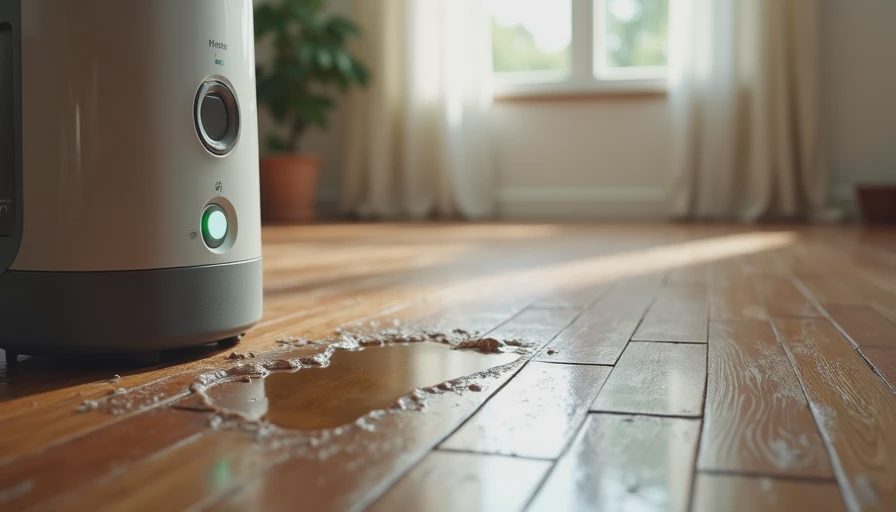
The homeowners had dry winter air, so they bought a $15 portable humidifier from a big-box store. They placed it in the living room on the hardwood floor and ran it almost continuously for several weeks.
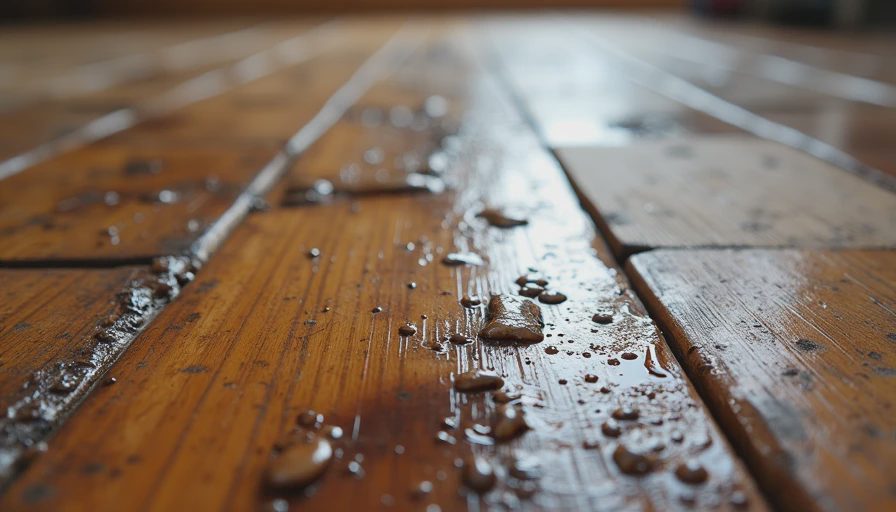
One morning they noticed the floor felt soft near the humidifier. By the time they called it in, water had wicked under the hardwood planks across a significant portion of the main level. The damage extended to the subfloor and required removing and replacing large sections of flooring, plus addressing moisture in the framing.
My Field Notes from the File
What went wrong:
No timer or automatic shutoff on the cheap unit
Placed directly on hardwood without a tray or mat
Run excessively without monitoring humidity levels
Homeowners didn’t check underneath or around the unit regularly
The humidifier continued running even after overflowing or leaking
The preventable part: Almost all of it. A simple daily check, proper placement, or better-quality unit with safety features would have avoided this.
Lessons for Every Homeowner
Never place a humidifier directly on hardwood or carpet. Use a waterproof tray or elevated stand with a catch basin.
Monitor humidity levels. Ideal winter indoor humidity is 30–40%. Over-humidifying causes condensation and damage.
Use timers or smart plugs. Don’t run units 24/7.
Clean and maintain religiously. Mineral buildup leads to overflow and poor performance.
Check around the unit daily. A quick visual inspection prevents disasters.
I’ve seen variations of this claim multiple times. The $15 humidifier seemed like a bargain until it quietly destroyed thousands in flooring.
The Broader Ledger Lesson
Small appliances that add moisture are some of the highest-risk items in winter. The same principle applies to furnace humidifiers — they need regular maintenance too.
My current practice at home is strict: any humidifier gets a dedicated waterproof mat, daily visual checks, and a timer. Jen teases me about my “humidifier protocols,” but after seeing the claim files, I’m not taking chances.
A ten-minute check today saves a ten-thousand-dollar call tomorrow. In this case, ten seconds per day checking the humidifier area could have saved $40,000.
If you use a humidifier in winter, go look at it right now. Is it on a proper tray? Is the area around it dry? Are you monitoring the humidity level?
Small habits protect big investments. Don’t let a cheap humidifier become an expensive lesson.
If you have a humidifier story — good or bad — share it in the comments. These real examples help everyone stay safer.
Stay dry and vigilant, friends.

No comments yet.