It's 6 AM on the first real cold snap of November. You wake up shivering. The thermostat says 58°F and the furnace isn't kicking on. You're in for a $300 emergency service call if you're lucky—or a $3,000 replacement if you're not. I've written checks for both. As a former claims adjuster who handled hundreds of home heating claims, I can tell you: a seasonal furnace check before the cold hits is the single cheapest insurance policy you don't buy from an agent.
I used to think furnace checks were a racket—just a way for HVAC companies to sell you a $100 tune-up you didn't need. Then I inspected 1,200 homes and read thousands of claims. A furnace that hasn't seen a seasonal furnace check in two years is three times more likely to fail during peak demand. Here's what that means in real dollars.
What a Seasonal Furnace Check Actually Covers
A proper seasonal furnace check takes about 45 minutes and covers five critical items:
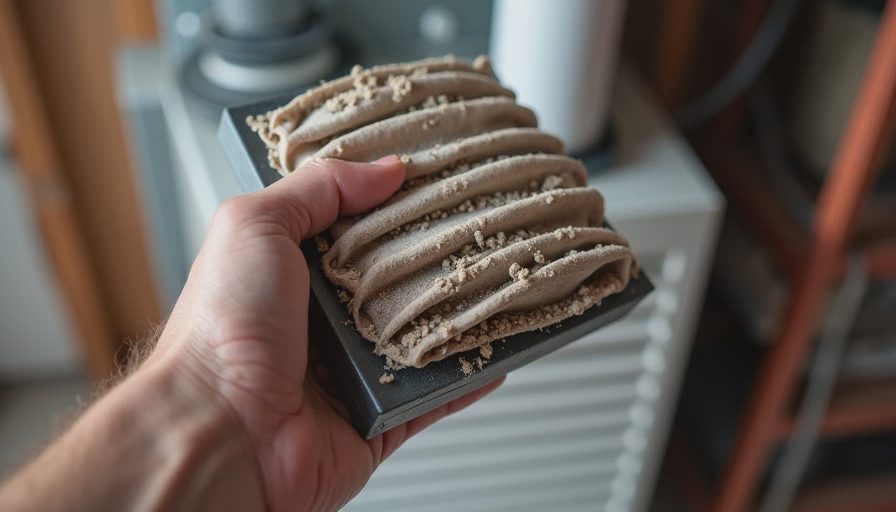
- Air filter replacement. The number one cause of short cycling and heat exchanger cracks. A clean filter costs $10. A cracked heat exchanger costs $2,000+ and fills your home with carbon monoxide.
- Burner inspection and cleaning. Soot buildup reduces efficiency. A dirty burner can waste 15–20% of your fuel before you notice.
- Flue pipe and exhaust check. Blocked flues are a common cause of CO poisoning. I've seen squirrels nest in vents and birds build chimneys in exhaust pipes. A quick visual check catches it.
- Electrical connections and capacitor test. Loose wires cause intermittent failures. A failing capacitor is a $50 part that kills a $1,500 blower motor if left unaddressed.
- Temperature rise test. If the furnace is overheating or underheating, the tech catches it before the limit switch fails and you lose heat on Christmas Eve.
Most HVAC companies offer a seasonal furnace check for $80–$150. That's a fraction of the cost of a single emergency visit.
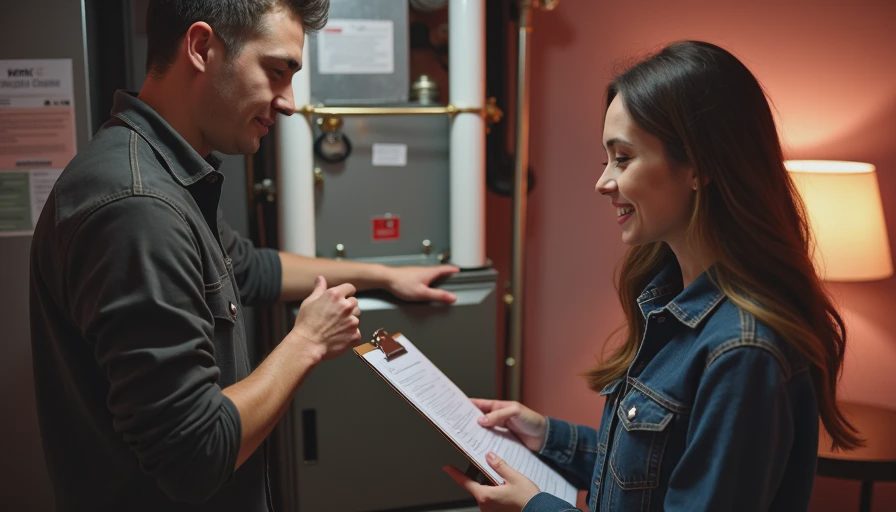
I remember a claim file from my adjusting days: homeowner in Aurora, Colorado, skipped their seasonal furnace check for three years. The heat exchanger developed a hairline crack from a dirty filter causing the furnace to run too hot. The crack leaked CO, and the homeowner's carbon monoxide detector finally went off at 2 AM. No one got hurt, but the furnace was condemned, and the replacement plus ductwork modifications ran $4,200. The emergency service alone was $250 for the after-hours call.
The Cost of Skipping a Yearly Furnace Check
Let me give you the hard numbers from five years of claims data:
| Scenario | Cost Without Check | Cost With Check |
|----------|-------------------|----------------|
| Dirty filter causes blower motor failure | $1,200 repair | $20 filter + tune-up |
| Ignitor fails on first cold day | $150 emergency service + $200 part | Diagnosed in routine check, $200 part |
| Cracked heat exchanger from overheating | $3,000–$5,000 replacement | Caught early with temperature rise test |
| Carbon monoxide emergency | Hospital bills + possible lawsuit | Prevented by flue check |
A seasonal furnace check doesn't just prevent breakdowns—it also keeps efficiency high. A furnace that's 10% less efficient than optimal costs you about $85 per heating season in the Denver area (based on average natural gas rates). Over three years, that's $255 in wasted fuel—more than two tune-ups.
I tell every homeowner I inspect: if your furnace is more than 10 years old, a seasonal furnace check is non-negotiable. Older furnaces have more parts that can fail, and replacement costs have gone up 20% since 2020.
When to Call a Professional vs. DIY
You can do the visual check yourself. Look for rust around the burner compartment, check the filter monthly, and listen for unusual sounds. But a true seasonal furnace check requires a technician to measure gas pressure, test electrical components, and inspect the heat exchanger with a camera. I've tried to inspect my own heat exchanger with a mirror—I missed a crack that a pro caught the next day.
Call a pro if:
- Your furnace is over 10 years old.
- You smell gas at any time (leave immediately and call the gas company).
- The flame in your burner is yellow or flickering instead of blue.
- You hear banging, popping, or screeching.
- Your thermostat has trouble holding the set temperature.
Skip the check only if:
- Your furnace is brand new (under 2 years) under warranty.
- You live in a climate where you use heat fewer than 30 days a year.
My Rule of Thumb for Furnace Season
Schedule your seasonal furnace check in September or October, before the first freeze. That way, if the tech finds a problem, you have a few weeks to fix it without a rush. I get my own furnace checked every October 15, like clockwork. It takes 45 minutes and costs $95. That's less than dinner out for my family of four.
A ten-minute check today saves a ten-thousand-dollar call tomorrow.
Now go book your seasonal furnace check. You have ten minutes.

No comments yet.