A tripped breaker in the middle of the night. No lights, no outlets, and you're standing there with a flashlight wondering if it's safe to poke around. I've been in that spot, and I've also read the claim files where it went wrong. Here's the safe way you can figure out how to test a circuit breaker without power before you call an electrician.
I used to write checks for electrical fires. One that sticks: a family kept resetting a breaker that wouldn't hold. It turned out the breaker itself had an internal short. Eventually it arced and ignited nearby insulation. Total claim: $3,200. Had they known how to test a circuit breaker without power, they would have caught it early.
Why You Might Need to Test a Breaker Without Power
Most breaker problems happen at inconvenient times. After a storm, during a weekend, or when the power is already out in part of the house. You flip the breaker back on, it trips again. That's when you need to test it without relying on power from the grid. Common reasons: the breaker has worn out, a wire has loosened, or a device is causing a short. Regardless, the first step is confirming whether the breaker itself is bad.
I've inspected over a thousand panels, and I'd say one in twenty has a breaker that's failed mechanically while still looking fine. Visual inspection alone won't catch it. That's why knowing how to test a circuit breaker without power matters.
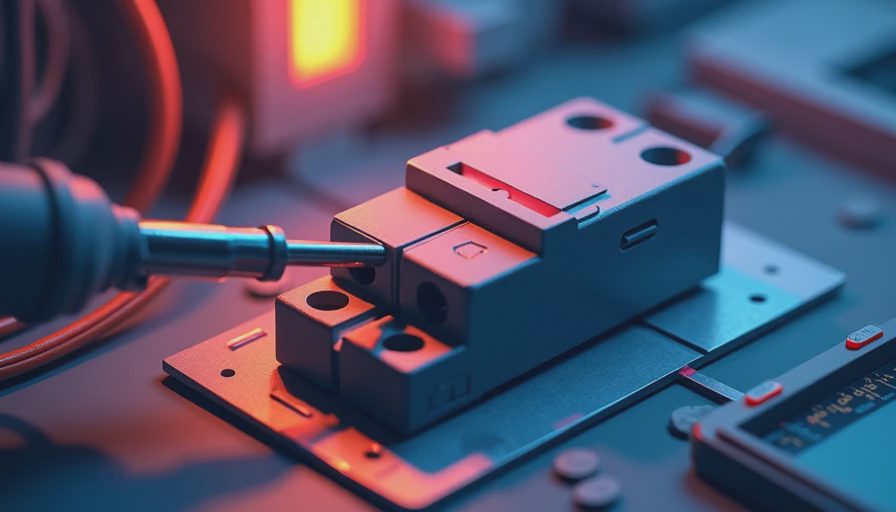
What You'll Need – Tools for a Safe Test
Before opening the panel, gather your tools:
- A digital multimeter (set to continuity or resistance mode)
- A flashlight (headlamp is better)
- Insulated screwdriver (for removing the panel cover)
- Non-contact voltage tester (optional, but good for double-checking no stray voltage)
You don't need anything expensive. A basic multimeter costs around $20 and is worth every penny. Skip the voltage tester if you're testing without power — continuity mode is your friend.
Step-by-Step: How to Test a Circuit Breaker Without Power
Follow these steps carefully. If at any point you feel unsure, stop and call an electrician. Safety comes first.
Step 1: Turn off the main breaker. This kills power to the entire panel and protects you from accidental contact with live bus bars. Yes, even without utility power, the main breaker might still be energized from the meter if the utility hasn't shut off. Always turn it off.
Step 2: Remove the panel cover. Use your insulated screwdriver. Set the cover aside where it won't get dust on it. Now you have access to the breakers and wiring.
Step 3: Set your multimeter to continuity (the symbol that looks like a diode or sound wave). Touch the probes together first to verify the meter beeps. Good.
Step 4: Test the breaker you suspect. Place one probe on the breaker's terminal screw (where the circuit wire connects) and the other probe on the panel's neutral bar or ground bar. A good breaker should show continuity (beep) when the breaker is in the ON position. No beep? The breaker is likely open internally. Flip the breaker to OFF. It should show no continuity. If it still beeps, the breaker is stuck closed — also faulty.
Step 5: Repeat with the breaker in different positions. Toggle it on and off a few times. Listen for the beep each time. Erratic beeping or no beep at all means the breaker is toast.
Step 6: Inspect visually. While you're there, look for burn marks, melted plastic, or loose wires. Any of those means immediate replacement.
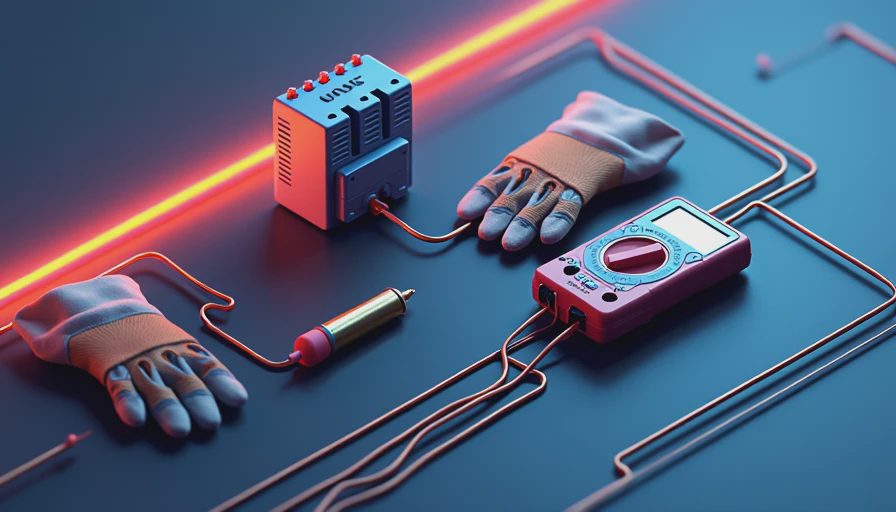
What the Test Results Mean
If the breaker failed the continuity test, it needs replacing. Breakers don't last forever. I've seen 30-year-old breakers that still work, but I've also seen 10-year-old homes with defective ones. Replacing a single pole breaker costs about $5–$10 for the part, plus maybe $150 for an electrician if you don't DIY. Compare that to the potential damage from an arc fault: thousands.
If the breaker passes the continuity test but the circuit still doesn't work, the problem is likely downstream — a bad outlet, a chewed wire, or a damaged appliance. That's a different diagnostic path. But now you've ruled out the breaker.
When the Breaker Passes – Troubleshooting Downstream
You've followed every step on how to test a circuit breaker without power. The multimeter beeped fine, the breaker toggles cleanly, and you've ruled out the panel. Yet the lights stay off. Don't assume the breaker test was wrong — the problem is almost always downstream. Here's a systematic way to find it:
Check outlets and switches. Start with the first outlet on the circuit (usually closest to the panel). Remove the cover and look for loose wires, burnt connections, or signs of arcing. A loose wire can cause a trip even if the breaker is good. Tighten all screws—but only if you're comfortable. Otherwise, leave that to an electrician.
Look for GFCIs. Ground fault circuit interrupters can trip and shut off power to everything downstream. If your kitchen, bathroom, or outdoor outlets are dead, reset every GFCI in the house. Sometimes they're in unexpected places like garages or basements. Press the TEST button, then RESET. If it won't reset, replace it.
Inspect for damage. Rodents love to gnaw on Romex wire. Check attics, crawlspaces, and unfinished basements. A chewed wire creates a short that trips the breaker immediately. You'll see frayed copper or plastic flakes. That's a definite repair job.
Test continuity on the wiring. If you have a long extension cord or wire tracer, you can check for open wires between outlets. But this gets advanced quickly. For most homeowners, if you've done the breaker test and the basic checks above, it's time to call a pro.
Learning how to test a circuit breaker without power is half the battle. The other half is knowing when to stop digging. If you can't find the fault after 30 minutes, let an electrician take over. The cost is worth the safety.
A Final Word on Safety
Testing a breaker without power is safe if you take the right precautions. But if you're not comfortable with a multimeter or opening a panel, don't force it. An electrician will do this test in under ten minutes, and it'll cost you the service call fee — usually around $100–$150. I've seen homeowners try to save that fee and end up with a bigger bill because they didn't tighten a wire correctly.
A ten-minute check today saves a ten-thousand-dollar call tomorrow. Grab your multimeter, turn off the main, and give it a try. You'll know in seconds whether the breaker is the culprit.


No comments yet.