You're standing in the kitchen, the lights flicker for a split second, and the microwave goes dark. You flip the breaker back on, and it holds—for now. If you've done this more than once, it's time to figure out how to tell if you have a bad breaker. As a former claims adjuster, I've written checks for houses that burned because someone ignored a tripping breaker for six months. A ten-minute check today saves a ten-thousand-dollar call tomorrow.
The Most Common Signs of a Failing Breaker
A bad breaker doesn't always announce itself with a bang. Most of the time, it gives you small warnings that are easy to miss—until they aren't.
Frequent tripping is the number one sign. A breaker that trips once a year might be a fluke. Once a month, you have a load issue. Once a week, and the breaker itself is likely failing. I had a claim where a homeowner reset a kitchen breaker every Tuesday when the toaster and coffee maker ran at the same time. After three months, the breaker finally stopped resetting entirely—and the wire behind the wall had charred halfway through.
A buzzing sound from the breaker panel is another red flag. Breakers should be silent. If you hear a hum or buzz, the internal contacts are arcing. That arcing generates heat, and heat leads to fire. I inspected a home where the main breaker buzzed every time the AC kicked on. The homeowner thought it was normal. It wasn't. The breaker was replaced just before it failed completely.
Burning smell around the panel is urgent. That's the smell of melting insulation. If you smell it, don't flip any switches—call an electrician immediately. I've seen that smell turn into a $40,000 fire claim in under an hour.
Hot breaker or panel face is also a problem. Touch the face of the breaker (carefully—use the back of your hand). If it's warm to the touch after normal use, the breaker is running hotter than it should. That heat accelerates failure.
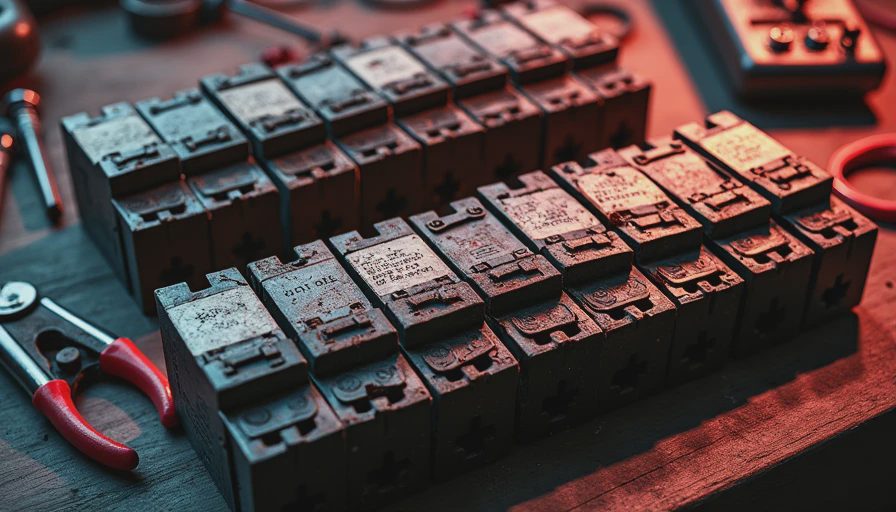
What a Bad Breaker Costs When You Ignore It
Let me give you some real numbers. A single-pole breaker costs about $5 to $20 at the hardware store. An electrician to replace it costs $100 to $200. That's the cheap scenario.
Now, the expensive scenario: I handled a claim where a bad breaker for a basement circuit never tripped during an overload. The wire overheated behind the drywall, melted the insulation, and started a slow smolder that eventually ignited the wall studs. Total damage: $22,000. The homeowner had noticed the breaker was warm for months but never called anyone.
Another claim: a refrigerator outlet protected by a failing arc-fault breaker kept tripping. The homeowner bypassed the breaker by swapping in a standard one—not knowing the wiring had a small nick that only the arc-fault could detect. Eventually, the nick arced, blew the new breaker, and the refrigerator defrosted. Lost food and spoiled medicine: $1,200. Plus a service call to fix the wiring: $350.
The math is clear: ignoring a bad breaker is a gamble where the house is the stake. Most breaker problems don't cause fires—but the ones that do are expensive, destructive, and preventable.
How to Confirm Your Suspicion (Safely)
I'm not going to give you step-by-step repair instructions. That's for an electrician. But here's how to know for sure whether your breaker is the problem.
Step one: Identify the circuit that's acting up. Label it in the panel. Then, unplug everything on that circuit. If the breaker still trips with nothing plugged in, it's likely a wiring issue or the breaker itself.
Step two: If it only trips under load (when you run the microwave or vacuum), borrow or buy a simple plug-in load tester—about $15. It will tell you if the outlet has a wiring fault. No replacement instructions needed; just check the lights on the tester.
Step three: If the breaker feels hot or you hear buzzing, stop testing. Call a licensed electrician. That's not a DIY moment.
Step four: When you do call an electrician, ask them to verify the breaker's trip curve. A failing breaker often trips at a lower current than its rating. An electrician can test this with a specialized meter. The test costs a service call but saves you from misdiagnosing a problem.

Bottom Line: When to Act
A single nuisance trip after a storm or power outage? Probably nothing. Two trips in a month? Mark the calendar. Three trips, or any buzzing or heat? Act now.
If you're still wondering how to tell if you have a bad breaker, look for the signs I listed. If you see one, don't wait for the next trip. A ten-minute check today—and a potential $150 electrician visit—can save you a headache and a five-figure insurance claim.
Now go walk your panel. You have ten minutes.
Common Questions About Bad Breakers
Q: Can a bad breaker work intermittently, then fail completely?
Yes. This is actually the most dangerous pattern. A breaker can trip reliably for months, then one day stop tripping when it should—or fail to reset altogether. That's why you can't assume it's fine just because it resets today. If you've had repeated trips, replace the breaker even if it seems to hold now.
Q: Does a tripping breaker always mean the breaker is bad?
No. A breaker trips when it detects an overload, short circuit, or ground fault. The first step is to reduce the load on that circuit. If the breaker still trips with normal appliances, then suspect the breaker or wiring. But if you plug a space heater into a 15-amp circuit that already runs a TV and lights, the breaker is doing its job. The problem is the load, not the breaker.
Q: How much does an electrician cost to diagnose a bad breaker?
A standard service call runs $75 to $150 just to show up, plus about $50 to $100 for the diagnosis. Replacing a single breaker adds another $100 to $200 if it's a standard type. AFCI or GFCI breakers cost more—$30 to $50 for the part. Total for a typical bad breaker replacement: $200 to $400. Compare that to the cost of a fire.
Q: Is it safe to replace a breaker myself?
If you have experience working inside a live panel, yes—but most homeowners should not. The panel's main lugs remain energized even with the main breaker off (unless you pull the meter, which the utility owns). One slip of a screwdriver can cause a flash that sends you to the hospital. I've seen it happen. The $150 you save by DIY isn't worth the risk.
Q: How often should breakers be replaced?
Quality breakers from brands like Square D, Eaton, or Siemens can last 30 to 40 years under normal conditions. But if they trip frequently, that lifespan drops fast. Each trip stresses the internal mechanism. I recommend testing AFCI and GFCI breakers monthly using the test button. If they don't trip when tested, replace them immediately.
Q: What's the difference between a tripped breaker and a bad breaker?
A tripped breaker is a normal safety response. You reset it and move on. A bad breaker either trips when it shouldn't (nuisance tripping) or fails to trip when it should (no trip during overload). The first is annoying, the second is dangerous. You can tell the difference by pattern: if a breaker trips every time you run a specific appliance that used to work fine, start suspecting the breaker.
If you still need to know how to tell if you have a bad breaker, watch for the patterns above. The best test is a simple one: if you're asking the question, it's worth calling an electrician. Peace of mind is cheap at that price.


No comments yet.