You are standing at the kitchen sink, watching water circle the drain instead of disappearing. You run the disposal, try hot water, and tell yourself it is probably grease. Sometimes it is. Sometimes that slow sink is the first visible sign of a blockage farther down the line. Clogged drain service is not automatically an emergency, but waiting until wastewater reaches the floor is an expensive way to learn the difference.
I used to write checks for water damage claims. Now I write about the small warnings that came first. A ten-minute check today saves a ten-thousand-dollar call tomorrow. If one fixture drains slowly, you have a scheduling problem. If several fixtures gurgle, drain slowly, or back up together, you have a plumbing problem that deserves attention soon.
What a Slow Drain Is Trying to Tell You
A single slow bathroom sink usually points to buildup near the stopper or trap. Hair, soap residue, toothpaste, and shaving products accumulate gradually. That is annoying, but it is often a contained issue. A kitchen sink may slow because cooking grease has cooled inside the branch line. These are common reasons homeowners search for clogged drain service, and they do not always require a same-day visit.
The more important clue is location. If the upstairs shower drains slowly while the nearby toilet bubbles, the restriction may be farther along the bathroom branch. If the laundry standpipe overflows when the washer pumps out, the line may not be handling the volume it once did. When a tub, toilet, and sink in the same area act up together, do not assume three separate clogs. One blockage can create several symptoms.
I once inspected a house where the owner had used liquid drain cleaner every few weeks for nearly a year. The sink would improve briefly, then slow again. The eventual plumber found a heavily restricted line, while the repeated chemicals had damaged a chrome drain fitting. The homeowner paid roughly $325 for clearing and replacement instead of a simple service visit that might have cost $150 to $250 earlier.
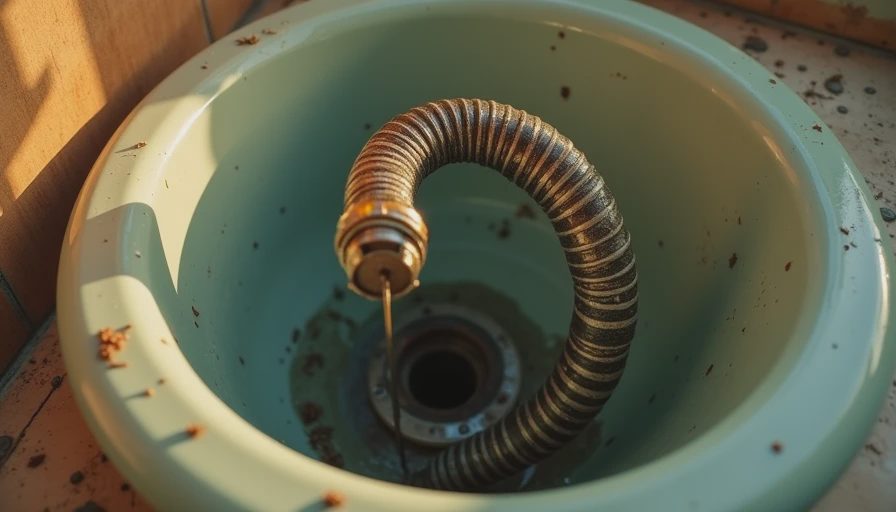
When Clogged Drain Service Should Happen Today
Call promptly when water backs up into a shower or floor drain, especially if the water is gray, foul-smelling, or connected to toilet use. That suggests wastewater is involved, and household cleaners are not an appropriate response. Stop using fixtures connected to the affected line until a professional can assess it. A small amount of clean water under a sink is different from sewage backing into a finished basement.
Treat these signs as urgent: multiple fixtures backing up, a toilet overflowing repeatedly, sewage odor that persists after cleaning, or water appearing around a floor drain during laundry. If a basement drain overflows, keep people and pets away from the water and avoid electrical equipment in the area. The plumbing issue may be manageable, but contamination and damaged flooring can multiply the bill.
A localized sink clog that still drains slowly can usually wait for a scheduled clogged drain service appointment within a day or two. A completely blocked main line should not sit for a week. In my claims files, the first service call was often under $400. The later cleanup, drywall removal, flooring replacement, and antimicrobial treatment could reach $3,000 to $10,000, depending on where the backup spread.
What the Visit Usually Costs
For a straightforward interior drain clearing, homeowners often see a service charge in the range of $150 to $350. After-hours visits, difficult access, and heavy obstructions push that number higher. A plumber using a cable machine may quote $250 to $600 for a stubborn line. Hydro jetting, which uses pressurized water for appropriate larger or heavily scaled lines, can run approximately $500 to $1,200.
Those figures are not interchangeable solutions. A camera inspection can add $150 to $400, but it becomes valuable when the blockage returns, the home has older clay or cast-iron piping, or roots are suspected. Repeatedly clearing the same line without identifying the cause is like resetting a tripped breaker without asking why it tripped. You are paying for temporary quiet.
Replacement is where the ledger changes. A small section of accessible drain pipe might cost several hundred dollars. Excavation, concrete removal, landscaping, or a long sewer-line replacement can cost several thousand dollars. That does not mean every slow drain needs a camera or a repipe. It means recurrence is useful information, not bad luck.

How to Choose the Right Plumber
When requesting clogged drain service, describe the symptoms rather than simply saying the drain is blocked. Tell the company which fixtures are affected, whether the problem returns, whether flushing changes anything, and whether there is standing water. Ask whether the diagnostic fee is separate from labor, whether after-hours pricing applies, and what equipment the technician expects to use.
Be cautious about a phone quote that promises a very low total without asking any questions. A $99 advertised visit may cover only arrival, with machine time, difficult access, or additional labor added later. That does not automatically make the company dishonest, but the pricing structure should be clear before work begins. Look for a licensed, insured local contractor with a written invoice and a practical explanation of the cause.
You also do not need the most aggressive service automatically. A cable clearing may be appropriate for a localized obstruction. A camera makes more sense when the same line fails repeatedly. Hydro jetting can be useful in certain pipes, but it is not a magic answer for damaged or fragile plumbing. Good diagnosis comes before expensive equipment.
Preventing the Next Backup
Prevention starts with what enters the line. Keep cooking grease, coffee grounds, flour, wipes, paper towels, and cat litter out of household drains, even when packaging suggests a product is flushable. Use drain screens where hair is a recurring issue. In the kitchen, run plenty of water during normal disposal use and avoid treating the disposal as a trash can.
Watch the calendar, too. If a drain has slowed twice in three months, schedule clogged drain service before a holiday gathering or long trip. If a home has mature trees near the sewer path, ask during an inspection whether older lines deserve a camera check. Tree roots do not need to break a pipe dramatically; they can enter a joint and gradually catch paper, grease, and debris.
Do not rely on chemical cleaner as a maintenance plan. It can create a hazard for the next person working on the line, and it does not correct a sagging pipe, root intrusion, or damaged connection. Prevention is usually a conversation, an inspection, or a modest service call rather than a major project.
The Decision I Would Make in Your House
If one sink is slow but usable, book a routine visit and monitor nearby fixtures. If water backs up in multiple places, stop using the affected plumbing and call clogged drain service promptly. If the problem keeps returning, pay for diagnosis instead of collecting temporary clearings. That is the point where a camera inspection can save money by identifying a structural problem before a backup reaches finished rooms.
Homeowners sometimes spend $5,000 preventing a $200 problem. I do not recommend that. I do recommend spending $200 to $400 when the warning has repeated, because the alternative is letting water choose the timing and location of the next repair. Today, flush a toilet while listening at the nearest drain, check under the sinks for moisture, and write down any slow fixtures. Now go walk your basement. You have ten minutes.


No comments yet.