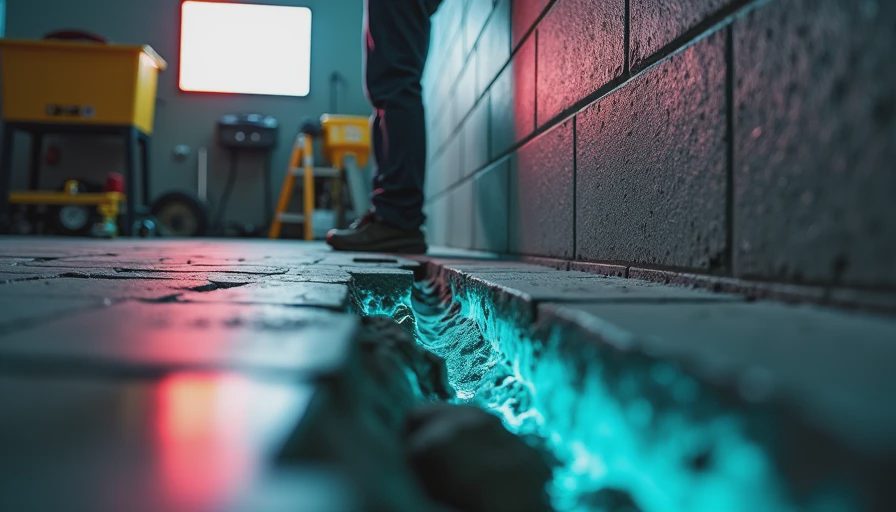
You are standing in the basement after a hard rain, looking at a thin line running across the concrete. The floor is dry, so you tell yourself it can wait. I used to write checks for damage like this. Now I inspect homes and explain what that crack is trying to tell you before it becomes an expensive claim. A crack in basement wall is not automatically an emergency, but its location, direction, width, and relationship to water matter.
The useful question is not simply, “Is this bad?” It is, “What changed, and how fast?” Concrete and poured foundations commonly develop small shrinkage cracks as they cure. Soil movement, hydrostatic pressure, poor drainage, and foundation settlement can create more serious movement. Your job is to identify the pattern and choose a reasonable response, not panic at the first hairline mark.
First, classify the crack by location and direction
Start by looking at the shape. A narrow vertical crack in a poured concrete wall is often related to normal curing or minor settlement. If it is dry, stable, and narrower than a credit card edge, an inspection can usually be scheduled rather than treated as a same-day emergency. Keep a dated photo and measure it periodically with a ruler. You are watching for change, not trying to diagnose the entire foundation from one glance.
A horizontal crack deserves more attention because it can indicate sideways pressure from wet soil against the exterior wall. That does not mean the wall will fail tonight. It does mean I would want a qualified foundation professional to evaluate it promptly, especially if the crack is widening, bowing, or accompanied by doors that suddenly stick. A stair-step crack in a block foundation can point to differential settlement, particularly when it extends through mortar joints and appears on both the interior and exterior.
Diagonal cracks from a basement window or corner deserve a closer look too. The surrounding opening interrupts the wall, concentrating stress in that area. A crack in basement wall near a window may be harmless shrinkage, but it becomes more concerning when you see displacement, crumbling masonry, or repeated water entry.

Water changes the decision
Water is often the difference between monitoring a crack and making a call this week. Look for dampness, white powdery mineral deposits called efflorescence, peeling paint, rusty metal, or a musty smell. Efflorescence means moisture has moved through the masonry and left salts behind. It does not prove structural failure, but it tells you the wall is not staying dry.
Check the timing. Does water appear only during long spring storms, or does the area stay damp in dry weather? Is the puddle smaller than a dinner plate and gone within four hours, or is there a recurring wet strip along the floor? A small, infrequent seep may be a drainage and waterproofing issue. Standing water, active dripping, or moisture near electrical equipment deserves faster attention.
Before blaming the wall, walk outside. Downspouts should discharge away from the foundation, grading should direct water away from the house, and gutters should not be overflowing beside the wall. These observations do not replace an inspection, but they help explain why the problem appears after rain. I have seen homeowners spend $5,000 on interior work when a blocked downspout was sending every storm directly against the foundation.
When a crack needs professional evaluation
Call for an evaluation soon when the opening is wider than roughly one-eighth inch, changes noticeably over a season, or appears with bowing, bulging, or displacement. Also act promptly when multiple cracks form a connected pattern, the basement wall leans inward, or windows and doors above the area become difficult to operate. Those combinations suggest movement rather than a cosmetic surface defect.
A crack in basement wall that is growing at both ends is more useful information than its current width. So is a wall that has shifted inward by even a modest amount. Take wide and close photographs, note the date, record recent heavy rain or freeze-thaw conditions, and gather any previous inspection reports. A structural engineer can provide an independent opinion; a reputable foundation contractor can discuss stabilization or drainage options. Be cautious with anyone who recommends a major repair without explaining the observed movement and its likely cause.
An inspection commonly costs a few hundred dollars, while more involved engineering assessments can cost several hundred dollars more depending on location and access. That is a much smaller decision than a foundation stabilization project that can run from several thousand dollars to well over $20,000 when excavation, anchors, piers, or extensive drainage work are involved.
What insurance usually means here
Homeowners insurance generally covers sudden, accidental damage from a covered event, such as certain plumbing failures or storm-related incidents. It typically does not cover gradual settlement, earth movement, wear, poor maintenance, or water entering through a long-standing foundation problem. Policies differ, and exclusions can be complicated, so do not assume a visible crack itself is an insured loss.
If a sudden event caused new damage, document the date, weather, water path, and affected belongings before cleaning everything up. Do not exaggerate the cause or discard damaged materials before photographing them. If the issue developed slowly over months, prevention and repair planning are usually more productive than expecting an insurance check.
From the claims files I read, the costly part was often not the original crack. It was the finished basement, soaked insulation, damaged flooring, microbial growth, and stored furniture that followed repeated water entry. A $300 drainage correction ignored for two seasons can become a $10,000 interior restoration. That is why I care about early clues even when the structure itself looks stable.
A practical decision guide for homeowners
If the crack is hairline, vertical, dry, and unchanged, photograph it and monitor it through wet and dry seasons. If it is narrow but damp, investigate exterior drainage and arrange a general inspection before finishing the basement or installing new flooring. If it is horizontal, stair-stepped, widening, or paired with bowing, schedule a foundation or structural evaluation soon. If you see rapid movement, major displacement, active flooding, or unsafe conditions around utilities, leave the area and get professional help immediately.
Do not cover the evidence with paneling, thick paint, or new drywall before someone evaluates it. Finishing a basement can hide the very measurements that determine whether movement is active. If you are buying a home, ask for repair invoices, engineer reports, waterproofing warranties, and disclosure records. A seller’s statement that the crack was “sealed years ago” is a starting point, not a diagnosis.
The cost of waiting versus acting
Monitoring costs almost nothing beyond a few minutes and good photographs. A basic home inspection may cost approximately $300 to $600, while a structural engineer’s assessment often falls in the several-hundred-dollar range. Localized crack injection or drainage work can cost hundreds to a few thousand dollars. Stabilization, excavation, or extensive interior removal can climb into five figures.
That does not mean every crack deserves the most expensive solution. I have seen people spend thousands to prevent a $200 cosmetic problem, and I have also seen a small ignored seep ruin flooring and drywall. The right move is proportional: identify whether water or movement is present, document the change, and pay for the right opinion before authorizing major work.
A ten-minute check today saves a ten-thousand-dollar call tomorrow. Walk your basement, photograph every suspicious mark, and arrange an evaluation if the pattern is widening, wet, horizontal, or visibly displaced.


No comments yet.