You are standing in the basement after a hard rain. The floor is dry, but a diagonal crack runs from the window corner toward the floor. You search foundation repair cost and find everything from a few hundred dollars to the price of a new car. I understand the confusion. I used to write checks for property claims. Now I inspect homes and help owners decide whether a crack needs attention this week, this year, or not at all.
The honest answer is that foundation repair cost depends on movement, water, soil, access, and the repair method. A narrow, stable crack might cost $300 to $900 to evaluate and seal. A foundation wall that is bowing or settling can require $8,000 to $25,000 or more. The first job is not collecting contractor estimates. It is identifying what problem you actually have.
What Determines Foundation Repair Cost
The most important factor is whether the foundation is damaged or simply showing a common construction crack. Concrete shrinks as it cures. A vertical hairline crack in a poured basement wall, with no moisture and no change over time, is often a monitoring issue rather than an emergency. A horizontal crack, stair-step crack in masonry, or crack that grows noticeably deserves a professional evaluation.
Soil conditions matter too. Expansive clay swells when wet and shrinks during dry periods, pushing and pulling on the structure. Poor drainage can concentrate water along one wall. A downspout discharging beside the foundation can create a problem that looks structural but begins with roof runoff. In other homes, the issue is settlement: part of the house moves downward because of fill soil, erosion, or changing moisture levels.
Access can change the quote dramatically. A contractor working from an open basement may have a simpler job than one excavating eight feet of soil beside a finished addition. Interior carbon-fiber reinforcement may cost roughly $600 to $1,500 per wall section, while exterior excavation and waterproofing can run $10,000 to $25,000. These are planning ranges, not guaranteed bids, but they show why two homes with similar cracks can have very different foundation repair cost.

Typical Price Ranges by Problem
Small crack sealing is usually the least expensive category. Injection or sealing for a limited vertical crack may fall between $300 and $900, depending on length, access, and whether water is present. That price is easier to justify when the crack leaks during rain. If it is dry and stable, monitoring may be the smarter financial decision.
Water management is often overlooked. Extending downspouts, correcting grading, or improving a small drainage area might cost $200 to $2,000. A full exterior drainage and waterproofing project can reach $8,000 to $20,000. It is not technically foundation repair in every case, but it can prevent water pressure from turning a manageable condition into a major one.
Piering or underpinning for settlement commonly costs $1,000 to $3,000 per pier, with total projects often landing between $10,000 and $30,000. The number of piers depends on the affected length and structural design. Wall bracing, helical anchors, or steel supports can range from $5,000 to $15,000 or more. If floors, plumbing, drywall, or exterior finishes were damaged, those costs come after the structural work.
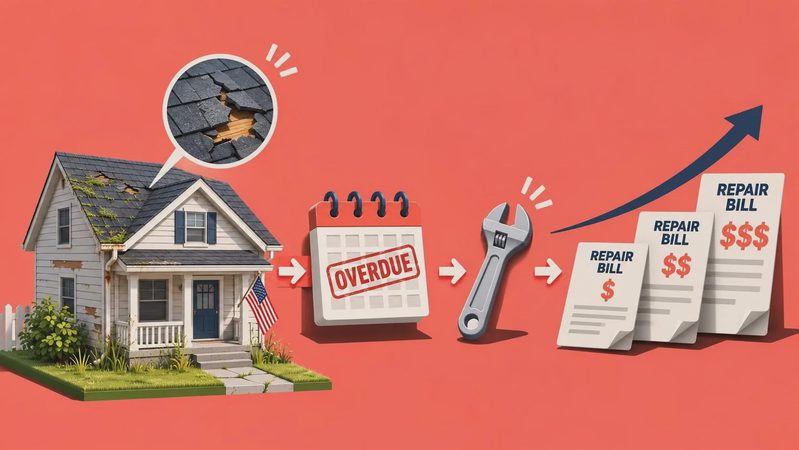
I once reviewed a claim where a homeowner focused on a basement crack and ignored the gutter above it. The crack was not the expensive part. Saturated soil and repeated seepage damaged finished walls and flooring, producing a repair bill near $12,000. The original drainage correction would have been far less.
Warning Signs That Change the Timeline
Not every crack means a house is in immediate danger. I pay attention to patterns. A crack wider than a credit card, a wall that visibly bows, doors that suddenly bind, or floors that slope noticeably should move an inspection higher on your list. Water stains, musty odors, and white mineral deposits on concrete indicate moisture, even if the basement is dry today.
Measure and photograph the area, then record the date. You are not trying to diagnose the structure with a ruler. You are creating useful information for an inspector or structural engineer. Recheck after heavy rain and through a seasonal change. Rapid growth, new cracks appearing in several rooms, or separation around windows deserves faster action than one unchanged hairline crack.
Call a qualified professional when the pattern involves movement, not just appearance. A general contractor may be appropriate for drainage work, while a structural engineer can assess whether settlement or wall movement is significant. Ask for the cause, the evidence supporting the recommendation, and the consequence of waiting six months. If the explanation is simply “your foundation looks bad,” keep asking questions.

How to Review a Foundation Quote
A useful quote should describe the observed condition, proposed solution, location, materials, warranty terms, and exclusions. It should also identify whether the price includes permits, excavation, soil removal, concrete replacement, drainage work, and restoration of finished surfaces. A $9,000 quote can become a $14,000 project when those items are left vague.
Get at least two opinions for major work, but do not compare only the bottom line. One company might recommend interior bracing; another might propose excavation and waterproofing. Those approaches solve different problems. Ask each contractor to explain why the chosen method fits the evidence and what happens if the underlying water or soil issue remains.
Be careful with permanent warranties that sound better than they are. A warranty may cover a specific crack, a particular wall, or future leakage under narrow conditions. It may not cover settlement, cosmetic repairs, drainage, or damage caused by changes in grading. Read the terms before signing, especially the transfer rules if you plan to sell the house.
Does Homeowners Insurance Pay?
Homeowners insurance generally does not cover gradual settling, soil movement, normal wear, or maintenance-related water intrusion. It can cover certain sudden, accidental events depending on the policy, such as damage from a covered burst pipe or an insured vehicle impact. Foundation damage caused by long-term drainage problems is commonly treated as maintenance rather than a covered loss.
That distinction matters when calculating foundation repair cost. Do not wait for a crack to become severe because you assume an insurance claim will handle it. Document the condition, review your policy, and report a potentially covered sudden event promptly. A policy decision depends on the cause and wording, not simply on the size of the repair bill.
The Practical Decision
If the crack is narrow, dry, vertical, and unchanged after several months, schedule routine monitoring and address obvious drainage problems. If the wall is bowing, several cracks are progressing, or doors and floors are changing at the same time, arrange an evaluation soon. If water is entering during every storm, deal with the source before finishing the basement or replacing flooring.
The right foundation repair cost is not always the lowest quote. Sometimes spending $600 on a qualified inspection prevents a $15,000 project. Other times, an owner is offered $20,000 of structural work when better grading and a downspout correction address the real issue. I used to think every foundation crack belonged in the expensive category. Field inspections corrected that assumption.
A ten-minute check today saves a ten-thousand-dollar call tomorrow. Walk your basement, photograph the cracks, look outside at where the downspouts discharge, and write down what changed after the last heavy rain. That information will make your next decision faster, calmer, and considerably less expensive.

No comments yet.