What Tools Does a Home Inspector Need? A Claims Adjuster's View
I spent eight years writing checks for homeowners who wished they'd caught a problem sooner. Now I'm the guy walking through attics with a flashlight, and I get the same question at every open house: what tools does a home inspector need? It's a fair question, because most buyers assume an inspector shows up with a van full of gadgets. The truth is a lot simpler, and a lot cheaper than you'd expect. After roughly 1,200 inspections, I've whittled my daily kit down to about a dozen items. Some cost under $20. A few cost real money. But they all earn their spot because they find the things that turn into $10,000 claims.
So what tools does a home inspector need? The non-negotiables
Every home inspector needs the basics: a flashlight, a ladder, a screwdriver, and a pair of sturdy shoes. But the tools that separate a thorough inspection from a room-by-room stroll are the ones that detect hidden water, hidden heat, and hidden electrical problems.
A moisture meter is the one tool I refuse to leave in the truck. I've seen too many cases like the one where a slow toilet supply line leak soaked the subfloor over six months. The homeowner didn't notice until the tile started to crack. By then the repair bill hit $8,600, and the insurance claim covered less than half because it was a maintenance issue, not a sudden event. A moisture meter catches that in about thirty seconds. You can get a pin-type meter for around $30 to $60, and a pinless one for $100 to $200. If the reading on a wall or floor is above 17 percent moisture content, you've got a problem to chase.
I also carry a non-contact voltage tester. It's a pen-sized tool that beeps when it senses electricity. It costs about $15 and prevents the classic mistake of assuming a wire is dead. In 1,200 inspections, I've found at least a hundred outlets with reversed polarity or missing grounds using a simple three-light outlet tester. That little plug-in device costs under $10 and tells you if the wiring is safe. If every homeowner owned one, I'd be out of a job.
Where the pros spend real money
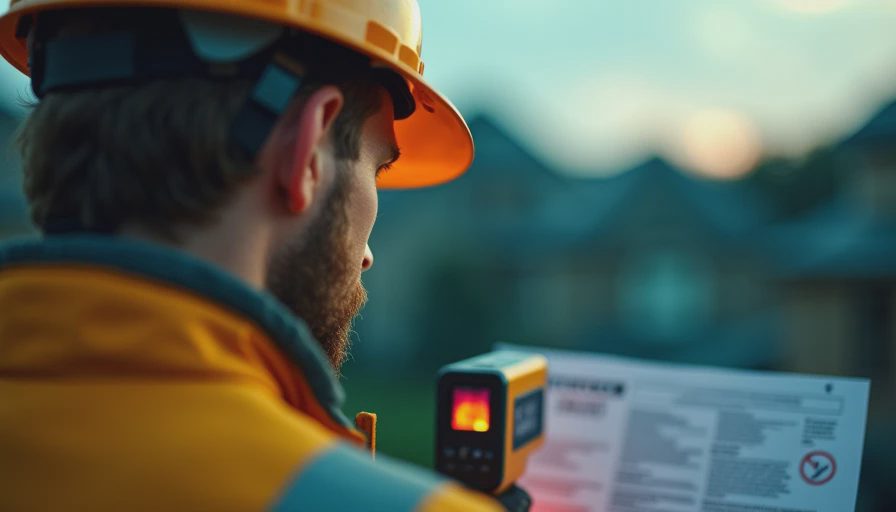
The one big-ticket item that earns its place is a thermal imaging camera. I used to think it was overkill until I inspected a house where the ceiling in a spare bedroom showed a faint warm spot. The homeowner thought it was a heating duct. It was a slow roof leak that had saturated the insulation. The camera paid for itself on that single inspection. A decent thermal imager runs $300 to $600, and while you don't need to own one, your inspector should use it. It finds missing insulation, water behind drywall, and overloaded electrical circuits before they become costly claims.
Another tool worth spending on is a combustion analyzer if the house has a gas furnace. I use a basic model that measures carbon monoxide and temperature rise. It costs around $400, but it's the only way to know whether a furnace is burning safely and efficiently. On a recent inspection, it caught a cracked heat exchanger that would have put carbon monoxide into the living room. That's a $1,500 repair now versus a hospital visit later.
The cheap tools that earn their keep
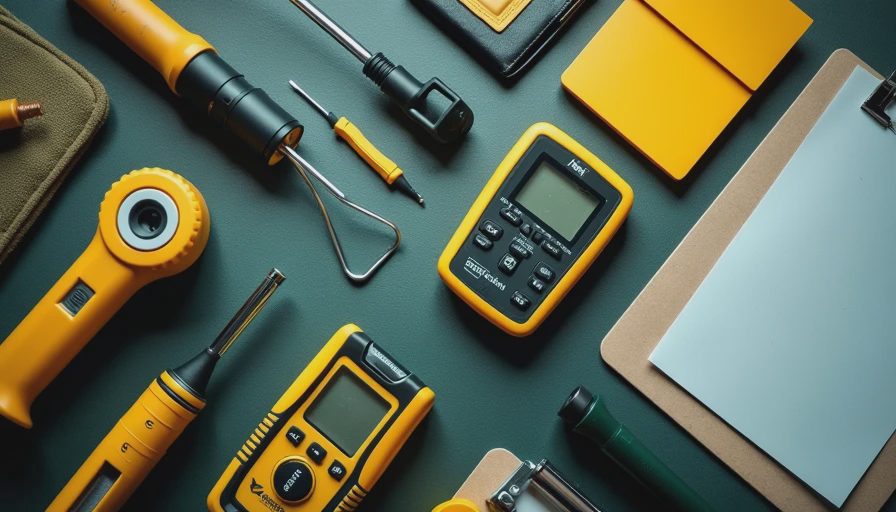
You don't need to spend a fortune to be a smarter home buyer. A bright LED flashlight with a focused beam costs $25 and reveals cracks and stains in dark corners. A small inspection mirror, about $8, lets you see behind water heaters and inside electrical panels. A 25-foot tape measure, a torpedo level, and a screwdriver round out the kit. I also carry a pair of binoculars to inspect roof shingles from the ground and a $40 endoscope that fits into wall cavities and ceiling penetrations. These inexpensive tools have saved my clients thousands in hidden repair costs.
What not to waste money on
Every fall I see "home inspection kits" advertised online with 200 pieces and a carrying case. Most of that plastic is junk. You don't need a full mold testing kit; mold testing is often inaccurate and rarely changes the decision on a purchase. A moisture meter and a thermal imager tell you more than an air sample ever will. Skip the ultrasonic listening devices and the moisture sensors that cost $300. A careful walkthrough with the right few tools beats a bag of gadgets every time.
Why the tool list matters less than the detective work
The literal answer to what tools does a home inspector need is about a dozen items. But the real tool is the person carrying them. Inspecting is about understanding how water moves, how heat flows, and what a settling crack actually means. I've walked into houses where the buyer had every inspection gadget money can buy, and they still missed a grading problem that sent water toward the foundation. A ten-minute check today saves a ten-thousand-dollar call tomorrow.
Use this list before you hire
When you're interviewing home inspectors, ask what tools they bring. A good inspector will walk you through their moisture meter, thermal camera, and electrical testers without hesitation. If they tell you they just "look around," that's a red flag. The cost of an inspection runs $300 to $500 for a typical single-family home, and the extras like sewer scopes or radon tests are usually separate. Spend the extra $100 for a sewer scope if the house is older than 20 years. I've seen $4,000 sewer line replacements that a scope would have caught during the negotiation.
So yes, the tools matter. But the real value comes from knowing what to look for and having the experience to tell a harmless stain from a hidden leak. That's what separates a good inspection from a checklist. Now go walk your basement. You have ten minutes.


No comments yet.