I used to write checks for this. Now I write about it so you don't need the check. A pre purchase building inspector is the last line of defense between you and a money pit. When I was a claims adjuster, I saw the same story over and over: a family finds the perfect house, skips the inspection to save a few hundred dollars, and six months later they're staring at a $14,000 repair bill that was visible to a trained eye. This guide walks you through what an inspector does, what you'll pay, and how to read the report without panicking.
Let me start with a real one from my files. Case file #112: a couple was under contract on a 1978 split-level. They waived the inspection to beat out another bid. That was the same week I got their claim after the furnace went out in January. The heat exchanger was cracked, the water heater was leaking onto the subfloor, and the main drain line had shifted. Total to make it livable: $14,200. That inspection would have caught all three in about two hours. The $400 they saved on the home inspection cost them fourteen thousand.
What does a pre purchase building inspector actually look at?
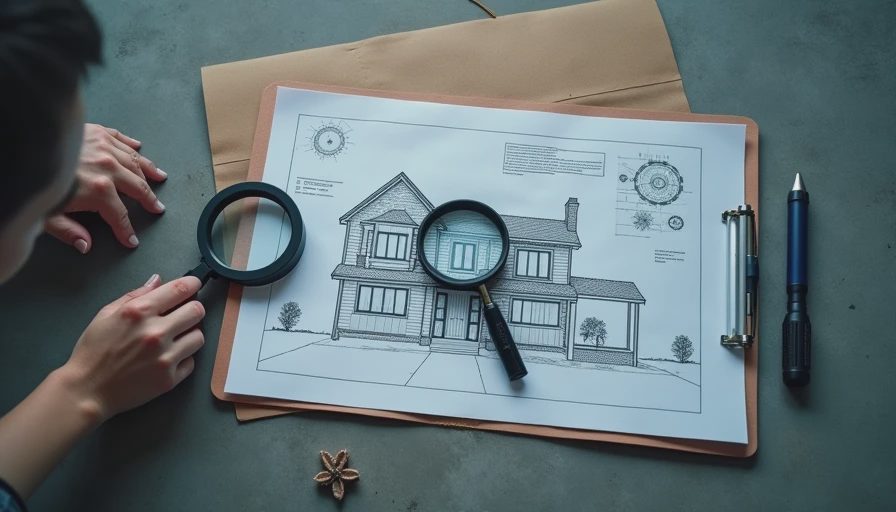
A thorough inspector doesn't just poke at the siding and declare it "fine." You're paying for someone to inspect the systems that cost the most to replace: the roof, the foundation, the electrical panel, the plumbing, the HVAC, and the structure itself. They should get into the attic, the crawlspace, and the mechanical closet. They should run the appliances, climb on the roof (or at least scope it with a drone), and test every outlet they can safely access. A good inspection takes two to three hours for a standard 2,000-square-foot home.

But understand what they don't cover. A home inspector isn't a specialty engineer. They aren't testing for mold, radon, termites, or sewer line issues unless you pay extra for those specific tests. Those run $100 to $200 each and are often worth it on older homes. And they won't tell you if the kitchen cabinets are ugly. Their job is to flag material defects and safety issues, not stave off decorating remorse.
How much does a pre purchase building inspector cost?
For a typical single-family home, expect to pay between $300 and $500. If the house is over 3,000 square feet, or has a crawlspace that requires actual crawling, the bill can drift toward $600 or $700. Add-on inspections — radon, termite, sewer scope, water quality — usually add $150 to $300 total depending on your area. The national average for a home inspection hovers around $350, but that number is less useful than the market rate in your metro area. In Denver, I typically see $400 to $550 for a solid, nonevent inspection.
Questions to ask before you hire a pre purchase building inspector
Don't just pick the first name from a search result. Call three and ask these four questions. First, are you certified? Look for InterNACHI, ASHI, or a state license if your state requires one. Second, can I attend the inspection? Any good inspector wants you there. It's the best education you'll ever get on your own house. Third, do you carry errors and omissions insurance? If they miss a cracked foundation and you discover it later, that insurance may be your only recourse. Fourth, how quickly will I get the report? A solid inspector delivers within 24 hours, often the same day.
One more question that separates the pros: "What's the most common problem you see in this neighborhood?" The answer tells you how much field experience they have. If they can't name three things off the top of their head, run the other way.
Red flags to watch for during your walkthrough
You don't have to be an inspector to spot problems. During the first visit, look for water stains on ceilings and walls, especially in the basement. Check if the floor slopes when you roll a marble across it. Look at the age of the furnace and water heater; if they're over 15 years, plan on replacing them soon. Stick your head in the attic and see if there's daylight coming through the roof. And touch the outlets in the garage — if they're ungrounded, that's a code issue.
The threshold for concern is simple. A crack in the foundation that's narrower than a credit card and has been stable for years is a cosmetic issue. Anything wider, cracks that are actively growing, or cracks with moisture on the other side — call a structural engineer before you sign anything. A good inspector will flag this, but you can see it yourself first.
How to use the report (and when to walk away)
The report isn't a list of reasons to cancel the house. It's a negotiation tool. Categorize every item into three buckets: safety hazards, structural issues, and maintenance items. Safety hazards (exposed wiring, gas leaks) need to be fixed before you move in — ask the seller to fix them or lower the price. Structural issues (foundation movement, roof rot) justify a professional quote and a credit. Maintenance items (old water heater, worn gutters) are normal; budget for them over the next five years.
If your inspector finds $10,000 worth of structural problems, you need to decide if the house is priced right. Sometimes the seller will agree to an $8,000 credit and the deal goes through. But if the foundation is failing and the seller won't budge, walking away is not a failure. I've seen too many buyers eat a bad deal because they fell in love with a kitchen.
A ten-minute check today saves a ten-thousand-dollar call tomorrow. Now go book that inspection. You have ten minutes.


No comments yet.