If you’re standing in a cold basement in October, wondering how much does it cost to have a furnace serviced, the usual answer is $90 to $200 for a standard visit. In some cities, a basic tune-up runs closer to $150. If the technician finds dirty burners, a bad ignitor, or a clogged drain line on a high-efficiency unit, the bill climbs fast. I used to think furnace maintenance was one of those polite, optional tasks. Then I spent years reading claims files and saw how often a small, ignored issue turned into a no-heat call on the coldest night of the year.
For most homeowners, this is not a big-ticket project. It is more like changing the oil in a car: you pay a known amount to avoid a much uglier bill later. A ten-minute check today saves a ten-thousand-dollar call tomorrow.
What drives how much does it cost to have a furnace serviced?
The biggest factor is what kind of furnace you have and how much time the technician actually spends at the house. A simple single-stage gas furnace with easy access in a finished basement is usually cheaper than a high-efficiency unit tucked into a tight mechanical closet. If you live in a market where fall appointments book up fast, like a cold-climate suburb or a city with a short heating season, the price can rise because every company is slammed before the first hard freeze.
A clean, routine tune-up is usually priced as a flat visit. Once the tech has to remove more covers, test safety controls, clean flame sensors, inspect the venting, or deal with a condensate drain issue, you are no longer buying a cheap maintenance call. You are paying for diagnostic time. Some companies bundle the visit with a membership that runs $150 to $300 a year and includes a spring or fall check plus priority scheduling. That can be a fair deal if you actually use it.
The low end is not always a bargain. A $59 teaser often turns into a $250 invoice once the company adds “required” extras. If the quote sounds too cute, ask what is included before anyone rolls a truck.

What a basic furnace service should include
A real service visit should do more than glance at the unit and call it good. At minimum, the technician should inspect the burners, ignition system, blower compartment, thermostat communication, filter condition, and visible venting. On a gas furnace, they should also check for safe operation, unusual flame behavior, and obvious signs of wear, rust, or soot. On a high-efficiency model, the condensate drain and drain trap matter because a plugged line can shut the system down or leak water into the pan.
This is where the price starts to make sense. A $100 tune-up that includes a full safety check, cleaning, and a written summary is a different thing from a $100 truck roll that leaves you with a fresh invoice and no answers. I want a homeowner to come away knowing whether the system is heating evenly, whether there is a dirty filter causing strain, and whether the unit is just dusty or actually showing age.
If the tech says everything looks good, ask for the details in plain English. A good service report will tell you whether the furnace is operating normally, whether any parts are nearing the end of their life, and whether the current setup looks safe enough to ride through the season.
When the bill stops being maintenance and becomes a repair
A furnace service is one thing. A repair is another. Replacing a flame sensor, ignitor, capacitor, or pressure switch can add $100 to $400 depending on the part and labor. That is not outrageous, but it means the original maintenance price is no longer the whole story. If a technician has to swap a blower motor or address a control board issue, you are into real repair territory.
There is a point where paying for repeated service calls stops making sense. If the furnace is 15 to 20 years old, has a history of short cycling, and keeps tripping limits or going out on cold nights, you are not buying peace of mind anymore. You are paying to postpone a replacement conversation. That can still be the right move for one winter, but it should be a deliberate choice, not a habit.
A cracked heat exchanger, heavy rust in the burner area, or signs of improper venting are not routine maintenance items. Those are the moments when a service visit turns into a serious safety discussion. Most homeowners never see that side of the business until a tech points it out.
What I’ve seen on the claims side
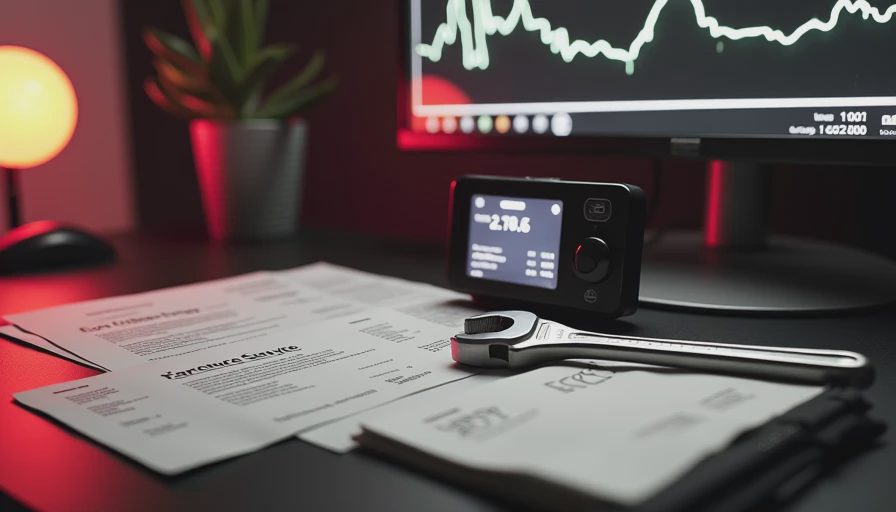
Case file #118 was a suburban ranch with a furnace that had not been serviced in years. The homeowner noticed the heat felt weak, then ignored it because the house still warmed up eventually. The issue was a dirty condensate drain and a slow leak that stained the utility room floor and damaged nearby drywall. The final bill was not just the furnace visit. It was about $1,600 in drying, repairs, and cleanup.
Another case looked cheaper on paper but cost more in annoyance. The furnace had a dirty flame sensor and kept shutting down intermittently. The homeowner skipped fall maintenance, then paid for an after-hours service call during a cold snap. The emergency visit was more expensive than a routine tune-up, and the winter timing meant every delay felt worse. That is the part people miss: the price of furnace service is not only the invoice. It is also the cost of choosing your timing badly.
I used to think homeowners overpaid for maintenance plans. Now I see why some of them buy one: predictable scheduling, less panic, fewer surprise nights without heat.
How to shop the visit without getting nickeled and dimed
Start by asking for a flat-rate furnace maintenance visit and a written list of what is included. If the company will not tell you whether filter checks, safety inspection, ignition testing, and basic cleaning are part of the price, keep looking. You do not need a lecture. You need a clear scope.
For a standard gas furnace in decent shape, a quote above $250 should come with a good reason, like difficult access, a high-efficiency drain inspection, or a combined heating and cooling membership. If the furnace has been ignored for three or four years, a higher first visit is normal because the tech has to clean more and diagnose more. What you want to avoid is paying full price for a check that does not actually check anything.
So when someone asks how much does it cost to have a furnace serviced, I tell them to budget $100 to $200 for a normal visit, more if the unit is older or the home is tough to access, and far more if the company is really fixing a problem instead of maintaining a system. Schedule it before the first hard cold snap, then walk your basement tonight and listen for rattles, short cycling, or a smell that does not belong there. Now go walk your basement. You have ten minutes.


No comments yet.