You are standing in the basement on the first cold night of October, and the house feels fine. That is exactly when yearly furnace maintenance cost starts looking optional. I used to think a furnace was either working or broken. After eight years reading claims, I know the expensive problems are usually the slow ones: the dirty flame sensor, the weak igniter, the blower that has been working too hard for months.
For most homes, yearly furnace maintenance cost is a small line item compared with the repair bill it is trying to prevent. A standard service visit often lands around $100 to $250, and a more detailed cleaning or multi-system visit can run $150 to $400. That is not pocket change, but it is usually less than what you spend when the furnace quits on the coldest week of the year and you are paying for a rush repair.
What a standard furnace tune-up usually covers
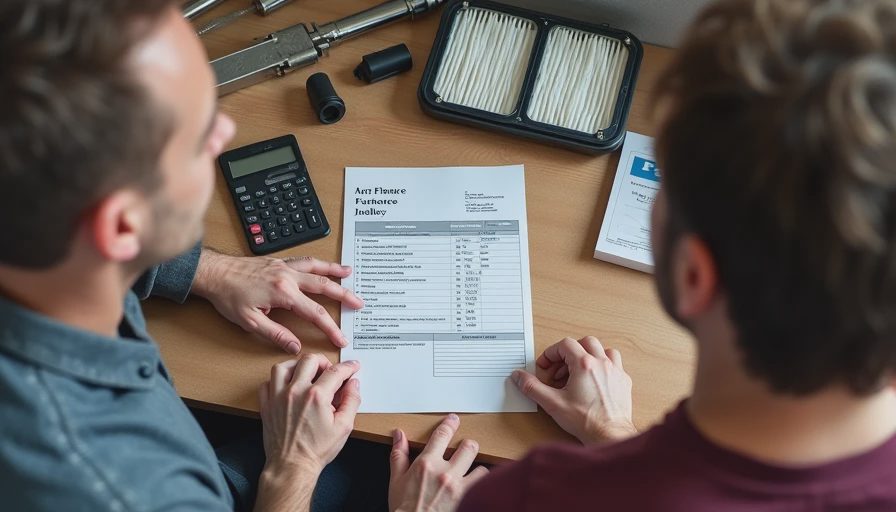
When a technician gives you a real furnace tune-up, you are paying for inspection, cleaning, and testing, not magic. The good ones check the burner assembly, ignition system, blower compartment, electrical connections, thermostat response, safety switches, and airflow. They also look for signs that the unit is short cycling, running too hot, or pulling in a lot of dust. If the furnace uses a filter that has not been changed, that shows up fast in higher wear and lower efficiency.
That matters because small failures compound. In one claim file I remember, a homeowner ignored weak airflow and a noisy startup for two heating seasons. The final bill was not just the service visit. It was a cracked igniter, a fried blower capacitor, and a weekend emergency call that pushed the total close to $700. Another home had a flame sensor issue that could have been handled during routine service, but by the time it turned into repeated shutdowns, the homeowner had already paid for two no-heat visits.
Why skipping it gets expensive fast
The cheapest furnace problems are boring. A dirty sensor, a clogged filter, or a loose connection is the kind of issue that looks minor until it becomes a no-heat call. The yearly furnace maintenance cost is really the price of catching those boring problems before they turn into overtime labor and parts markup. That is why heating contractors keep telling homeowners the same thing: the furnace usually gives warnings before it dies, but those warnings are easy to miss if you only think about it when the thermostat is set to 72 and the house is still cold.
A service call that seems expensive in September looks cheap in January. Emergency HVAC labor commonly adds a premium, and replacement parts are not random. A flame sensor may cost little compared with the trip charge. An igniter or capacitor can move the repair into the low hundreds. A blower motor, control board, or cracked heat exchanger changes the conversation entirely. Once a furnace reaches replacement territory, many homeowners are staring at roughly $4,500 to $9,000 or more for a new system, depending on size, efficiency, and local labor.
I used to write off annual service as something people bought because they were nervous. I do not think that anymore. It is more like changing the oil in a truck that hauls the family every winter. Skip enough intervals and the engine still runs, right up until it does not.
What pushes the price up or down
Not every house pays the same number. The biggest price swing is whether you have a basic furnace in an easy-to-access basement or a system tucked into a tight attic, crawlspace, or mechanical closet. Access matters because labor time matters. Age matters too. Older units often need more cleaning and more testing because parts are harder to find and the technician has to spend more time checking for wear.
Fuel type also changes the work. Gas furnaces usually need combustion and venting checks. Electric units have different failure points, often around elements, relays, and controls. If your HVAC company bundles the furnace visit with an air conditioner check, humidifier service, or whole-home inspection, the price can climb but the value can still be good if more than one system is getting attention.
The last piece is local market pricing. In a city with high service demand during the first cold snap, the same visit can cost more than it would in a slower market. That is normal. The mistake is comparing only the invoice total and not the repair risk sitting behind it.
When yearly furnace maintenance cost is worth it and when it is not
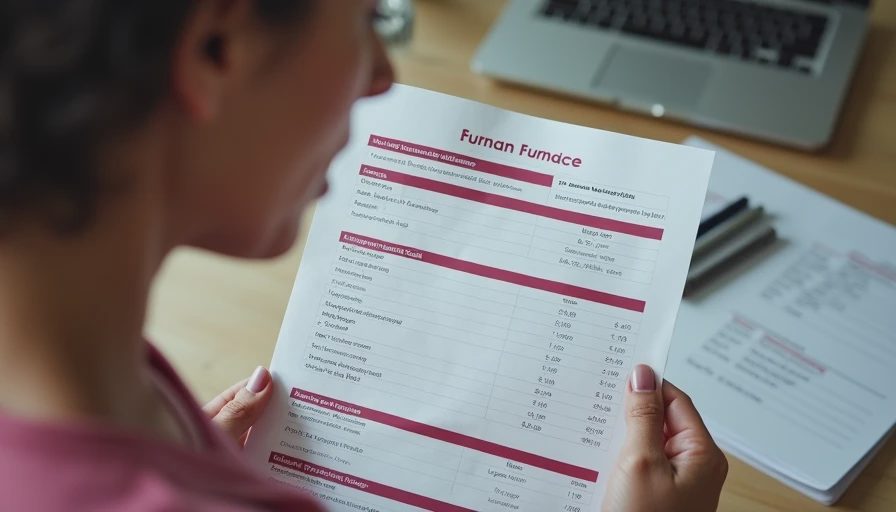
If your furnace is newer, heats evenly, and has not shown any warning signs, yearly furnace maintenance cost is usually easy to justify. You are buying cleaner operation, better odds of catching a failing part early, and one less emergency in the middle of winter. If the system is already struggling, routine service still has value, but it should be paired with a bigger decision about repair versus replacement. No tune-up can rescue a furnace with repeated ignition problems, major rust, or a heat exchanger issue.
There is a point where spending too much on endless service calls stops making sense. If you have paid for multiple repairs in two seasons and the unit is still unreliable, start comparing those bills against a replacement payment. A homeowner who spends $300 on service and then another $650 on parts in the same winter is no longer buying maintenance. They are renting time.
For the average single-family home, the math is plain. Pay a couple hundred dollars now, or risk a cold-weather call that can run several hundred dollars before the problem is even solved. That is why I tell people this is not about being cautious. It is about buying down a larger bill later.
A simple homeowner checklist before the technician leaves
If you want a quick printable checklist, use the service invoice as your proof. Make sure it names the filter size, the thermostat check, the safety controls, the ignition system, the blower compartment, and any unusual noises or wear the tech noticed. Ask whether the furnace is running cleanly and whether any part looks close to failure. You do not need a lecture on combustion theory. You need a clear answer on whether the system is healthy enough to make it through the season.
I also like one simple rule: if the house heats evenly, the startup is quiet, and the service visit does not turn up a repair estimate, you are in good shape for another year. If the technician finds repeated short cycling, soot, rust, or a part that is already marginal, do not treat that as a surprise. That is the furnace giving you notice before the expensive call.
The best homeowner move is simple. Schedule the visit before the first deep cold snap, keep the filter on a real replacement schedule, and save the invoice so you can compare year to year. A ten-minute check today saves a ten-thousand-dollar call tomorrow.


No comments yet.