You are standing in the basement after the first hard freeze. The floor is dry, the furnace is running, and nothing looks urgent. That is exactly when a winter home maintenance checklist earns its keep. Most expensive winter claims do not begin with a dramatic burst pipe. They begin with a gutter that never drained, a cracked hose bib, or a furnace making a strange sound that nobody wanted to investigate.
I used to write checks for these losses. Now I write about them so you do not need the check. A ten-minute check today saves a ten-thousand-dollar call tomorrow. The goal is not to spend $5,000 preventing a $200 nuisance. It is to identify the few conditions that can turn into damaged drywall, ruined flooring, or a house without heat.
Start Outside: Water and Snow Are the First Threats
Walk the perimeter before temperatures stay below freezing. Look at downspouts first. They should discharge several feet away from the foundation, not pour water directly beside the basement wall. If the ground slopes toward the house, even a small winter thaw can push water through a foundation crack. A downspout extension usually costs far less than basement cleanup, which can easily reach $2,000 to $8,000 once flooring and damaged contents are included.
Look up at the roof from the ground. You are not trying to diagnose shingles from the sidewalk. You are looking for missing sections, sagging edges, exposed underlayment, or a dark area that remains wet after nearby surfaces dry. Those signs deserve a roofer before the next snow. I once handled a claim where a homeowner noticed one loose shingle in November and postponed it. By February, melting snow had damaged attic insulation, a bedroom ceiling, and hardwood flooring. The repair passed $11,000.
Check exterior faucets and visible water lines for dripping, cracking, or poor insulation. A hose left connected can trap water inside the faucet assembly. You do not need to dismantle anything to make a decision: if the faucet leaks after use or the pipe looks exposed, put it on a professional's winter list now.

Protect Pipes Without Guessing
The most important part of this winter home maintenance checklist is finding vulnerable plumbing before a freeze, not waiting for a pipe to burst. Open cabinets beneath sinks on exterior walls and feel for unusual cold. Inspect the basement, crawlspace, garage, and utility room for exposed piping. Pipes near uninsulated foundation walls and garage doors deserve attention first.
Know where the main water shutoff is located. Every adult in the home should be able to reach it and recognize it. If a pipe breaks at 2 a.m., searching through a storage room for the valve wastes the most valuable minutes. A plumber may charge $150 to $300 for an emergency visit before repairs begin; uncontrolled water can create several thousand dollars in damage in a single night.
If you leave the house during a severe cold spell, do not rely on a neighbor's vague promise to check in. Give them the location of the shutoff, furnace, and any areas that need visual inspection. Keep indoor heat at a stable temperature rather than turning it off. If a room is consistently colder than the rest of the home, that is a comfort problem today and a plumbing risk tomorrow.
Make Sure the Heating System Is Telling the Truth
A furnace that runs is not necessarily a furnace that is safe or healthy. Pay attention to short cycling, burning smells that do not disappear quickly, unusual banging, weak airflow, and rooms that remain cold while the thermostat says the house is warm. Those are reasons to schedule qualified service rather than search for a repair video.
Replace or inspect the furnace filter according to the equipment instructions and household conditions. Homes with pets, renovation dust, or several occupants often load filters faster. A blocked filter can reduce airflow and place more strain on the system. The filter is a low-cost maintenance item; a failed blower motor or frozen coil is a much more expensive conversation.
Confirm that carbon monoxide alarms are present near sleeping areas and on every level where required by local practice. Press the test button and replace expired units. Carbon monoxide has no reliable smell, so a working alarm matters more than your ability to notice something unusual. Keep vents and intake openings clear of snow, leaves, and stored items.
Inspect the Attic, Basement, and Interior Clues
Your attic is often where winter problems reveal themselves first. From a safe access point, look for damp insulation, water staining, compressed insulation, daylight around roof penetrations, or frost on nails and roof framing. Frost can indicate warm, moist air entering the attic and condensing. It is not automatically an emergency, but repeated frost or wet insulation should be evaluated before it damages wood or creates a mold-friendly environment.
In the basement, scan ceilings below bathrooms and kitchens for yellow rings, soft drywall, or fresh discoloration. Check around the water heater for active leaks, rust at connections, or a pan that contains water. A small puddle that appears once and dries within four hours is worth monitoring; a puddle that returns, grows, or remains wet needs prompt attention.
Inside living areas, open and close windows, then look for condensation that repeatedly pools on sills. A little morning moisture can happen during cold weather. Persistent water can damage trim and drywall. Also check exterior doors for visible gaps and drafts. You are deciding whether weatherstripping or professional assessment belongs on the list, not attempting a complicated repair in a freezing hallway.
A Practical Winter Inspection Schedule
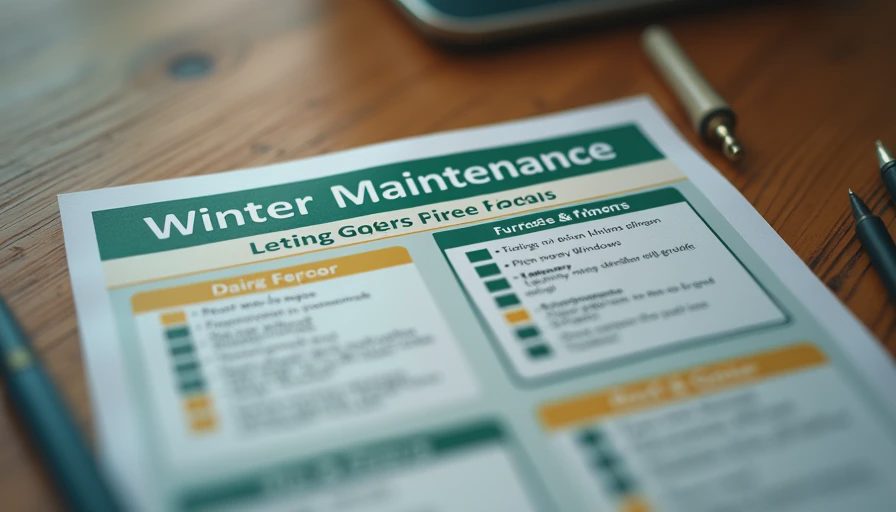
Use this winter home maintenance checklist in three passes. Before the first sustained freeze, inspect the roofline, downspouts, faucets, shutoff valve, exposed pipes, furnace, alarms, attic, and basement. After the first major snow or ice event, walk outside again and look for blocked vents, overflowing gutters, roof-edge ice, and new interior stains. During the middle of winter, repeat the basement and heating checks once a month.
Record what you see with dated photos. A picture of a dry ceiling in November gives you a useful comparison if a stain appears in January. Write down the age of the furnace, water heater, and roof if you know it. Replacement planning is cheaper when it happens on your schedule. An aging furnace that still works may justify a $100 service visit and a savings plan; it does not necessarily justify an emergency replacement tomorrow.
Prioritize findings by consequence. Active water, loss of heat, carbon monoxide alarm problems, exposed frozen plumbing, and structural sagging deserve immediate professional attention. Cosmetic cracks, minor drafts, and a single old stain that has not changed can usually be scheduled without panic.
What Insurance Usually Does Not Fix for You
Preventive maintenance matters because homeowners insurance generally covers sudden, accidental damage, not every loss caused by long-term wear, neglect, or an unresolved leak. Coverage for resulting water damage can depend on the policy and circumstances, but an insurer may question damage that developed gradually while visible warning signs were ignored. Keep receipts for service, inspection notes, and photographs. They create a clear maintenance record and help a claims conversation start with facts.
Case file number 42 involved a toilet supply connection that had been sweating against a wall for months. The homeowner saw the damp baseboard but assumed it was an old spill. By the time the flooring buckled, the subfloor and adjacent cabinet were damaged. The repair approached $8,600. The connection itself was inexpensive. The delay was not.
That is the point of a winter home maintenance checklist: not perfection, and not fear. It is a short system for catching expensive changes while they are still small. If you find active dripping, a strong fuel or burning odor, loss of heat, or a carbon monoxide alarm, leave the repair to a qualified professional and act promptly.
Now go walk your basement, look at the furnace, and check the downspouts. You have ten minutes, and this winter home maintenance checklist can help you spend them where they matter.


No comments yet.