You are standing in the basement after a hard rain. The floor is dry, the walls look normal, and you think the house is fine. I would still spend ten minutes looking around. Foundation repair is rarely a single dramatic event. More often, it starts with a small crack, a clogged gutter, or soil that has pulled away from the wall. I used to write checks for these problems. Now I write about them so you can decide what deserves attention before the bill becomes painful.
The foundation signs I take seriously
Not every crack means the house is failing. Concrete shrinks as it cures, and many homes have hairline cracks that remain unchanged for decades. The useful question is whether the condition is growing, moving, or letting water in.
Look for stair-step cracks in masonry, horizontal cracks in poured concrete, doors that suddenly rub, windows that stick, and floors that feel noticeably sloped. In a basement, check for damp cardboard, white powdery mineral deposits, rust on metal fixtures, and a musty smell after rain. Outside, walk the perimeter. Downspouts should discharge several feet away from the foundation, and the soil should slope away rather than form a bowl around the wall.
A crack narrower than a credit card and unchanged since last season is usually a monitoring issue, not a midnight emergency. A crack that widens, leaks, or runs horizontally deserves a professional evaluation this week. The difference is not cosmetic. Movement can turn a modest foundation repair into structural stabilization costing several thousand dollars.
What foundation repair can cost
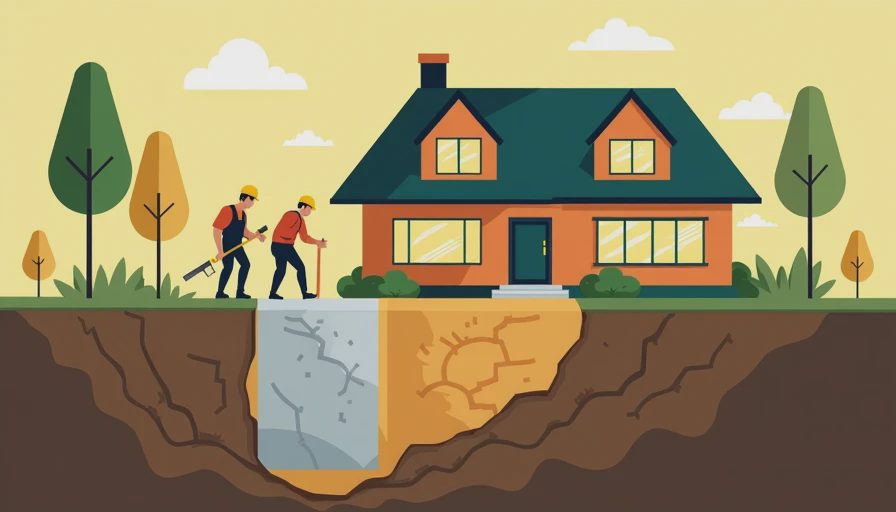
Prices depend heavily on access, soil, drainage, and the actual cause. Sealing a nonstructural interior crack might cost roughly $400 to $1,200. Exterior excavation and waterproofing can run $2,000 to $10,000 or more for a section of wall. A sump pump or drainage improvement may add $1,000 to $4,000, while wall bracing, piers, or underpinning can reach $8,000 to $30,000 on a larger or more complicated home.
Those numbers are not a quote. They are a decision tool. If a contractor recommends $12,000 in work, ask what problem it solves, what evidence shows active movement, and what happens if you wait six months. A good evaluation should identify the water or soil condition first. I get suspicious when someone recommends a large package before looking at gutters, grading, plumbing leaks, and the full basement perimeter.
Case file from my claims years: a homeowner noticed a small wet spot near one corner and placed a storage bin over it. Two years later, damaged drywall, flooring, and stored belongings pushed the loss above $9,000. The foundation itself needed limited work. The expensive part was everything that remained wet.
Drainage usually comes before structural work
Water is not always a foundation problem, but it is often the reason a problem becomes expensive. Gutters overflowing beside the house saturate soil. Saturated soil pushes against basement walls, while drought can make expansive clay soil shrink and leave voids beneath parts of the home. Neither condition is solved by painting over an interior crack.
Start your inspection at the roof edge. Confirm that gutters are not packed with leaves and that downspouts send water away from the wall. Then inspect hose bibs, irrigation lines, air-conditioner condensate, and nearby plumbing. A slow underground leak can mimic settlement and waste thousands in foundation repair if nobody checks the simple sources first.
Do not let a contractor sell drainage as a universal cure, either. If a wall is bowing inward or several areas show active settlement, grading alone will not reverse the movement. Think of it like trail running: you do not treat a twisted ankle by changing your hat. Find the source of the load or water before choosing the remedy.
When insurance helps and when it does not
Homeowners insurance generally covers sudden, accidental damage from covered causes, but ordinary settling, wear, poor maintenance, and many forms of earth movement are commonly excluded. Water entering through a foundation because of groundwater or seepage is also often outside standard coverage. Policies differ, and endorsements can change the answer.
That means a denied claim is not necessarily a surprise or an insurer being difficult. If a pipe suddenly breaks and damages finished basement materials, the resulting water damage may be treated differently from long-term seepage through a crack. Keep photos, inspection reports, plumber invoices, and drainage records. They help establish when a condition began and what you did to prevent worsening damage.
Call your insurance company before authorizing emergency demolition, but do not wait to stop active water if delaying would cause more damage. A contractor can document conditions while the carrier evaluates the claim. Foundation repair itself is often the homeowner's responsibility when the underlying cause is excluded.

How to choose an evaluator
Get at least two opinions when the proposed work exceeds a few thousand dollars. Look for a licensed structural engineer when there is measurable movement, a horizontal wall crack, significant bowing, or disagreement between contractors. An engineer is paid to diagnose the structure; a foundation company is paid to sell and perform a solution. You may need both, but they are not the same role.
Ask each evaluator to explain the evidence in plain language. Are there level measurements? Crack monitors? Soil or drainage observations? Is the recommendation intended to stop water, stabilize movement, or restore appearance? Be wary of guarantees that sound absolute, especially when they are not backed by clear warranty terms and exclusions.
A reasonable proposal should list the affected areas, the work included, drainage changes, permit responsibilities, warranty limits, and payment schedule. Avoid handing over a large deposit for vague foundation repair described only as “fixing settlement.” Specific scope protects you better than a confident sales pitch.
A ten-minute check you can do today
Walk the basement or crawlspace with a flashlight. Photograph every crack from the same distance, place a coin nearby for scale, and write the date. Look for water staining, rust, damp insulation, and fresh mineral deposits. Outside, check whether the soil slopes toward the house, whether downspouts discharge next to the wall, and whether a sprinkler sprays the foundation.
Repeat the walk after the next heavy rain and compare the photos. If nothing changes, schedule the issue with your normal maintenance list. If water appears, the crack grows, or doors and floors change at the same time, arrange an inspection rather than guessing. This simple record can also help separate a stable cosmetic defect from active movement.
The best foundation repair decision is often not “hire the first company” or “ignore the crack.” It is identifying the cause, measuring whether it is active, and spending money in the right order. A ten-minute check today saves a ten-thousand-dollar call tomorrow. Now go walk your basement. You have ten minutes.


No comments yet.