You switch on the air conditioner during the first hot afternoon and hear a click, a hum, then nothing. I used to write checks for this. Now I write about it so you do not need the check. Good air conditioner maintenance is not about making your system last forever; it is about finding small problems before they become a flooded ceiling, a failed compressor, or a $4,000 emergency call.
In claims files, the expensive event was rarely the first warning. A clogged drain line had usually dripped for weeks. A filter had been left unchanged through two seasons. A strange cycling sound had become background noise. A ten-minute check today saves a ten-thousand-dollar call tomorrow.
Why Air Conditioner Maintenance Matters to Your House
Your cooling system removes heat and moisture from indoor air. That moisture normally collects on the evaporator coil and drains through a condensate line. When the drain pan, line, or pump cannot handle the water, the first sign may be a stain on the ceiling below the equipment. By then, drywall, insulation, and paint can all be involved.
Case file from my claims desk: a homeowner noticed a faint brown ring beneath an upstairs mechanical closet and painted over it twice. The third time, the ceiling sagged. The eventual bill was roughly $2,700 for drying, drywall replacement, repainting, and electrical inspection. The air conditioner itself needed only a $180 drain service. That is the difference between maintenance and waiting for evidence.
Air conditioner maintenance also protects comfort and operating cost. A dirty filter restricts airflow, which can make rooms feel warm while the system runs longer. A blocked outdoor coil makes the unit work harder. Neither issue guarantees a dramatic failure, but both are cheap signals that deserve attention.
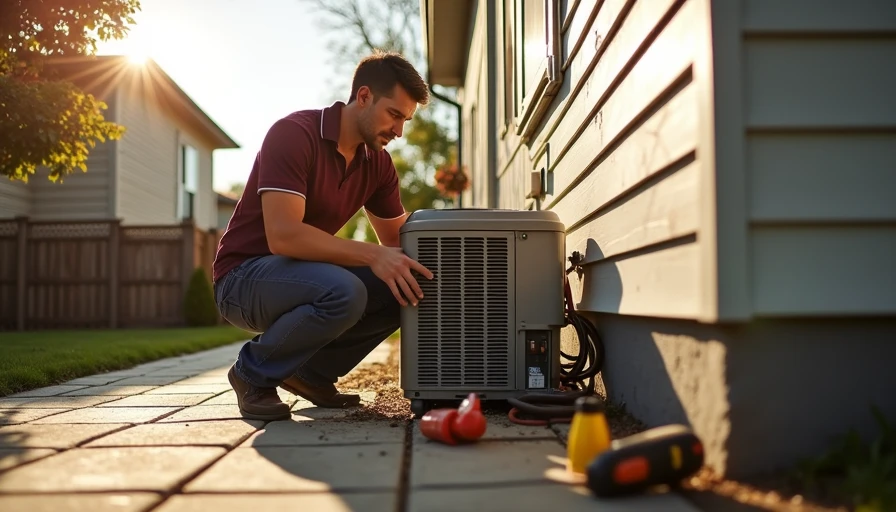
The Ten-Minute Air Conditioner Maintenance Walkthrough
Start at the thermostat. Notice whether the home reaches the selected temperature without long, uninterrupted runs. On a mild day, a system that runs constantly deserves attention; on a very hot afternoon, longer cycles are normal. Write down unusual changes instead of guessing at the cause.
Check the return-air filter. Hold it toward a light. If dust obscures most of the surface, replace it with the correct size and rating. A filter that becomes dirty again within a few weeks can indicate construction dust, excessive indoor dust, or an airflow problem that needs professional evaluation.
Look around the indoor equipment for water marks, rust, damp insulation, or a musty smell. Do not open sealed panels or reach near moving parts. You are looking for evidence, not attempting a repair. Outside, listen for grinding, rattling, or repeated starting and stopping. Keep leaves and stored items away from the unit so air can move freely.
Good air conditioner maintenance includes checking the condensate discharge area. A small amount of clear water during cooling can be normal, but water running across a floor, staining a wall, or collecting near electrical equipment is not something to monitor casually. Shut the system off if water is approaching wiring and call a qualified technician.
Which Warning Signs Need a Professional?
Call promptly when the system repeatedly trips a breaker, blows warm air, freezes over, leaks indoors, or produces a burning smell. A frozen coil is not simply a cosmetic issue. It can result from restricted airflow, low refrigerant, or another fault, and continuing to run the system can worsen the damage.
A technician can measure airflow, inspect electrical connections, test refrigerant performance, clean coils, and confirm that the condensate system drains correctly. Those are different tasks from changing a filter. Annual professional air conditioner maintenance commonly costs about $100 to $250, depending on location and service scope. That is generally easier to budget than a no-cooling emergency during a heat wave.
I used to think every older system should be replaced immediately. Field inspections corrected that assumption. A well-maintained unit that cools evenly and has no major refrigerant or electrical problem can be worth repairing. Replacement becomes more compelling when repair estimates approach several thousand dollars, the compressor fails, or the equipment is near the end of its practical service life.
Do not let a contractor turn a routine visit into a mystery. Ask what failed, what evidence supports the diagnosis, whether the repair protects the rest of the system, and what the repair would cost compared with replacement. Air conditioner maintenance is useful partly because it gives you a baseline before an emergency salesperson arrives.

What Maintenance Costs Compared With Neglect
A basic service visit may include cleaning accessible coils, checking temperature difference, inspecting the drain, tightening electrical connections, and reviewing operating performance. Some companies charge $75 to $150 for a seasonal tune-up; more involved cleaning or repairs can push the visit above $300. The exact price depends on access, equipment condition, and local labor rates.
Compare that with common failure costs. A failed capacitor or contactor may be a few hundred dollars. A blower motor can land around $500 to $1,200. A compressor or major refrigerant leak can run from roughly $1,500 to $4,000 or more. Water damage below an air handler can add several thousand dollars, especially when flooring, insulation, or finished ceilings are affected.
Homeowners insurance is not a maintenance plan. A sudden covered event may be handled differently from gradual deterioration, repeated leakage, or damage caused by neglect. Policies and claim decisions vary, but preventing the leak is usually simpler than arguing over its origin after your ceiling is open.
This is where air conditioner maintenance earns its place on the household calendar. You are not spending money to prevent every possible breakdown. You are paying to find the inexpensive, visible problems that tend to precede expensive ones.
A Simple Seasonal Schedule
In spring, schedule service before the first sustained heat and confirm that the system starts, drains, and cools each living area. Replace or inspect the filter according to the home’s dust level and the filter manufacturer’s guidance. Homes with pets, renovation dust, or allergy concerns often need more frequent attention.
During summer, look at the indoor drain area monthly and listen for changes. Check that the outdoor unit is not buried in grass, leaves, or stored patio items. After a major storm, inspect for obvious damage without touching electrical components.
In fall, clean up leaves around the outdoor unit and record any problem that appeared during the cooling season. That note helps a technician diagnose intermittent issues when the system is not under emergency pressure. If your home has a heat pump, remember that the same outdoor equipment may be important for winter heating too.
The Bottom Line for Homeowners
Air conditioner maintenance is worth doing when it focuses on drainage, airflow, electrical symptoms, noise, and performance. It is not worth paying for vague add-ons that do not address a documented condition. Ask for findings in plain language and keep receipts with your home records.
Today, stand beside the indoor equipment for five minutes. Look for water, rust, stains, and blocked airflow, then check the filter and listen to the next cooling cycle. If anything is new or clearly wrong, book a professional before the hottest week of the year. Now go walk your mechanical closet. You have ten minutes.


No comments yet.