I used to write checks for this. Now I write about it so you do not need the check. Toilet repair usually starts with something easy to dismiss: a faint hiss, a damp base, or a toilet that seems to run for a few seconds after flushing. The fixture still works, so homeowners put it on the weekend list. That list has a way of becoming six months long.
A toilet is not complicated, but it sits directly above flooring, subflooring, and often a finished ceiling below. When a small seal or supply connection fails, the water does not need to flood the room to cause trouble. Repeated moisture can swell wood, loosen flooring, stain drywall, and create conditions for microbial growth. A ten-minute check today saves a ten-thousand-dollar call tomorrow.
The warning signs I take seriously
Start by looking, not by reaching for a wrench. Check the floor around the toilet base after someone has flushed and the area has been dry for several hours. A small bead of water that appears only during a flush points to a different concern than a wet floor that returns while nobody is using the bathroom. Both deserve attention, but the second one should move faster on your calendar.
Listen at night when the house is quiet. A toilet that periodically refills without anyone flushing is losing water through the tank or bowl. The monthly water cost may be modest, but the constant cycling tells you a component is no longer holding pressure as it should. Look inside the tank for mineral buildup, cracked plastic, or a water level that sits unusually high. You do not need to dismantle anything to decide whether a plumber should evaluate it.
The most important threshold is visible water. If the puddle is smaller than a dinner plate, dries completely within four hours, and appears only once, schedule toilet repair soon rather than panicking. If water returns, spreads beyond the fixture, reaches a wall, or appears on the ceiling below, stop treating it as a cosmetic nuisance. Keep people away from the area and call a qualified plumber promptly.
Why the base leak deserves attention
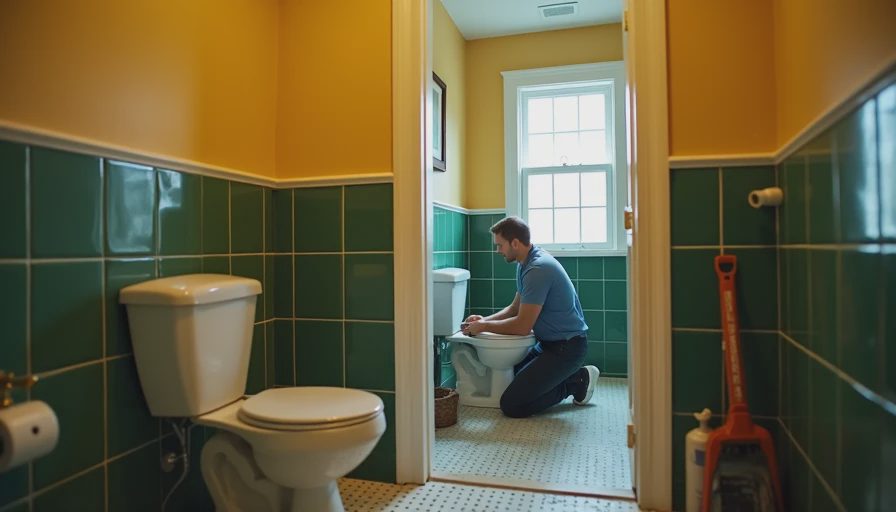
A leak at the base can come from a failed wax ring or another connection beneath the toilet. You cannot reliably judge the condition of that seal by looking at the fixture from across the room. The floor may feel firm while moisture is entering the subfloor around the opening. By the time a soft spot develops, the repair can involve flooring removal, subfloor replacement, and drying equipment.
Case file from my claims days: a family noticed a faint bathroom odor and assumed the toilet needed a better cleaning. Months later, a flooring installer found darkened subfloor around the flange. The eventual bill was about $8,600 because the bathroom sat over a finished room and the moisture had affected the ceiling below. The original toilet repair would likely have been a routine service call. The expensive part was the delay and the finished materials.
This is also where insurance expectations get messy. A sudden, accidental water event may be treated differently from gradual seepage or neglected maintenance, and policies have exclusions and limits. Do not assume insurance will pay for a long-ignored leak. Documentation helps, but prevention is cheaper than arguing about coverage after flooring is removed.
Running, rocking, and cracking: different levels of urgency
A running toilet is usually a water-waste issue first, not an emergency. If the bowl is stable, the tank is intact, and the floor stays dry, arranging service within days or a couple of weeks is reasonable. A professional can identify whether the cause is a worn internal component, mineral buildup, or a tank problem. The decision is less about saving a few dollars on the water bill and more about confirming that no hidden leak is developing.
A toilet that rocks when someone sits down deserves faster attention. Movement puts stress on the floor connection and can turn a minor seal problem into a leak that appears only during use. Do not wedge random objects underneath it or keep tightening hardware indefinitely; those actions can conceal the symptom while damaging the fixture or floor. Schedule toilet repair, particularly if rocking is accompanied by a gap, odor, or dampness.
Cracks change the conversation. A hairline crack in the porcelain tank or bowl can spread without much warning, and a replacement is often more sensible than attempting a cosmetic fix. If the crack is growing, leaking, or located near the bowl base, stop using the toilet until a plumber assesses it. Water damage from a failed porcelain fixture can happen quickly, especially on an upper floor.
When repair beats replacement
Toilet repair makes sense when the porcelain is sound, the fixture is stable, and the problem involves a replaceable seal or internal part. A basic service call commonly falls in the roughly $150 to $350 range, depending on location, timing, and the work required. Emergency or after-hours visits cost more. That is still a manageable expense compared with replacing flooring and drywall after a concealed leak.
Replacement becomes more attractive when the toilet has a cracked tank, repeated failures, poor flushing, or obsolete parts that require several visits. A standard toilet and professional installation might total approximately $300 to $800, while a specialty model can cost more. If the bathroom is already being renovated, replacing an older fixture during the project can avoid paying twice for labor.
I used to assume every older toilet deserved saving because the problem was probably just a small part. Field inspections changed my mind. A toilet that has needed several service calls, rocks on the floor, and uses excessive water is not a bargain simply because the porcelain still looks clean. Compare the next repair cost with the age, condition, and expected reliability of the whole fixture.
What to check after the plumber leaves
After toilet repair, do not judge the result only by whether the flush works. Visit the bathroom later in the day and inspect the base, supply connection, tank, and nearby flooring. Check the room below if the bathroom is upstairs. A dry ceiling and a dry floor are useful evidence that the problem has been addressed, while a returning odor or soft flooring means the investigation is not finished.
Keep the invoice and a short note describing what was found and repaired. If there was water damage, photograph the area before and after drying, and save receipts for professional work. This record is helpful for future maintenance and gives an insurer clearer information if a covered event occurs. It also prevents the next homeowner, contractor, or your future self from guessing what happened.
Seasonal checks are simple. Inspect bathrooms before freezing weather, after long vacations, and whenever a new stain appears below a fixture. Homes with children, elderly occupants, or heavily used guest bathrooms deserve more frequent visual checks because small changes are easier to miss when a room is busy.
The decision you can make today
Walk into each bathroom with a flashlight and spend ten minutes looking for three things: moisture at the base, movement when the toilet is gently tested for stability, and unexplained refilling after a flush. Do not take the fixture apart. Your job is to identify the signal and choose the right response.
Call promptly for toilet repair when water returns, the toilet rocks, an odor persists, or a ceiling below shows a stain. Schedule routine service for a stable toilet that runs or has a minor internal issue. Treat a cracked fixture or spreading leak as a same-day concern. A ten-minute check today saves a ten-thousand-dollar call tomorrow. Now go walk your basement, then check the bathroom above it.


No comments yet.