I used to write checks for this. Thousands of them. In eight years as a property claims adjuster, I saw the same story every October: a homeowner calls because the furnace won't start, and the repair bill lands right before the holidays. Most of those calls had one thing in common — the furnace wasn't broken; it was neglected. So when is a maintenance required on a furnace? The honest answer is once a year, before the cold arrives. The useful answer is more about age, usage, and what you're willing to risk.
The short answer: once a year, before the first freeze
Book the annual checkup in September or early October, before the first overnight freeze. In Denver, that's usually mid-October, and it's exactly when HVAC appointment slots fill up. By November, you're waiting behind everyone who called late.
The one-year cadence comes from the manufacturer. Nearly every furnace warranty requires a documented annual inspection by a qualified technician. Skip the paperwork, and the warranty is void. A $120 tune-up protects a $4,000 investment.
There's a second part to the timing most homeowners miss. When is a maintenance required on a furnace? It's also required when the unit is over 15 years old, even if it ran fine last season. Older furnaces wear differently — heat exchangers, igniters, and inducer motors fatigue from thermal cycling. If you can't remember the last service date, the answer is now.
The claim that changed how I answer this question
I read a claim file that still shapes how I talk about furnace care. A family in the Denver suburbs hadn't serviced their gas furnace in four years. The unit was 17 years old, but it ran, so they ignored it. One December morning, they noticed a faint sweet smell near the bedroom returns. That smell was combustion exhaust backing into the living space. The furnace had a cracked heat exchanger, and carbon monoxide was leaking into the house. No one was seriously hurt, but the repair bill topped $4,700 — and the insurance company declined coverage because the damage was maintenance-related, not accidental.
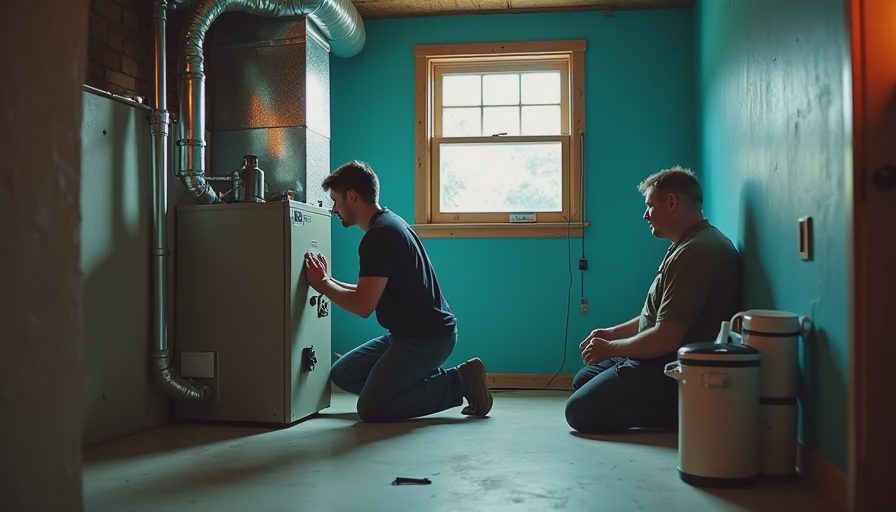
That case is why I take annual tune-ups so seriously. A furnace has no warning light for neglect. The signs — a smell, a high gas bill, a pilot light that won't stay lit — show up after the damage starts.
What actually breaks when you skip the checkup
A furnace degrades in stages, and the cheapest stage is the one you never see. The most common failure I found is a dirty flame sensor. The sensor collects soot, the control board decides the flame is unsafe, and the furnace locks itself out. The fix is a $15 part and fifteen minutes of labor — if you catch it during a tune-up. If you don't, the furnace stops on the coldest night, and you're paying an emergency visit. That's the difference between a $150 maintenance call and a $350 diagnostic that leads to a $600 repair.
The other critical part is the heat exchanger. A crack in it turns a repair decision into a safety emergency. A technician can check it with a combustion analysis and a visual test in two minutes. Ignoring it is the most common way a furnace becomes a health hazard.
The cost of waiting: a tune-up vs. a replacement
Here are the numbers. A standard tune-up runs $80 to $150. A blower motor replacement runs $450 to $850. A new heat exchanger runs $1,500 to $3,000 because it's essentially half the furnace. A complete furnace installation runs $3,800 to $7,500 for a mid-range unit, before ductwork.
When is a maintenance required on a furnace? When the alternative is one of those numbers. If you have a 12-year-old furnace with no service history, the maintenance isn't optional. I once told a homeowner they could pay $120 now or $4,200 in February. They called in January. The blower motor was dead, the heat exchanger was borderline, and the replacement quote was $5,900.
The maintenance schedule that makes sense for a homeowner
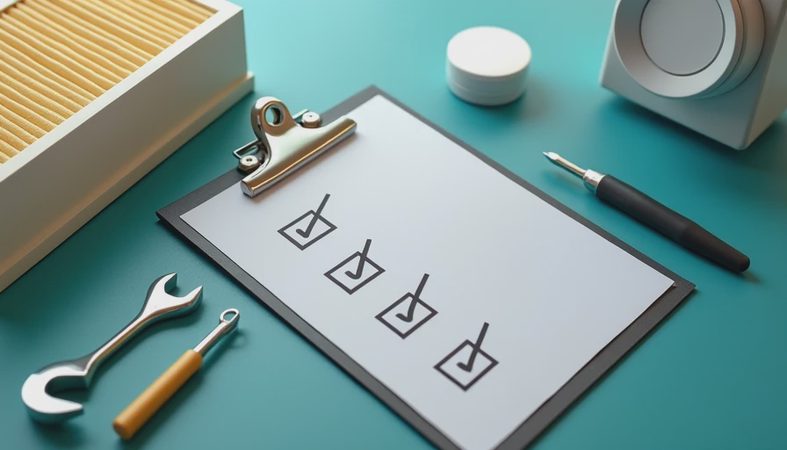
Here's a schedule you can remember. Once a year, before heating season, have a technician do a tune-up that includes a heat exchanger check, a carbon monoxide test, a flame sensor cleaning, a blower motor inspection, and a gas pressure test. That one visit covers the warranty and catches the failures that cause emergencies.
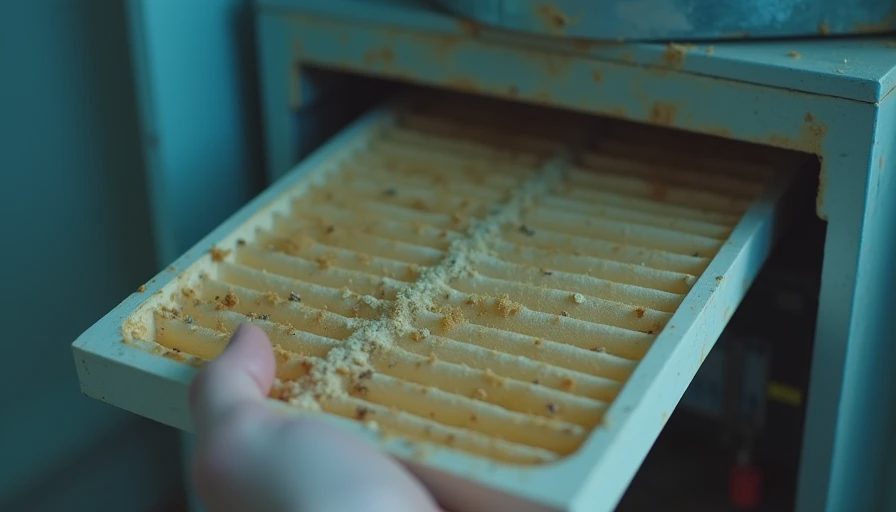
Monthly, do a ten-minute check. Change the filter if it's dirty — a 1-inch filter should be replaced every one to three months. Keep the area around the furnace clear of boxes. And if you hear banging or squealing, call before something locks out. If your furnace has a condensate line, make sure it's draining — a clogged line can shut down the whole system.
The one sign you should never ignore
One warning sign can't wait. If you notice a persistent, faint, oily or sweet smell near the furnace or registers when the heat kicks on, turn off the furnace, open a window, and call a technician that day. Don't try to clean the heat exchanger yourself. Don't wait to see if it goes away. A $100 service visit is nothing compared to a hospital bill or a $4,700 repair that started with a smell.
So, when is a maintenance required on a furnace? Before the first freeze, and before you smell something wrong. Book the checkup now, and take every weird smell seriously. That's the ten-minute check today that saves a ten-thousand-dollar call tomorrow.

No comments yet.