I used to write checks for underground water leaks. As a claims adjuster, I saw the aftermath: a slow leak under a slab foundation that turned into a $12,000 repair. Most homeowners didn't even know there was a problem until the floor buckled. That's why underground leak detection equipment matters. It's the difference between catching a pinhole leak early and living with a sinkhole.
If you have a slab foundation or buried water lines running to a garage or pool house, you need to understand how this equipment works. In this article, I'll cover what's available, what you can do yourself, and when to call a pro.
Why Underground Leaks Are So Costly
A ten-minute check today saves a ten-thousand-dollar call tomorrow. Underground leaks are insidious because they don't announce themselves like a burst pipe in the basement. Instead, you might notice a warm spot on the floor, higher water bills, or foundation cracks. By the time you see water, the damage is already significant.
I remember claim file #108: a family in a 1990s ranch home had a slab leak for at least six months before they noticed. The water bill crept up $30 a month. They thought it was a toilet flapper. When they finally called a plumber, the leak had eroded the soil under the foundation, causing a corner of the house to settle. Total claim: $16,400. A simple leak detection test with underground leak detection equipment could have found it for under $500.
Types of Underground Leak Detection Equipment
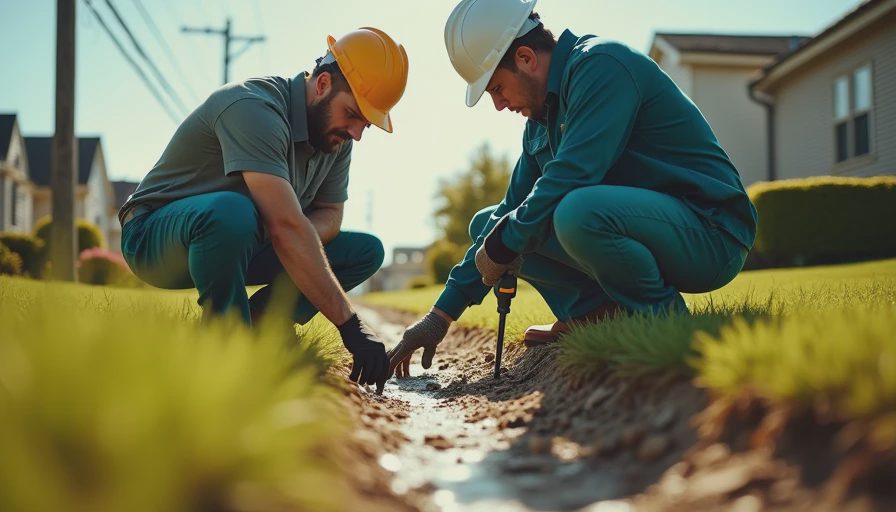
There are several technologies used to locate leaks without digging up the whole yard. The right tool depends on the pipe material, depth, and surrounding soil.
Acoustic Listening Devices
These are the most common. A sensitive microphone placed on the ground or directly on the pipe picks up the sound of water escaping. Plumbers use ground microphones and electronic listening sticks. For DIYers, lower-cost acoustic sensors are available, but they require quiet conditions and practice. I've seen homeowners spend hours chasing false positives from sprinkler systems.
Thermal Imaging Cameras
Infrared cameras can detect temperature differences caused by leaking water. A warm spot on a concrete slab in winter might indicate a hot water pipe leak. But thermal imaging works best when the leak has been running for a while and the temperature contrast is clear. It's less effective for cold water lines in summer. Professional units cost $3,000+, but you can rent them or hire an inspector.
Tracer Gas Detection
This method involves injecting a mix of hydrogen and nitrogen into the pipe. The gas escapes through any leak and rises to the surface, where a sensitive detector finds it. Tracer gas is extremely accurate and works even in paved areas. It's not a DIY method—you need the gas and equipment—but it's worth requesting from a plumber if other methods fail.
Pipe Cameras (CCTV)
A small camera pushed through the pipe lets you see cracks, blockages, and joint failures. This works well for sewer lines but requires access to the pipe interior. For potable water lines, the camera can't run while water is flowing, so it's used after shutting off the line or for drain lines.
When to Use Underground Leak Detection Equipment Yourself vs. Call a Pro
If you suspect a leak between the meter and the house, you can start with simple checks: read the meter, turn off all fixtures, and see if the leak indicator still spins. If it does, the leak is between the meter and the house. At that point, you have a choice.
A basic acoustic listening device can be rented for $50 a day. If you're handy and the soil isn't too deep, you might locate the leak yourself. But be honest about your time and patience. I've seen homeowners dig five holes before finding the right spot. A professional with underground leak detection equipment will typically locate the leak within a few hours and guarantee the accuracy. The service cost—usually $300 to $600—pays for itself in avoided excavation damage.
Here's my threshold: if the leak is under a slab or near a foundation wall, call a pro. If it's in a buried line in the yard with easy access, you might DIY. But remember, you're not just looking for the leak—you also need to fix it. That's often a separate skill.
The Cost of Ignoring a Suspected Leak
Let me save you the premium: this one's worth doing. I've processed dozens of claims where a homeowner knew something was wrong but waited. The difference between a $500 detection service and a $15,000 foundation repair is a few weeks. Consider this: a leak that loses 1 gallon per minute adds about $1,200 to your annual water bill in most areas. Over a year, that's wasted money. But the real cost is structural damage.
One more claim: a 1998 house with a slab leak under the kitchen. The homeowner noticed a warm tile floor in January but thought it was the sun. By August, the kitchen cabinets had shifted, and the countertop cracked. The leak had been running for eight months. Underground leak detection equipment would have fingered the leak in under an hour. The repair bill: $9,800 for jackhammering the slab and repiping. Plus new cabinets.
How to Choose a Leak Detection Service
Not all plumbers or detection companies are equal. When you call, ask these questions:
- Do you own underground leak detection equipment, or do you subcontract it?
- What methods do you use—acoustic, thermal, tracer gas, or all three?
- Do you guarantee the location within a certain radius?
- What's the cost if the leak is in a difficult spot (under slab, in concrete)?
A good company will have multiple tools and will explain their process. Avoid anyone who wants to start digging without first doing a thorough detection.
One Thing You Can Do Today
Walk your basement or crawlspace. Even if it looks dry, touch the floor near the walls. Look for cracks in the foundation that seem new. Check your water meter for movement when no water is running. If you have a slab foundation, note any warm spots on the floor in winter. Most of these checks take ten minutes. If you find anything suspicious, call a leak detection service that uses underground leak detection equipment. That ten-minute check today really can save a ten-thousand-dollar call tomorrow.
Now go walk your basement. You have ten minutes.


No comments yet.