You are standing in the mechanical closet on a cold morning, waiting for the shower to warm up. The unit is quiet, the floor is dry, and everything looks fine. That is exactly when I start thinking about tankless water heater annual maintenance cost, because the bill for ignoring a good-looking system usually shows up later, not today. I used to think these units were almost set-and-forget. Then I watched enough service calls to learn the expensive part is rarely the obvious breakdown; it is the slow mineral buildup, weak flow, and nagging error codes that turn a routine visit into a repair.
What annual service actually covers
A proper annual service on a tankless unit is not just a quick glance at the front panel. A tech is usually checking for scale buildup, looking at the burner and heat exchanger area, reviewing venting and combustion behavior, clearing filters, and making sure condensate and gas connections are behaving the way they should. On gas units, that extra attention matters because poor combustion or venting can reduce efficiency long before a homeowner notices a full failure. In plain English, this is the kind of maintenance that keeps a machine from acting old before its time.
For a house with average water quality, the visit is mostly about prevention and documentation. For a house with hard water, the same visit becomes more valuable because scale does not care that the unit is expensive. It just keeps building. The best way to think about it is like trail running shoes: you can run in them past their useful life, but every mile gets less forgiving.
What drives tankless water heater annual maintenance cost
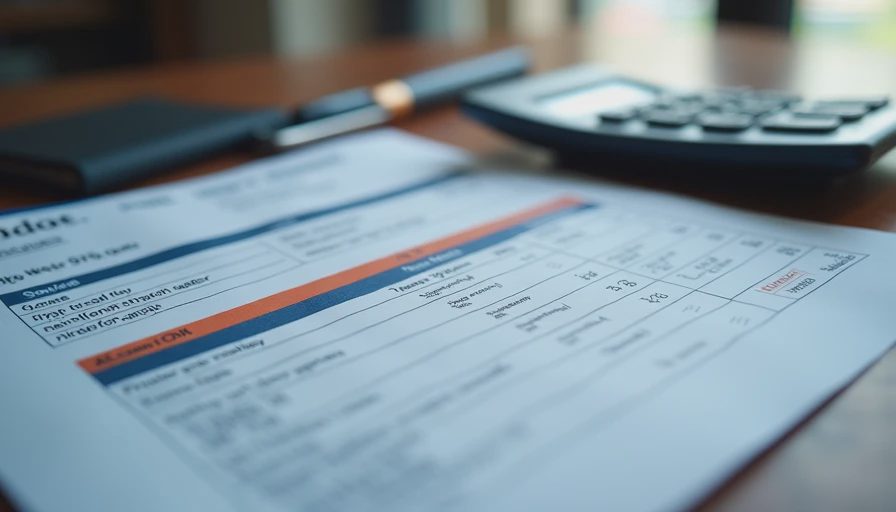
The tankless water heater annual maintenance cost usually lands around $150 to $300 for a straightforward service call in many U.S. markets. In harder-water areas, or when the appointment includes descaling, deeper diagnostics, or a difficult install location, $200 to $400 is more realistic. If you are getting a quote far below that, ask what is actually included. A cheap visit that only resets an error light is not the same thing as a full service.
Several things move the price. Gas units often cost more than electric units because combustion checks take more time and skill. A unit tucked in a tight attic or crawlspace may also cost more simply because access is annoying. Brand matters a little too, mostly because parts and familiarity do. Rinnai, Navien, Rheem, and Noritz are common enough that many plumbers know them well, but a lesser-seen model can add labor time when the tech has to dig for manuals or parts compatibility.

What happens when you skip a year
I have seen homeowners skip service for two or three years and then act surprised when hot water pressure falls off or the unit starts throwing nuisance codes. One suburban case sticks with me: the family had lukewarm water at the far bathroom, then intermittent shutdowns at the kitchen sink. The repair was not a dramatic disaster. It was worse than that. It was expensive enough to sting and ordinary enough to have been avoided. Their final bill landed around $700 for service and parts, while a replacement would have been closer to $3,000 installed.
That is the part people miss. Skipping service rarely creates one giant movie-scene failure. It creates a slow leak in performance, then a repair, then a bigger repair, then a replacement that comes earlier than it should. I used to think annual service was a nice-to-have. Now I think of it the way I think about checking tire pressure before a long drive: the problem is not that the car cannot move. It is that you are burning life off the system every mile.
Tankless versus tank water heater maintenance
If you are comparing tankless water heater annual maintenance cost with a standard tank heater, the tankless side usually costs more to keep up. A traditional tank may only need a periodic flush and a quick inspection, and many homeowners pay less for that visit. But a tank heater is also a different risk profile. A rusting tank can go from annoying to soaked-subfloor territory fast, especially once the bottom starts weeping.
Tankless units tend to cost more per year because the maintenance is more specialized, but they also avoid some of the big-ticket tank failures I saw as a claims adjuster, like a 50-gallon unit quietly dumping water into a finished basement. For most suburban homes, the better question is not which one is cheaper to own on paper. It is which one fits your water quality, household demand, and tolerance for surprise repairs. If your tankless system is working hard in hard water, the annual service is usually money well spent.
When the service is worth the money
The service is usually worth it if your unit is under warranty, if your home has hard water, if the water heater feeds a busy household, or if the previous owner left you no maintenance records. Manufacturers often expect documented care, and a skipped year can turn into a warranty argument at the exact moment you do not want one. That is when tankless water heater annual maintenance cost feels cheap, because you are buying documentation as much as labor.
The number starts to feel questionable when a quote gets close to a third of what the unit cost to install, especially if all you are getting is a basic look-over. In that case, ask what testing is included and whether descaling is part of the visit. If the answer is vague, shop around. A clean, specific quote is usually a good sign that the tech knows these systems and is not padding the invoice with mystery work.
What to ask before you book the visit
When you call, ask whether the service includes descaling, filter cleaning, combustion or venting checks, and a written note on the unit’s condition. You do not need a sermon. You need clarity. A homeowner who can compare a $175 visit with a $325 visit is in a much better position than one who only hears, “It needs maintenance.” If the tech cannot explain why the number is higher, that is a clue.
I like straightforward maintenance spending because it keeps the ugly surprises away from your calendar. A ten-minute check today saves a ten-thousand-dollar call tomorrow, and that is especially true with compact equipment that can run quietly while slowly collecting scale. If you have not looked at the service history on your unit lately, do that today and put the next appointment on the calendar before the season changes.

No comments yet.