How to Check a Circuit Breaker with a Multimeter: A Homeowner's Guide to Safe Diagnosis
You're standing in front of your electrical panel, and that same circuit keeps tripping for the third time this week. Before you call an electrician and spend $150 on a service call, here's how to check a circuit breaker with a multimeter. It's a simple diagnostic step that can tell you whether the breaker itself is failing or if the problem is downstream. I spent years reviewing insurance claims, and I saw plenty of cases where a faulty breaker caused power fluctuations that led to appliance damage or even electrical fires. A ten-minute check today might save you a ten-thousand-dollar claim down the road.
Why Check a Breaker in the First Place?
Breakers don't last forever. They can weaken over time from heat cycles, corrosion, or manufacturing defects. When a breaker begins to fail, it might trip under normal load or even stop tripping when it should—creating a fire hazard. Common signs you need to test include:
- A circuit that trips frequently with no clear cause
- The breaker feels warm to the touch
- You hear a buzzing sound from the panel
- The breaker switch feels loose or won't stay in the ON position
As a claims adjuster, I recall one homeowner who ignored a tripping kitchen circuit for six months. He just reset it every time it popped. Eventually the internal contacts in the breaker welded shut, and the circuit stayed live even when tripped. Fortunately, a neighbor smelled something burning before a fire started. Repair cost? $3,200 for a new panel and rewiring the kitchen—plus a $500 deductible. A simple multimeter check would have caught the problem early.
What You'll Need
To perform this test, you'll need:
- A digital multimeter with AC voltage capability (most can read 120V–240V)
- Safety gloves (rated for electrical work)
- Safety glasses
- A flathead screwdriver (if your panel has older screw-type terminals)
Make sure your multimeter leads are in good condition. No cracked insulation or exposed wire.
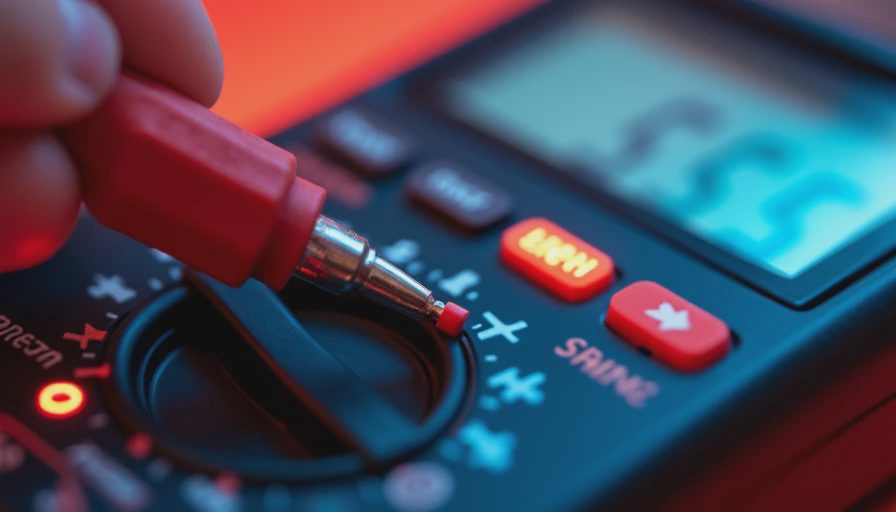
Step-by-Step: How to Check a Circuit Breaker with a Multimeter
Follow these steps carefully. Remember, you are only diagnosing—not repairing. If you feel uncertain at any point, stop and call a licensed electrician.
- Turn off all loads on the circuit you're testing. Unplug devices and switch off lights. This gives you a baseline reading without interference.
- Open the electrical panel cover. Use a screwdriver to remove the cover. Set it aside. The panel is now exposed—be careful, live power exists at the main lugs.
- Set your multimeter to AC voltage. Select a range above 120V—usually 200V or 600V AC.
- Identify the breaker you want to test. In a residential panel, each breaker controls a specific area. Check the label if present.
- Probe the breaker terminals. Place the black lead on the neutral bus bar (the silver bar where white wires connect). Touch the red lead to the screw terminal on the breaker itself. If your breaker has a test port (small slot), you can insert the red probe there instead.
- Read the voltage. For a 120V circuit, you should see 115V to 125V. For a 240V circuit (like a dryer or range), you'll read 220V to 240V between the two hot legs.
What if you get a reading of 0V? The breaker is likely tripped or faulty. Flip it firmly to OFF then back to ON and retest. If you still get 0V, the breaker may be dead.
What the Readings Mean
Now you have a number. Here's how to interpret it:
- 115V–125V (120V circuit): The breaker is working correctly. The problem is likely somewhere downstream—a bad outlet, a shorted appliance, or a loose wire.
- 110V or lower: The breaker is weakening. Internal resistance is higher than it should be. Over time, this can generate heat and eventually fail. I'd recommend replacement by an electrician.
- 130V or higher: This could indicate a problem with the utility supply or a loose neutral. Have an electrician check the panel and the main service.
- 0V when the breaker is ON: The breaker is dead. Replace it immediately.
Here's a decision threshold I use: if the voltage is off by more than 5V from 120V, flag it. A 5V drop isn't a crisis, but it's a warning that the breaker is aging. If it's off by 10V or more, schedule a replacement within the month.
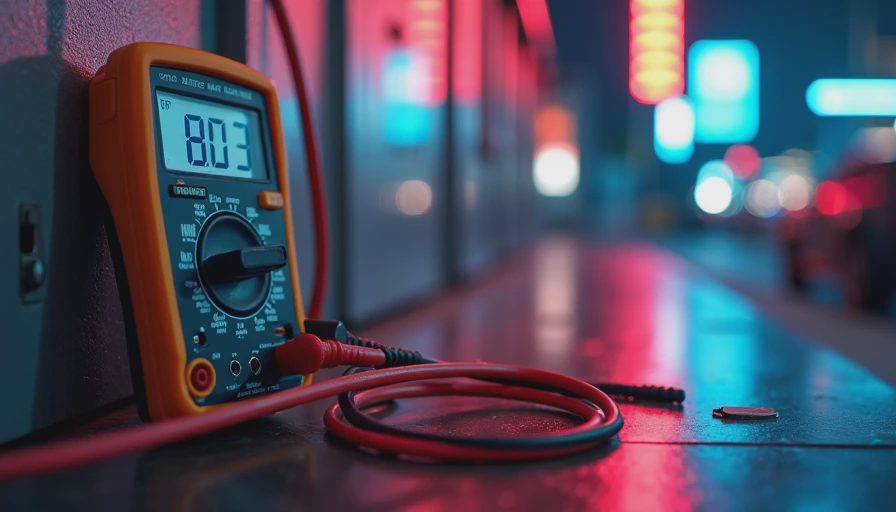
When to Call a Professional
Testing with a multimeter is safe if you follow precautions—but always stay alert. Call an electrician immediately if:
- You see burnt or melted plastic on the breaker or panel
- You smell something burning (even faintly)
- The breaker feels hot to the touch
- You see arcing or sparks
- You're uncomfortable working inside an electrical panel
Insurance claim files are filled with stories of DIYers who pushed too far. One homeowner tried to replace a faulty breaker himself and accidentally crossed a live wire with a screwdriver. He survived, but the arc flash damaged the panel and required a full replacement—$2,500. A $150 electrician visit would have been cheaper.
Final Thought
Knowing how to check a circuit breaker with a multimeter gives you a powerful diagnostic tool. It distinguishes between an appliance problem and an electrical panel problem—saving you from unnecessary service calls or missed hazards. A ten-minute check today saves a ten-thousand-dollar call tomorrow. Now go open your panel and spend ten minutes testing. It could be the most important thing you do this month.


No comments yet.