You are standing in the basement after dinner when the thermostat says 68 and the vents feel like paper. Maybe it is a furnace that will not stay lit, a boiler making a new noise, or a heat pump stuck on backup heat. If you are searching for home heating fix cost, the first number to know is that the bill usually comes from three places: the service call, the actual repair, and the price of waiting too long. I used to write checks for this kind of thing. Now I write about it so you do not need the check later.
What drives home heating fix cost
The biggest driver is not the brand name on the cabinet. It is whether the problem is simple, intermittent, or buried deep in the system. A basic diagnostic visit often lands around $89 to $149 in many markets, and emergency after-hours service can add another $100 to $250 before the repair even starts. A thermostat replacement, sensor swap, or flame safeguard issue can stay in the $150 to $400 range. Once the trouble moves into a blower motor, control board, igniter assembly, or circulator pump, the number climbs fast.
The home heating fix cost rises fastest when the technician has to hunt for an intermittent failure. That is the repair version of trail running in freezing wind: the first mile feels fine, then the problem shows up only when conditions change. Older equipment also costs more because parts get harder to find and labor takes longer. A 20-year-old furnace with a discontinued board is a different bill than a five-year-old unit with a common replacement part.
Homeowners also miss the access charge. A unit tucked in a crawlspace, attic, or cramped mechanical closet takes longer to service, and that time shows up on the invoice. If your system needs specialty parts, same-day sourcing, or a second trip, the total moves again. That is why two homes with the same symptom can end up with very different checks.
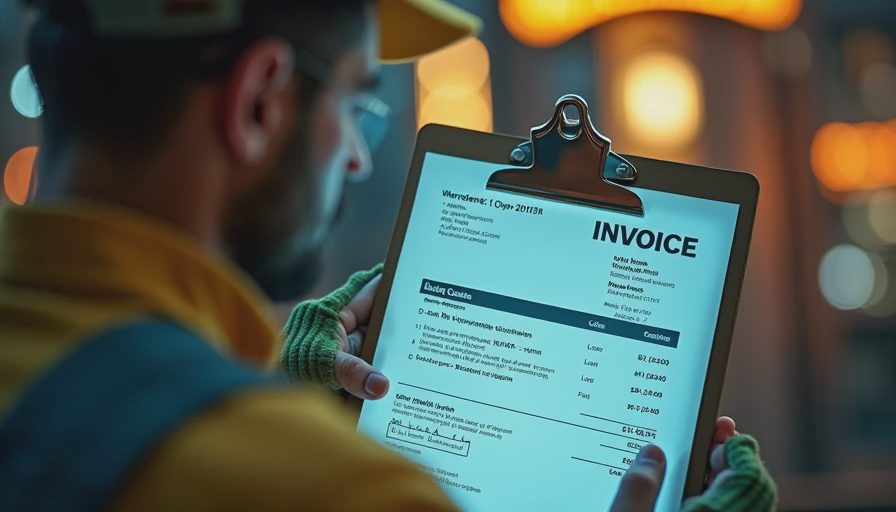
The numbers I actually see in the field
Here is the range I see most often when people ask about home heating fix cost in plain English. A dirty flame sensor, failed thermostat, or minor wiring problem is often a few hundred dollars all in. A blower motor replacement, inducer motor, or control board can land closer to $500 to $1,200 depending on the unit and the market. Boiler repairs often start a little higher because hydronic systems involve pumps, valves, controls, and more labor to diagnose. Heat pump repairs can run anywhere from a couple hundred dollars for a minor electrical issue to well over $1,000 when the outdoor unit or reversing valve is involved.
Case file #214 is the kind of thing I still think about. A homeowner ignored a small puddle under a high-efficiency furnace for weeks because the house was still warm. The condensate line had backed up, the drip pan overflowed, and water reached finished flooring and base trim. The furnace repair itself was around $320. The total damage after the fact was closer to $1,900 once the flooring and drywall were included. That is the real lesson: the equipment bill is often not the biggest bill.
If you want the cheapest path, the goal is not to win a repair lottery. It is to catch the failure before it spreads. A $250 repair feels expensive until you compare it with a cold-night emergency visit, a second service call, or a damaged room under the unit.
When repair is sensible and when replacement makes more sense
A good rule of thumb is to compare the home heating fix cost against the age of the system and the size of the repair. If a furnace is under 10 years old and the fix is under roughly $600, repair usually makes sense. If the unit is 15 to 20 years old and the quote jumps toward $1,000 or more, you are getting into replacement territory, especially if another major part is likely to fail soon.
I am not interested in pushing replacement when a repair is cheap and clean. Let me save you the premium: this one is worth repairing if the house is otherwise in good shape and the heat issue is isolated. But if you are seeing repeated lockouts, short cycling, burning smells, or a pattern of repairs every winter, the system is telling you it is getting tired. Spending $300 three times in one season is how people end up feeling trapped.
Replacement costs are not small, but they give context. A new furnace can run roughly $4,500 to $9,000 or more, depending on efficiency, size, and installation complexity. Boilers and heat pumps can run higher. If your estimate is a third of that and the equipment is old, the repair is not automatically wrong, but it deserves a hard look.
Warning signs that the bill is about to grow
If the heat still works but the system is acting different, do not treat that as a free pass. Short cycling, uneven room temperatures, repeated thermostat resets, a yellow or flickering burner flame, or a circuit breaker that trips once in a while are all signs the repair could be getting bigger. So is a utility bill that jumps without a weather change. That is the mechanical equivalent of a tire slowly going flat. The car still rolls, but the damage is already happening.
The same goes for smells and sounds. A dusty smell at first startup after months of sitting is normal. A sharp electrical odor, metallic rattling, or loud banging is not something to ignore until spring. If the unit keeps running but sounds different, the safest assumption is that a small problem is already putting stress on a larger part.
What to ask before you approve the work
When a tech gives you a quote, ask what part failed, whether the estimate includes labor and diagnostic time, and whether the part is common or special order. That one question can separate a $280 same-day fix from a $950 repair that needs a second visit. Ask whether the rest of the system shows wear too. If the answer is yes, you need to know whether you are paying for a single failure or buying a little more time.
This is also where home heating fix cost gets confusing for first-time homeowners. The cheapest quote is not always the best one if it leaves the root issue untouched. But the priciest quote is not always the smartest either. I have seen homeowners spend $700 on a part that did not solve an airflow problem because the filter, duct restriction, or oversized unit was the real issue. A good technician should be able to explain the failure in normal language, not just hand you a number and a shrug.
Insurance, timing, and the practical cutoff
Most home policies do not pay to fix a worn-out furnace, boiler, or heat pump because wear and tear is not a covered loss. Where insurance can matter is when a sudden failure causes water damage, smoke damage, or another covered result. The equipment itself is usually your bill; the mess it creates might be a different conversation. That is why waiting can turn a manageable repair into a claim with drywall, flooring, or contents on top.
If the system still heats and the symptom is minor, you can sometimes wait a little. If the house is losing heat, the breaker keeps tripping, or you see water where it should not be, do not stretch it through a whole cold snap. The home heating fix cost is almost always cheaper before the failure spreads.
Here is the move for today: walk to the furnace, boiler, or heat pump, look for water, rust, loose wiring, or odd noises, and write down what you see before the next cold night. A ten-minute check today saves a ten-thousand-dollar call tomorrow.


No comments yet.