You are standing in the basement, listening to the furnace start. It hums, clicks, and pushes warm air through the house, so you assume everything is fine. I used to write checks for furnace-related claims. Now I write about them so you do not need the check. Furnace maintenance is not about making a twenty-year-old system look new. It is about finding the small warning that becomes a $3,000 emergency on the coldest night of the year.
Most homeowners do not need a technician every time the furnace makes a sound. They do need a sensible inspection rhythm. A quick look in early fall, followed by professional service when the system shows symptoms or has gone years without attention, is usually a better use of money than replacing parts on suspicion. A ten-minute check today saves a ten-thousand-dollar call tomorrow.
Why Furnace Maintenance Is Worth the Money
The useful question is not whether service costs $100 to $250. The question is what that appointment can prevent. A standard visit may include checking burners, electrical connections, the blower, safety controls, venting, combustion operation, and airflow. Pricing depends on location and system type, but that range is common for a straightforward annual visit.
The expensive failures I saw were rarely dramatic at first. One homeowner had a furnace that short-cycled several times an hour. The family kept turning up the thermostat because the house felt uneven. The eventual repair involved a failed control component and a damaged heat exchanger inspection, costing well over $1,000. In another case, a blocked vent connector caused soot around the furnace and required urgent evaluation, ventilation work, and temporary relocation for the household. The furnace itself was not the only cost.
Furnace maintenance also helps control energy waste. A clogged filter, restricted return, dirty blower, or failing sensor can make the system run longer to deliver the same heat. That does not automatically mean your utility bill will drop by a specific percentage, but a furnace working against poor airflow is spending more time doing less work. That is a condition worth correcting.
The Warning Signs I Take Seriously
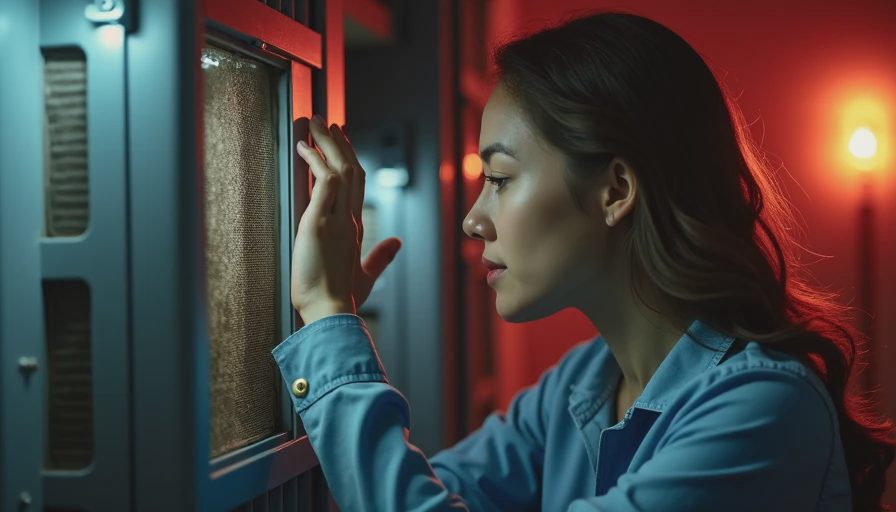
Start with the smell. A brief dusty odor when the furnace first runs after summer is common. A persistent burning smell, strong exhaust odor, or repeated smell of gas deserves attention. Do not ignore a carbon monoxide alarm, either. Leave the home and contact emergency services or the appropriate utility provider if the alarm sounds; do not wait for a routine appointment.
Next, listen. A normal startup can include a click, ignition, and blower ramp-up. Repeated booming, scraping, squealing, rattling, or delayed ignition is different. I once inspected a home where the owner described a “little bang” as normal. It was happening every morning and had become part of the household soundtrack. It was not normal, and the technician found a combustion problem that needed prompt correction.
Watch the temperature pattern. Rooms that never warm, vents with weak airflow, frequent cycling, or a thermostat that cannot hold the setting all provide useful clues. A single cold room might be a duct-balancing issue or an insulation problem. Several rooms changing at once points more strongly toward equipment or airflow trouble. Furnace maintenance is most valuable when it follows these observations instead of treating a checklist as proof that everything is safe.
What You Can Check Without Taking the Furnace Apart
You can inspect the area around the furnace without opening combustion compartments or attempting repairs. Keep boxes, paint, stored clothing, and cleaning chemicals away from the cabinet. A clear zone gives a technician room to work and reduces the chance that stored material gets damaged by heat. Never use the furnace room as a general storage closet.
Look at the filter and note its size, condition, and replacement date. A filter coated with dust is a reason to investigate airflow and household conditions, not a reason to install the most restrictive filter available. Some systems need frequent changes; others do not. The right interval depends on the filter, home, pets, renovation dust, and system design.
Check visible venting for separation, corrosion, staining, or an unusual gap. Do not tape, seal, or reposition anything you are not qualified to handle. Take a clear photo and ask a licensed HVAC professional to evaluate it. Also look for water near the furnace, especially if the system includes air conditioning equipment or a high-efficiency condensate drain. A small puddle that returns after operation is a service call, not a towel problem.
The Claim and Replacement Perspective
Homeowners insurance generally does not pay for a furnace that wears out, lacks maintenance, or fails because of age. Policies are designed for covered causes of loss, not predictable mechanical deterioration. If a furnace failure damages other property through a covered event, the circumstances can become more complicated, but do not count on insurance to fund routine replacement.
That is why maintenance belongs in the household budget. A basic repair might run $200 to $600. Larger electrical, blower, ignition, or control repairs can reach $800 to $1,500. Replacement commonly runs several thousand dollars, with costs influenced by efficiency, capacity, venting, access, labor, and local requirements. The cheapest bid is not automatically the best value if it ignores sizing or leaves venting concerns unresolved.
Furnace maintenance can also help you make a calmer replacement decision. If your system is 15 to 20 years old and a major part fails, ask for both a repair estimate and a replacement proposal. Compare the repair cost, remaining life, warranty, expected efficiency, and likelihood of another major failure. Spending $500 on a reasonable repair can make sense; spending $2,000 to revive a severely corroded system may not.
When to Schedule Service
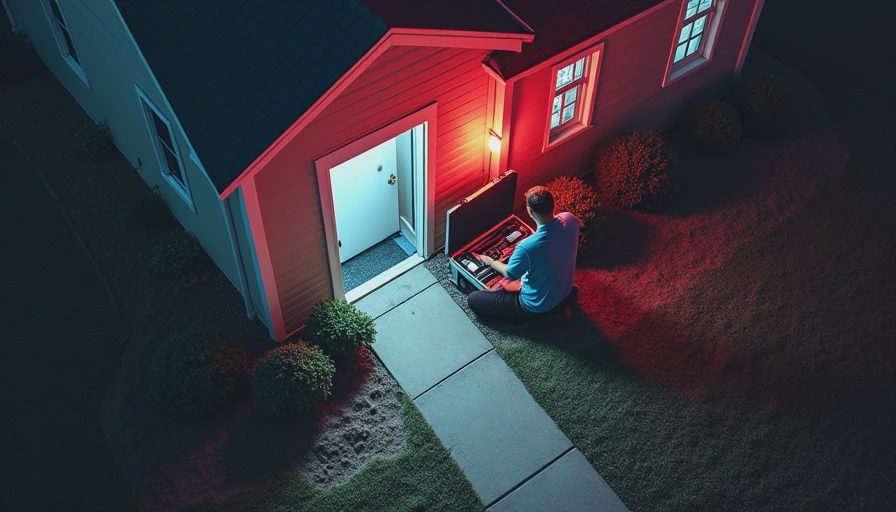
Schedule professional furnace maintenance before the first serious cold spell, particularly if the furnace has been noisy, cycling unusually, or left unused for more than a year. Fall is popular because technicians are available before demand peaks, but a system showing warning signs should not wait for a convenient season.
If you recently bought the home, ask for service records rather than assuming the previous owner maintained the equipment. A missing record is not proof of neglect, but it is a reason to treat the furnace as an unknown. Have the technician document the model, approximate age, visible condition, safety testing, and recommendations. That report gives you a baseline for future decisions.
Do not let a sales pitch turn routine furnace maintenance into unnecessary replacement. Ask what failed, how the condition was tested, what happens if you wait, and whether the recommendation is a safety issue or an efficiency upgrade. A trustworthy professional can explain the difference between urgent correction and optional improvement.
A Ten-Minute Furnace Check for Today
Stand near the furnace while it runs and notice the startup sequence, sound, smell, and airflow. Confirm that the filter is not overdue, the surrounding area is clear, and no water or rust-colored residue is appearing. Walk through the house and identify rooms that stay cold or vents that barely move air. Write down anything that changed from last winter.
Then make the decision based on evidence. A clean-running system with steady airflow and no unusual sounds can usually wait for its planned service appointment. A furnace with repeated bangs, exhaust odors, carbon monoxide alarms, water, severe corrosion, or unreliable heat deserves prompt professional attention. Do not open sealed compartments or attempt gas, electrical, combustion, or venting repairs yourself.
Furnace maintenance is not glamorous, and it will not make a good dinner conversation. It is more like checking a smoker before a long cook: a small inspection prevents you from discovering a problem when the temperature matters most. Put the service date on your calendar, keep the report, and now go walk your basement. You have ten minutes.


No comments yet.