You're standing in the garage after a hard rain, the slab is dry, and the house seems fine. That is exactly when a free house inspection can be useful. I used to write checks for small misses that turned into big claims. A slow drip under a sink, a flashing issue around a vent, a water heater with rust at the base: none of those look dramatic on day one, but they are the kind of details that turn into $3,000 to $12,000 problems if nobody bothers to look. The trick is knowing what a no-cost visit really buys you, and what it does not.
What a no-cost visit usually covers
A free house inspection is usually not a full home inspection. It is more often a visual look at one area: a roof after a storm, a crawlspace with a smell, an HVAC unit that keeps shutting off, or a seller walk-through from a real estate agent. In some markets, roofers, pest control companies, and water-damage contractors offer free looks because they want the repair work. That does not make the visit worthless. It just means you need to understand the lane.
A full home inspection for a typical single-family house often runs $350 to $600, with extra fees for radon, sewer scopes, or larger homes. If your question is narrow, the no-cost version can be enough. If you need a whole-house baseline before buying, selling, or inheriting a property, the paid version usually earns its keep. I used to think any inspection was better than none. After enough claim files, I learned the difference between a flashlight tour and a real report can be thousands of dollars.
When free makes sense
A free house inspection makes sense when you already have one problem in mind. Maybe you saw a stain on the ceiling, the AC is short-cycling, or a branch skimmed the roof in a windstorm. It also makes sense before you invite three contractors out. One good look can tell you whether you are dealing with a $150 maintenance item or a $5,000 project. That matters when you are deciding whether to spend this month’s cash or wait until spring.
It is less useful when you need leverage in a home purchase or a full picture of the house. A buyer who skips a paid inspection to save a few hundred dollars is the same person who later pays for a surprise sewer line or a deck repair no one mentioned. I saw that exact pattern in claims more than once. The homeowner felt smart for saving the fee, then got a bill that made the inspection look cheap.

The hidden cost of a weak report
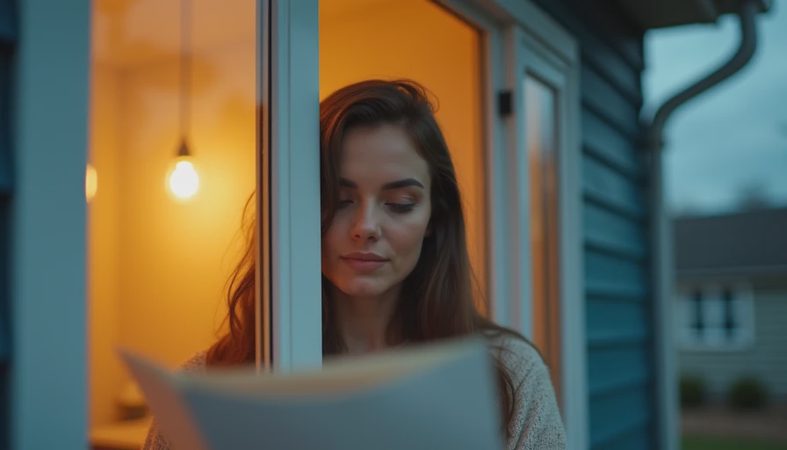
The hidden cost of a free house inspection is not always money; sometimes it is attention. A salesperson can tell you everything looks fine while skipping the one thing that matters. I saw a case where a homeowner got a no-cost roof look after hail. No one mentioned the lifted shingles around a plumbing boot. Six months later, the ceiling stain had gone from dinner-plate size to a full drywall and paint job. The final bill landed near $8,600, and the roof claim came with a deductible headache.
That is why I tell people to treat a free visit like a first filter, not a final answer. If the inspector gives you photos, notes, and a clear explanation of what they did not check, that is useful. If they give you only a smile and a pitch, you did not get much. A good no-cost look should point you toward risk. A bad one gives you confidence you did not earn. The difference feels small on the day of the visit and expensive six months later.
How to use a no-cost visit without getting sold
A free house inspection works best when you keep it narrow. You want a clear question and a clear answer. Ask what areas are included, whether the visit is visual only, and whether you will get photos or a written summary. If someone says the attic, roof, plumbing, and electrical all look perfect in ten minutes, be skeptical. That is not inspection language; that is sales language.
Think of it like a trail run lap. You are not trying to run the whole mountain in one pass. You are checking the section with loose rock before you commit. The same idea applies here. If the roof is 18 years old, you want to know that. If the water heater is original and showing rust at the base, you want that noted. If the crawlspace has prior moisture marks but no active dripping, that changes the urgency. A free house inspection is strongest when it ends with a short list and a decision, not a hard pitch for a maintenance plan you never asked for.
If you have two free visits and one paid inspection, compare the detail, not the promise. The cheaper visit might be enough for a single roof leak, but it will not map out everything else the house is trying to tell you. In a 20-year-old suburban house, I would rather have one solid report and one contractor quote than three vague reassurances. That is not me selling the paid option; it is me telling you where the hidden costs usually live.

My rule of thumb from the claim file
Here is the rule I give friends and neighbors. If the issue is isolated, dry, and not spreading, a no-cost visit is a decent first step. If there is active moisture, sagging, repeated breaker trips, or a roof leak that shows up twice, treat the free house inspection as a starting line, not a finish line. One visit tells you whether the problem is real. A paid specialist tells you how deep it goes.
My old claims spreadsheet is full of homes where the first clue was small: a warped baseboard, a musty closet, a gutter overflow, a cracked hose bib line. Those cases did not become expensive overnight. They became expensive because the first warning got ignored. I used to write this off as homeowner bad luck. Now I see it as delay. The house sends signals early, and the bill arrives later.
What to do today
If you want a free house inspection, use it to get a fast read, not a false sense of security. Bring one question, ask for notes, and compare the answer against the age and condition of the home. If the result points to a bigger issue, spend the money on the right follow-up instead of guessing. A ten-minute check today saves a ten-thousand-dollar call tomorrow. Now go walk your basement. You have ten minutes.

No comments yet.